








The Keynote High: A Masterclass in Hype
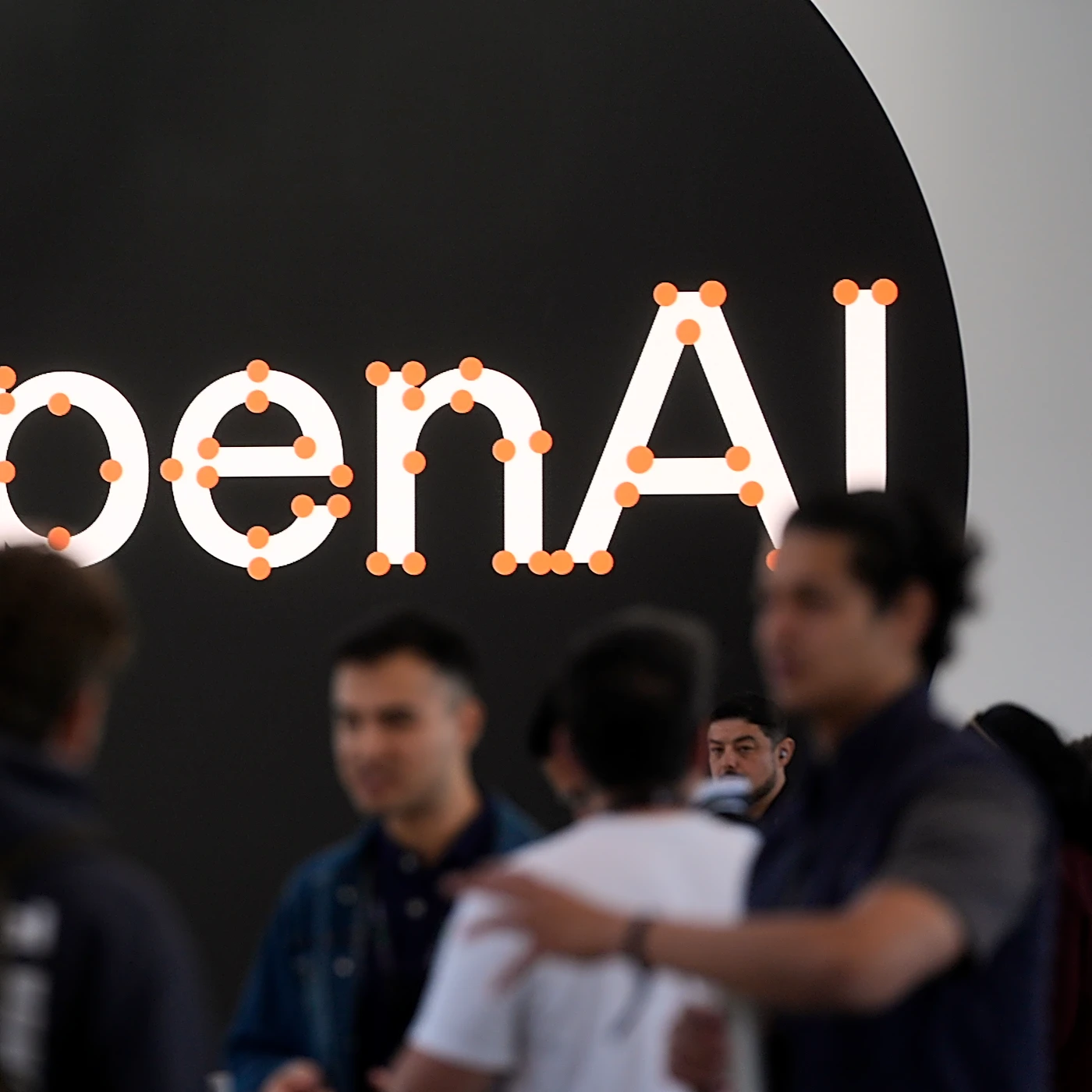
Every year, it’s the same exhilarating story. A charismatic CEO takes the stage under dramatic lighting, promising to change the world. We see perfectly curated demos of new AI models, agentic frameworks, and developer tools that seem to solve every problem
we’ve ever had. The message is clear: the revolution is here, and it's available via an API call. For a moment, it feels like all our complex, messy projects are about to get ten times easier. This excitement isn't entirely misplaced; these events often showcase genuine innovation and signal the industry's future direction. But the polished presentation is a highlight reel, not the full picture.
Reality Check: The 'Developer Preview' Disclaimer
After the hype fades, developers dig into the documentation and find the magic words: 'alpha,' 'beta,' or 'limited preview.' These labels are critical. They mean the feature is not intended for production systems that serve real users. An 'alpha' release is often for internal testing and is expected to be buggy and incomplete. A 'beta' release is more stable but is still a test, opened to a wider audience to find real-world flaws before the official launch. Using these early-stage APIs in a live application is a gamble. They can—and do—have breaking changes, poor documentation, and performance issues that make them unsuitable for anything your customers depend on. They are for experimentation, not deployment.
The Long Road to General Availability
The journey from a DevDay announcement to a production-ready tool is a marathon, not a sprint. The typical software release lifecycle is a deliberate, multi-stage process designed to ensure stability and reliability. It starts with 'pre-alpha' during initial development, moves to 'alpha' for internal testing, and then to 'beta' for external feedback. After the beta phase, there's often a 'Release Candidate' (RC) stage, which is a version deemed potentially final. Only after the RC proves stable does the feature achieve 'General Availability' (GA)—the industry term for 'ready for production.' Skipping these stages is how unstable releases happen. The DevDay announcement is the groundbreaking ceremony, not the freeway opening.
The Ecosystem Gap: A Tool Is Not a Solution
Even when a new API is technically 'stable,' it doesn't exist in a vacuum. A truly production-ready solution requires a mature ecosystem. This includes comprehensive documentation, official SDKs (Software Development Kits), tutorials, and community support. It also means that the surrounding tools—from testing frameworks to monitoring services—need time to adapt and integrate with the new feature. An API without clear documentation or community examples is like a powerful engine with no instruction manual. Furthermore, until a feature is widely adopted, finding experienced developers or getting help with niche problems can be incredibly difficult.
How to Navigate the Hype Cycle Intelligently
So, what's a developer to do? The key is 'informed enthusiasm.' Treat DevDay announcements as a roadmap for the next 6 to 18 months, not a to-do list for tomorrow. Verify claims and check the release status before changing your workflow. Use the 'developer preview' period for its intended purpose: learning and experimentation. Build a prototype or a side project with the new tool to understand its strengths and weaknesses. Engage with the developer community to see what issues others are encountering. Wait for the 'General Availability' label and for the initial wave of bug-fix patches to pass before even considering integrating a new technology into a critical production system. The goal isn't to be the first to use it, but to use it right.