


The $19 Billion Answer: WhatsApp
The largest acquisition in Meta's history—back when it was still called Facebook—was its 2014 purchase of the mobile messaging service WhatsApp. The initial price tag was a staggering $19 billion, a figure comprised of cash, company stock, and restricted
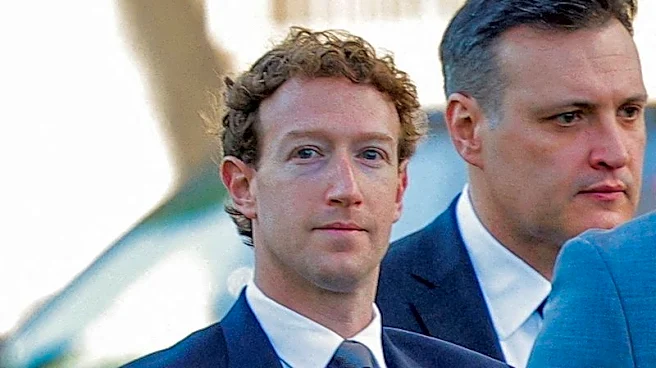
stock units for employees. By the time the deal officially closed later that year, the rising value of Facebook’s stock had pushed the final cost to nearly $22 billion. To put that number in perspective, $19 billion was more than the market capitalization of corporate giants like American Airlines or Marriott International at the time. The media and Wall Street were stunned. Facebook was paying this fortune for a company with just 55 employees and a simple, ad-free app that charged users a mere $1 per year after the first year. The move was widely questioned, with many analysts wondering if Mark Zuckerberg had lost his mind.
What Exactly Did Facebook Buy?
On the surface, WhatsApp was a simple product. It allowed users to send texts, photos, and videos over the internet, bypassing traditional SMS fees. It was clean, fast, reliable, and, most importantly, had no ads. Its founders, Jan Koum and Brian Acton, were famously anti-advertising and prioritized user experience above all else. This philosophy resonated globally. At the time of the acquisition announcement, WhatsApp had amassed over 450 million monthly active users and was adding a million more each day. Its growth trajectory was steeper than any social app in history, including Facebook itself. What Facebook bought wasn't just an app; it was a phenomenon. It was the dominant communication tool in massive, fast-growing markets across Europe, Latin America, and India—areas where Facebook’s own Messenger service had failed to gain the same level of traction. They bought a direct line to hundreds of millions of users who were spending huge amounts of their digital lives inside this one, simple application. They were buying the future of mobile communication.
The Strategy Behind the Spending
Zuckerberg’s rationale was both offensive and defensive. Offensively, he saw WhatsApp as a service on a clear path to one billion users, a milestone he believed made any service “incredibly valuable.” It was a vehicle to capture the “next billion users” in emerging economies. Just two years after buying Instagram to dominate photo sharing, he was buying WhatsApp to conquer mobile messaging, creating a portfolio of essential internet services. Defensively, the move was even more critical. In the early 2010s, Facebook was desperately trying to pivot from a desktop-first company to a mobile-first one. WhatsApp wasn't just a competitor; it was a potential “Facebook killer” that was capturing the very user engagement Facebook needed to survive on mobile. Had a rival like Google acquired WhatsApp, it could have posed an existential threat. By buying it, Facebook not only gained a massive asset but also neutralized its most significant global competitor in the messaging space in one decisive move.
A Decade Later: The Payoff
Today, the acquisition is widely considered a masterstroke. The initial $1 subscription fee was dropped, and WhatsApp has continued its explosive growth, now serving over two billion users worldwide. It has become a foundational pillar of Meta’s global empire, alongside Facebook and Instagram. While the founders famously left the company over disagreements about monetization and privacy, Meta has slowly and carefully begun to generate revenue from the app. The primary vehicle for this is WhatsApp Business, which allows companies to communicate directly with customers for service and sales. This turns the platform into a commercial hub without cluttering personal chats with banner ads. New features like payment systems, channels, and AI-powered tools are also being integrated, transforming the once-simple app into a multi-faceted utility. The $19 billion bet wasn't just on a messaging app; it was on securing a fundamental part of daily life for billions of people, a bet that has paid off handsomely.