



Web 1.0: The Digital Encyclopedia
Remember the early internet of the 1990s and early 2000s? That was Web 1.0. Think of it as a giant, digital library filled with static, 'read-only' documents. It was a one-way street for information. A small number of creators built websites, and the rest
of us were just consumers of that content. These early sites were like digital brochures; you could look, but you couldn't really touch. Examples include the first corporate websites, personal homepages on services like GeoCities, and early news portals that were updated manually. Interaction was minimal, usually limited to sending an email or clicking a hyperlink. The experience was revolutionary for its time, granting access to information on a global scale, but it wasn't a conversation.
Web 2.0: The Rise of the User
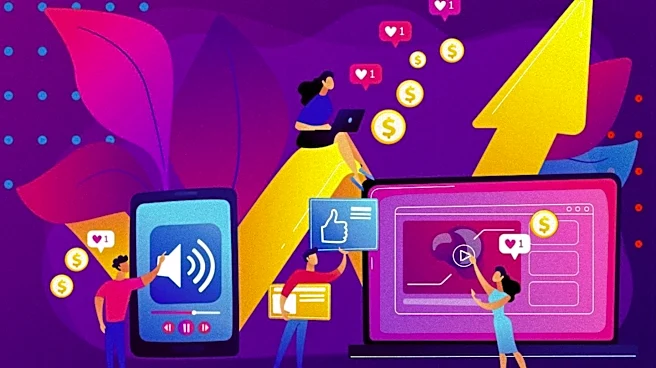
Starting around the mid-2000s, the internet became a two-way street. This is Web 2.0, the 'read-write' web, and it's the version most of us know intimately today. The paradigm shifted from consuming information to actively creating it. This era gave us social media giants like Facebook, YouTube, and Twitter, along with blogging platforms and review sites like Yelp. Suddenly, anyone with an internet connection could be a publisher, a critic, or a star. The business model was simple: platforms provided a 'free' service in exchange for our content and data, which they then monetized through advertising. In the world of Web 2.0, if you're not paying for the product, you are the product. This centralization of data in the hands of a few major companies has led to widespread concerns about privacy, censorship, and data ownership.
Web 3.0: A Web You Might Actually Own
Enter Web 3.0, the emerging 'read-write-own' phase of the internet. This next evolution is built on the principles of decentralization, aiming to shift power away from big tech corporations and back to individual users. Instead of your data being stored on a company's centralized server, Web 3.0 uses technologies like blockchain to create distributed networks. This means you can have true ownership of your digital assets, identity, and data. The most visible examples today are cryptocurrencies and NFTs, which are unique digital assets recorded on a blockchain. But the vision extends much further, to decentralized applications (dApps), social networks, and storage systems that aren't controlled by any single entity. For instance, instead of a platform like OnlyFans being able to ban content, a decentralized alternative would give that power to the community. This phase is still in its early, experimental stages, facing challenges with usability and scalability.
Why This Evolution Matters to You
These aren't just technical terms; they represent a fundamental shift in power and control online. The transition from Web 1.0 to Web 2.0 changed us from passive readers into active creators, building massive communities and economies in the process. The software we use reflects this: Instagram and TikTok are quintessential Web 2.0 platforms that thrive on user-generated content. The move toward Web 3.0 is a direct response to the problems of Web 2.0—namely, data exploitation and centralized control. A Web3 browser like Brave blocks trackers by default, while a Web2 browser like Chrome is deeply integrated with an advertising ecosystem. A Web3 game might let you own and sell your in-game items as NFTs, whereas in a Web2 game, those items are locked to your account and can disappear if the company shuts down the server. Understanding this evolution helps you see the trade-offs you're making every time you log on.