





Not Your Average Tech Launch
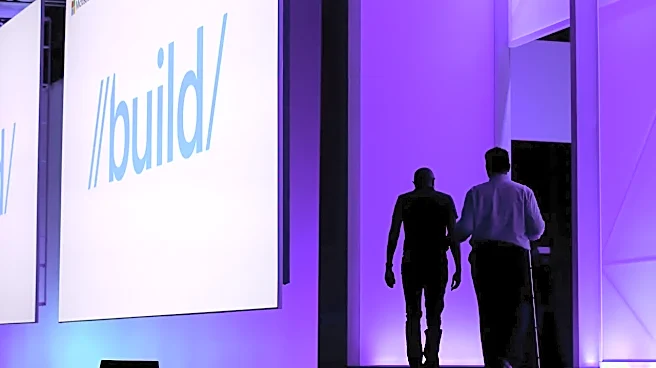
First, it’s important to understand what Ignite is—and what it isn’t. Unlike the company's Build conference for developers or splashy Surface hardware events, Ignite is aimed squarely at IT professionals and enterprise decision-makers. These are the people
who manage fleets of thousands of computers for major corporations. The sessions are deep, technical, and focused on things like security, large-scale deployment, and manageability. You won’t see celebrities on stage. What you will see is the blueprint for how Microsoft's biggest and most important customers will use its technology, and that priority inevitably shapes the version of Windows that lands on your home PC.
From the Enterprise to Your Desktop
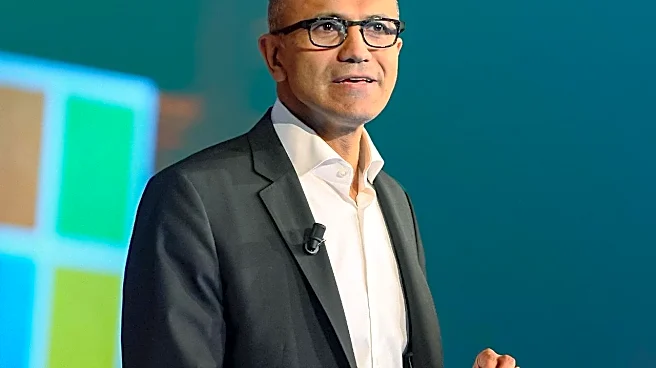
Microsoft's strategy, especially under CEO Satya Nadella, has been heavily focused on its enterprise and cloud customers, which account for the majority of its revenue. This 'enterprise-first' approach means that features built for big business often trickle down to the consumer version of Windows. Think about security enhancements, virtualization, and even productivity tools. Many of these began as solutions for corporate clients who needed to manage complex networks and protect sensitive data. Over time, as those technologies become more refined and affordable, they appear in Windows Home and Pro. Ignite is where these enterprise-grade features first break cover. Following the conference gives you a preview of the concepts that might be mainstream in a year or two.
This Year’s Signals: AI Agents and Cloud PCs
The most recent Ignite conferences have been dominated by one topic: artificial intelligence. Specifically, Microsoft is pushing the idea of 'AI agents'—specialized versions of its Copilot assistant that can perform complex, multi-step tasks autonomously. At Ignite, Microsoft demonstrates how these agents will integrate into business workflows, but the implications for Windows are huge. Last year, the company previewed AI agents appearing directly on the Windows taskbar, capable of managing files and settings. While some of those specific features haven't shipped yet, the direction is clear: a future where Windows is less a static operating system and more of an intelligent 'canvas for AI'. Similarly, heavy discussion around Windows 365 and 'Cloud PCs' at Ignite points to a long-term vision where your Windows experience is streamed from the cloud, accessible on any device.
Reading Between the Lines
Following Ignite isn't just about watching the main keynotes. The real clues are often buried in the technical breakout sessions and documentation released during the event. For example, a session on a new security framework called Microsoft Execution Containers (MXC) might sound obscure, but it reveals how the company plans to safely run those powerful AI agents on your machine. A deep dive into Microsoft Entra might focus on corporate identity management, but it signals how you'll one day prove your identity to an AI assistant. Ignite is the place to watch for Microsoft's core priorities. It reveals the foundational technologies the company is investing billions in, from cloud infrastructure with Azure to AI models. And because Windows is the vehicle that delivers these technologies to hundreds of millions of users, its future is inextricably linked to the strategic bets announced at Ignite.