






The Ghost of 'Glassholes' Past
Announced in 2012, Google Glass was supposed to be the future. It promised a hands-free life where information floated in your field of vision. In reality, it was a social and commercial disaster. The term "Glasshole" entered the lexicon to describe its
wearers, who were viewed with suspicion. The device's built-in camera sparked intense privacy fears, with people uncomfortable with the idea of being secretly recorded. Beyond the social stigma, the product itself was half-baked. It had a clunky design, abysmal battery life, an unclear purpose for the average consumer, and a sky-high price tag. It wasn't fashionable, its voice commands struggled with background noise, and it didn't even fold for easy storage. By 2015, the consumer version was dead, becoming a textbook example of a product that lacked market fit.
The Silent Evolution in Our Pockets and Ears
While smart glasses faded into obscurity, wearable technology quietly conquered the mainstream through other forms. The Apple Watch and countless fitness trackers made wrist-worn computers normal. Apple's AirPods turned wireless earbuds into a ubiquitous accessory. This slow normalization of wearing technology was crucial; it laid the cultural groundwork for a second attempt at face-worn tech. Simultaneously, a revolution was happening in artificial intelligence. AI models became exponentially more powerful and efficient, capable of understanding and generating human-like language and interpreting the world through images and sound. This convergence of smaller, socially acceptable hardware and vastly smarter AI created the perfect conditions for a comeback.
A New Wave of Screenless Gadgets
The first signs of this new era arrived not as glasses, but as lapel pins and pocket devices. Products like the Humane AI Pin and the Rabbit R1 aimed to free us from our smartphone screens, offering voice-first access to powerful AI assistants. Their vision was compelling: a world of "ambient computing" where technology assists you without demanding your constant visual attention. However, the execution was widely panned. Reviews cited poor performance, short battery life, and a failure to deliver on their ambitious promises, with one prominent reviewer calling the Humane AI Pin "the worst product I have ever reviewed." The Humane AI Pin was even discontinued in early 2025. Despite the rocky start, these devices proved there was an appetite for a new kind of personal computing.
Meta's Big Bet at Connect 2026
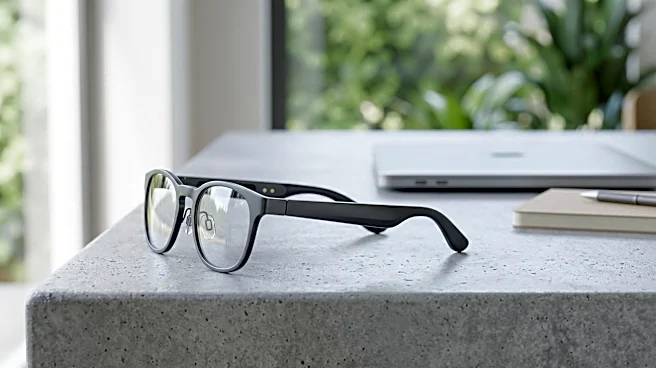
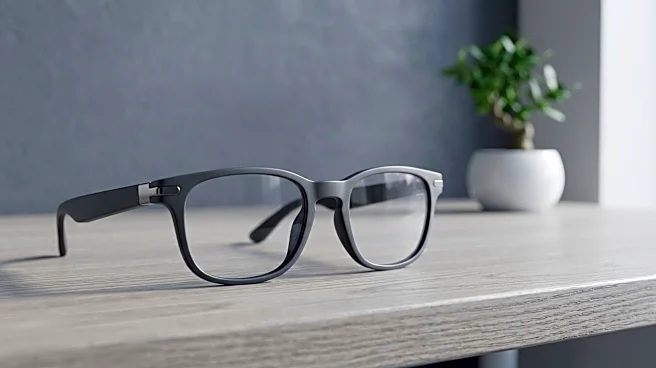
This brings us to Meta Connect 2026, the company's annual showcase for its vision of the future. After testing the waters with its Ray-Ban camera glasses, Meta appears to be going all-in on wearable AI. Leaks ahead of the September 23-24 event suggest the company will unveil a new generation of smart glasses, potentially with a key change: no camera. According to reports, a new model codenamed "Luna" will ditch the controversial camera in favor of an array of microphones to let users talk directly to Meta's AI. This strategic pivot directly addresses the privacy concerns that doomed Google Glass. By focusing on audio-based AI interaction, Meta is betting that usefulness can finally outweigh the creepiness factor, creating a device that looks like normal eyewear but acts as your personal assistant.