






The Early Seeds: Gaming and Surface
Microsoft's journey into custom chip design didn't begin with the cloud or AI; it started with a desire to win the living room. For the Xbox, creating custom silicon was a strategic necessity to eke out every last drop of gaming performance and create
a console that could compete with Sony's PlayStation. This was Microsoft’s first real taste of co-designing hardware and software for a specific experience. Later, with the Surface line of tablets and laptops, the goal was different. It was about chasing Apple's integrated hardware-software magic. While early Surface devices still relied heavily on partners like Intel and Qualcomm, the ambition was clear: to gain tighter control over performance and battery life, proving that Microsoft could, in fact, build a complete machine. These early forays were important but remained niche projects within the colossal company.
The Cloud Changes Everything
The true turning point for Microsoft’s silicon ambition wasn't a consumer gadget but the explosive growth of its Azure cloud computing platform. Running data centers at a planetary scale revealed a stark financial reality: a massive, ever-growing portion of costs went to buying server processors from vendors like Intel and AMD. Meanwhile, rival Amazon Web Services (AWS) had a head start, acquiring a chip designer in 2015 and launching its own power-efficient Graviton processors. This move proved that custom chips could drastically lower operating costs. For Microsoft, the writing was on the wall. Relying on off-the-shelf parts was no longer just expensive; it was a competitive vulnerability. This led to the development of the Azure Cobalt CPU, an ARM-based processor designed to run general cloud services more efficiently and reduce dependence on third-party suppliers.
AI Forces the High-Stakes Gamble
If the cloud lit the fire, the artificial intelligence boom poured jet fuel on it. The sudden, voracious demand for AI, driven by large language models like those from partner OpenAI, required immense computational power, almost all of which was provided by Nvidia's graphics processing units (GPUs). Tech giants found themselves in a costly and precarious position, dependent on a single supplier for the most critical component of the AI revolution. This existential threat forced Microsoft to go all-in. The company launched its own family of custom AI accelerators, named 'Maia'. Unlike general-purpose GPUs, Maia chips are Application-Specific Integrated Circuits (ASICs), designed specifically for the 'inference' part of AI—the task of running a trained model to generate answers. This specialization promises huge gains in efficiency, measured in 'tokens per watt,' which is the new benchmark for AI performance.
The Billions on the Line
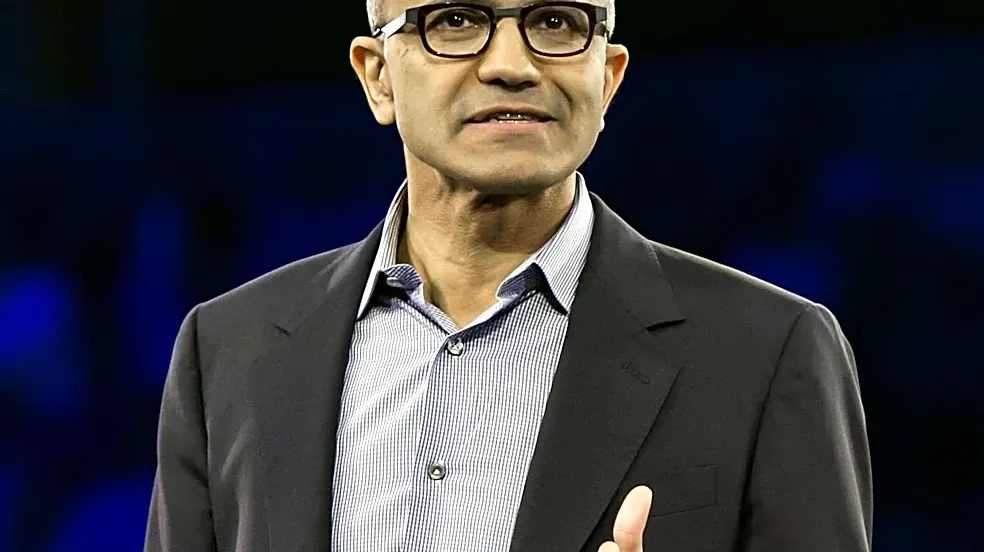
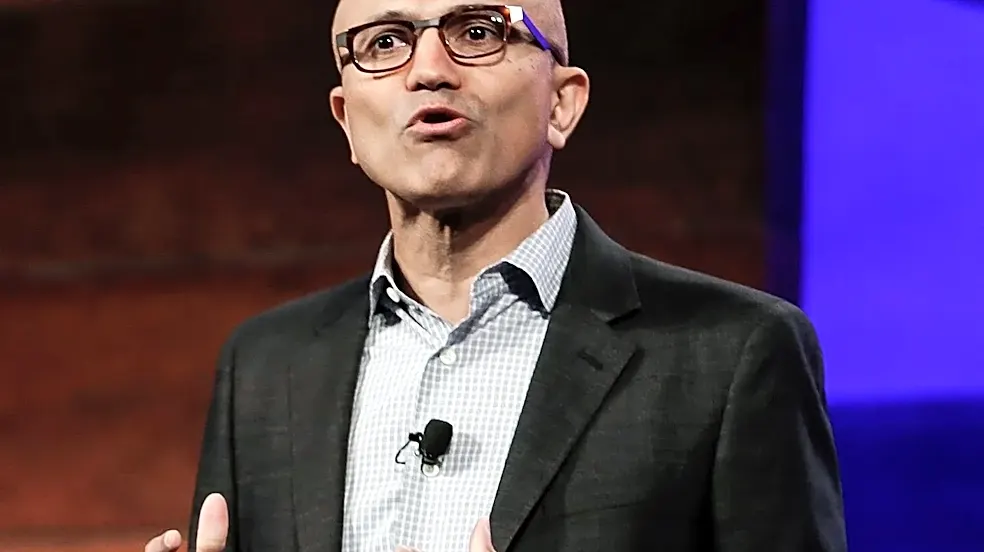
Microsoft’s bet on custom silicon is a financial gamble of staggering proportions. The company is spending billions on designing these chips and re-architecting its data centers around them. However, the potential payoff is even greater. By breaking free from Nvidia's pricing power, Microsoft can protect its profit margins as AI usage soars. Recent announcements reveal the scale of this ambition. The third-generation Maia 300 chip, slated for large-scale deployment in 2027, is claimed to be 40% more power-efficient than leading GPU systems. CEO Satya Nadella called it the company's 'biggest bet yet on our own silicon'. While Microsoft will still buy massive amounts of chips from Nvidia, particularly for training AI models, its own silicon will become the primary engine for inference. This move is not just about cost savings; it's about owning the entire stack, from the foundational chip to the AI-powered software, creating an optimized ecosystem that competitors will find difficult to match.