







The AI in Your Pocket, Not the Cloud
The biggest change the Pixel 11 proposes isn't a flashy new feature, but a philosophical one. For the most part, the AI assistants we use today—Siri, Alexa, and even the current Google Assistant—are glorified messengers. You ask a question, and your phone
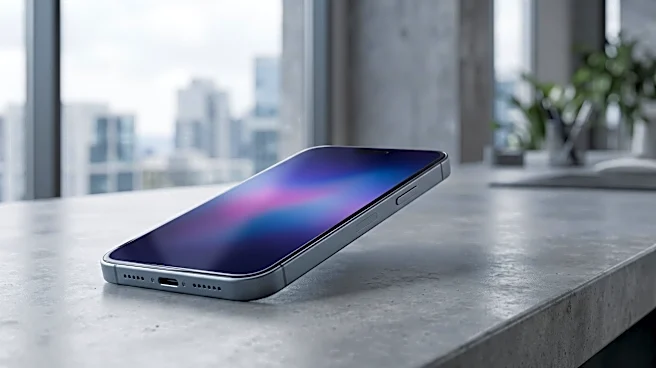
sends that query to a massive data center hundreds of miles away. An answer is computed in the cloud and sent back. The Pixel 11, powered by its new Tensor G6 chip, is built to do more of that thinking right on the device. This is a crucial distinction. On-device processing means your interactions can be faster and, more importantly, happen without an internet connection. Imagine your phone transcribing a meeting in real-time or sorting your photos by complex criteria, all in airplane mode. This shift also represents a massive win for privacy. When your personal data stays on your phone, it’s not being sent to a company server, which is a powerful counter-argument to Apple’s long-held privacy advantage.
An Assistant That's Actually Proactive
Google's vision for AI is moving from being reactive to being proactive, or 'agentic'. Instead of waiting for you to ask a question, the goal is for the phone to anticipate your needs. The new 'Gemini Intelligence' framework, which is at the heart of the Pixel 11, is designed to make this a reality. Features like 'Magic Capture' in the camera app, which automatically analyzes a short video to pull out the best still photos, are a prime example. You don't have to scrub through a video to find the perfect moment; the phone does it for you. More profound examples are starting to emerge. Google has begun rolling out an experimental feature called 'Call For Me', where the Gemini assistant can make routine phone calls on your behalf—like booking a reservation or checking if an item is in stock at a local store. You can monitor a live transcript and jump in at any time, but it handles the hold music and the basic conversation for you. This is AI moving beyond simple commands and into the realm of a true digital assistant that manages tasks.
It's the Chip, Stupid
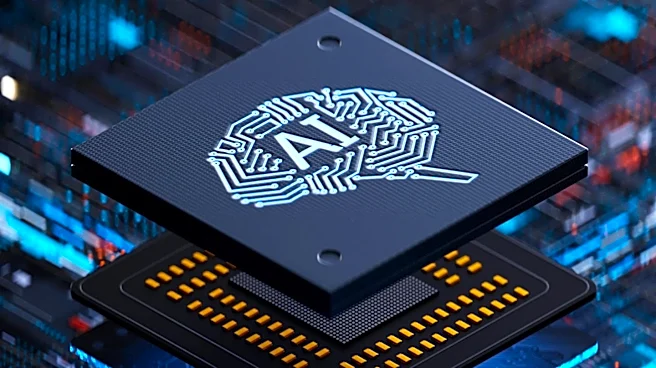
This leap forward is only possible because Google designs its own processors. While competitors like Apple focus their chipsets on raw performance for gaming and demanding apps, Google’s Tensor chips have always prioritized machine learning and AI processing. Early benchmarks show the Tensor G6 in the Pixel 11 may not top the charts in pure CPU or graphics speed compared to the latest iPhone or high-end Snapdragon chips. However, its strength lies in the specialized components built to run AI models efficiently. This is a strategic trade-off. Google is betting that for most users, having an AI that can instantly summarize a long email thread or seamlessly translate a conversation is more valuable than having the highest possible frame rate in a game. The Tensor G6, combined with 12GB of RAM, is tailored to run a powerful version of Google's Gemini AI model directly on the handset, a feat that requires immense, specialized processing power.
The Real-World Impact
So, what does this all mean for the average American phone user? It means an end to the frustrating experience of your voice assistant being useless without a signal. It points to a future where your phone doesn't just hold your information but helps you manage it. Imagine an AI that can organize your chaotic calendar, suggest replies to complex group chats, or even create a custom itinerary for a trip based on your emails and past searches, all done securely on your device. While other phones boast AI features, they are often refinements of existing ideas. The Pixel 11 represents a concerted push to make AI the central pillar of the smartphone experience, not just another app or feature. The phone is no longer just a window to the internet; it’s becoming an intelligent partner that actively helps you navigate your digital and physical world. This is the change Google is betting on, and it could prove to be the most significant shift in personal computing in years.