








More Than Just Models: Building an Ecosystem
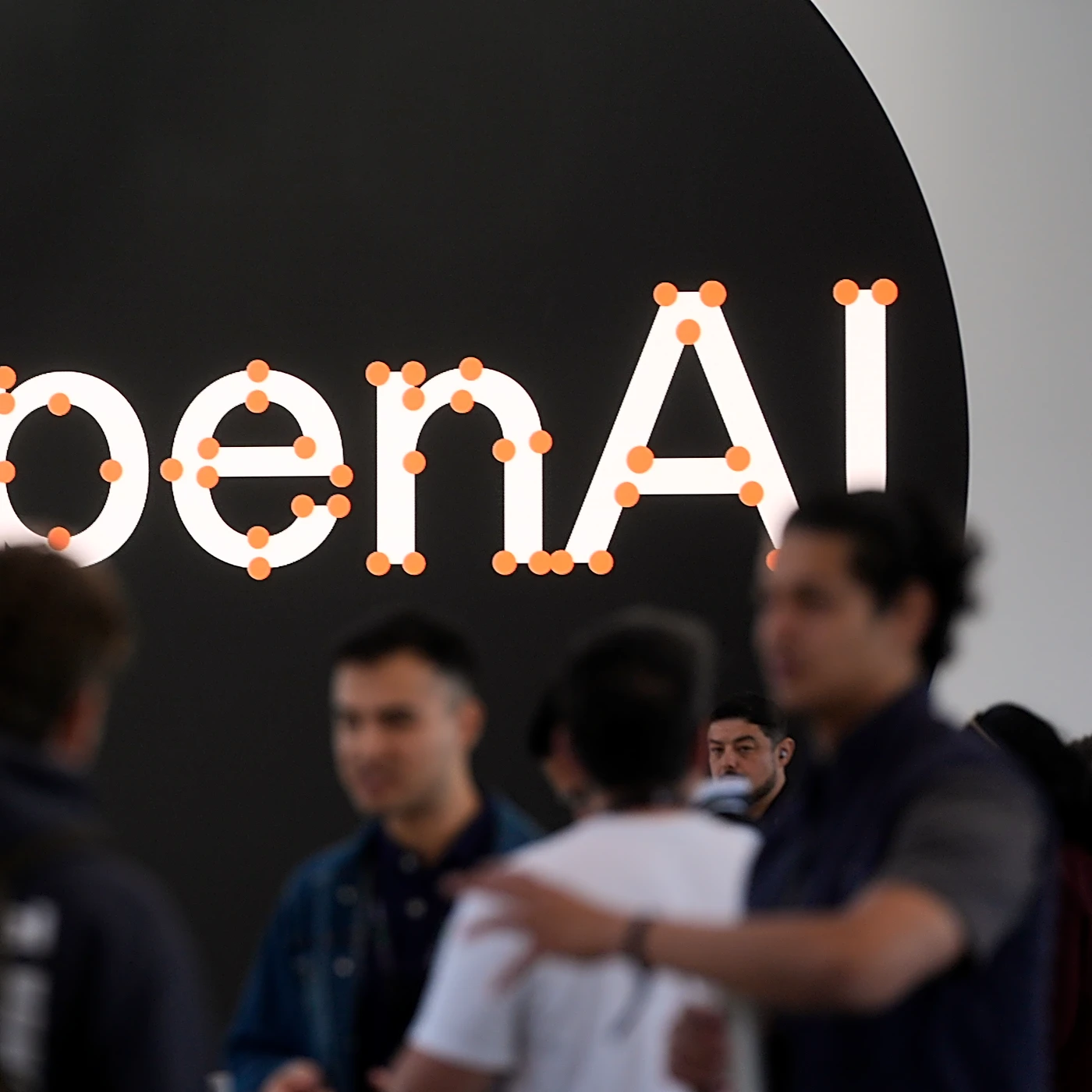
The biggest takeaway from OpenAI's recent developer conference wasn't just a more powerful model. It was the relentless focus on building a world developers can't afford to leave. Think of the introduction and expansion of custom GPTs and the GPT Store.
This isn't just a feature; it's an 'App Store moment' for artificial intelligence. By allowing anyone to create and share specialized AI agents, OpenAI is building a moat. The goal is to create a vibrant ecosystem where the most useful and inventive AI tools live exclusively on its platform. This strategy mirrors the one that made Apple's iOS and Google's Android so dominant: attract developers, who build great apps, which in turn attract users, creating a cycle that’s incredibly difficult for competitors to break.
The Battlefront of Price and Performance
In a platform war, attracting developers often comes down to two things: performance and price. Every DevDay features major announcements on this front. For instance, the introduction of more powerful models like GPT-6.1 Sol at a fraction of the cost of previous flagship models is a direct shot across the bow at competitors like Google's Gemini and Anthropic's Claude. When OpenAI dramatically cuts API prices and boosts token generation speeds, it's not just a technical update; it's a strategic move to make its platform the default choice for startups and large companies alike. This aggressive pricing commoditizes the underlying intelligence, forcing rivals to either match prices and sacrifice margins or risk being priced out of the market for many common use cases.
The Push Into the Enterprise
While ChatGPT captured the public's imagination, the real money is in serving big businesses. OpenAI's strategy is increasingly focused on winning the enterprise. This involves rolling out features designed for corporate clients, such as enhanced security, data privacy controls, and tools for building internal-only AI agents. The creation of collaborative environments like 'ChatGPT Space' and integrations with workplace tools like Slack and Microsoft Teams show a clear ambition: to embed OpenAI's technology directly into the daily workflows of millions of employees. This isn't just about selling a product; it's about becoming the foundational intelligence layer for business itself, a lucrative position that pits OpenAI directly against giants like Microsoft and Google, who have long-standing enterprise relationships.
From Chatbot to 'Agent': The Final Frontier
Perhaps the most forward-looking aspect of OpenAI's strategy is the shift from simple, conversational AI to autonomous 'agents'. The introduction of APIs designed to help developers build agent-like experiences—AI that can operate tools, run code, and execute multi-step tasks independently—is a glimpse into the future. The goal is to create AI that doesn't just answer your questions but actively completes jobs on your behalf. This is the ultimate prize in the platform war: controlling the 'intent layer' of the economy, where a user simply states a goal and an AI agent handles all the steps to achieve it. This vision transforms the platform from a tool you use into a partner that works for you, a fundamental shift that every major player, from Google to Anthropic, is racing to perfect.