






It’s Less About Burglars, More About Lifestyle
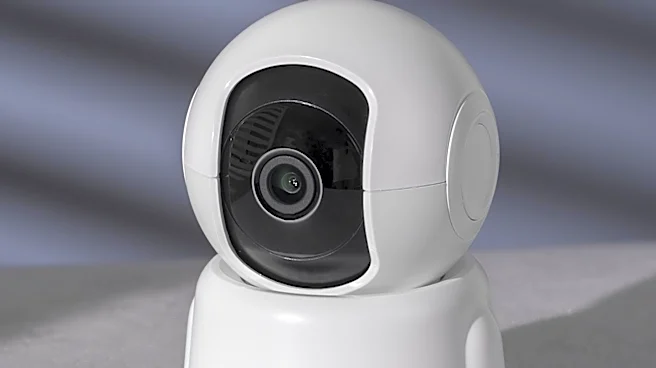
The biggest surprise for many new users is that the system quickly becomes less about catching cat burglars and more about everyday life management. Modern systems with smart cameras and doorbell cams are used more often to confirm a package was delivered,
check if the kids got home from school, see what the dog is up to, or even grant access to a house sitter remotely. While crime deterrence is the main selling point, the day-to-day value often comes from these smaller, more mundane interactions that blend security with simple convenience. The peace of mind extends beyond worst-case scenarios and into the rhythm of your daily routine.
The False Alarm Is a Rite of Passage
You will, at some point, trigger a false alarm. It’s practically inevitable. Maybe you forget the code, a pet sets off a motion sensor, or a guest opens a door without realizing the system is armed. Research has shown that a staggering 90% to 99% of alarm calls to police are false alarms. This isn't just a minor annoyance; it can be costly. Many municipalities now charge hefty fines for repeated false alarms to discourage the waste of emergency resources. First-time users are often surprised by the need to fine-tune motion sensor sensitivity, replace sensor batteries to prevent malfunctions, and diligently train anyone who enters their home on the proper procedures.
The Hidden and Ongoing Costs
The price on the box is rarely the final price. First-time users are often caught off guard by the recurring costs. Professional monitoring services, which provide 24/7 oversight and dispatch emergency services, come with monthly fees. If your system has cameras, you'll likely need to pay for a cloud storage subscription to save and review video clips. Even with DIY systems, there are costs for replacing batteries in sensors, potential software update fees, and the eventual need to upgrade aging hardware. Some companies offer "free" equipment, but the cost is often baked into a more expensive, long-term monitoring contract.
The Privacy Question Gets Real, Fast
The abstract idea of privacy becomes very concrete when you install cameras inside your own home. Suddenly, you have to decide where they go and what they see. Placing them in common areas is generally acceptable, but bedrooms and bathrooms are legal and ethical no-go zones. The bigger surprise is the psychological adjustment. You become aware of a digital eye in your living space. This raises questions about who has access to the footage, especially with cloud-stored data. Protecting your system from hackers with strong passwords and two-factor authentication becomes just as important as locking your front door.
'Peace of Mind' Can Sometimes Mean More Anxiety
The goal is peace of mind, but for some, a new security system can initially breed anxiety. Every motion alert on your phone becomes a potential threat that needs to be checked. Is it just the wind, a neighbor's cat, or something more? This constant connectivity can lead to obsessive checking of live feeds and notifications, turning relaxation into hyper-vigilance. Over time, most users learn to adjust sensitivity settings and filter out the noise. But the initial period can be a surprising adjustment, transforming the promise of tranquil security into a stream of low-grade alerts that you have to learn to manage.
There's a Definite Learning Curve
Modern systems, especially DIY ones, are marketed as “plug-and-play,” but mastering them takes time. It’s not just about arming and disarming. You have to learn about setting up zones, adjusting sensor placements to avoid false triggers from vents or sunlight, and understanding the different modes like “Home” and “Away.” Improper installation of DIY components can leave security gaps or create sources of frustration. Getting the system to work seamlessly with your lifestyle—and not against it—is a process of trial and error that many first-time users don't anticipate.