




More Than Just a Floor Plan
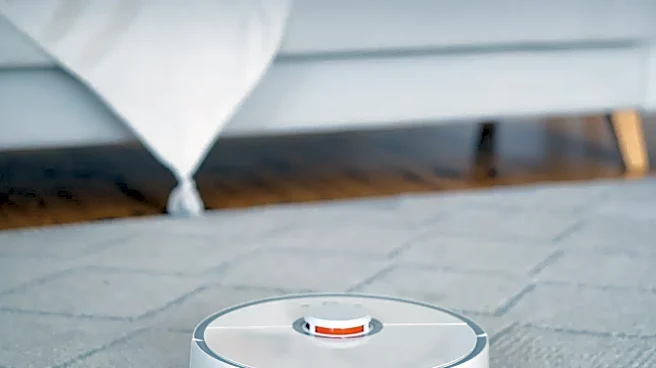
The first surprise for new owners is that modern robot vacuums don't just bump around randomly; they create sophisticated, persistent maps of your home. Using a combination of lasers (LiDAR), cameras, and infrared sensors, these devices learn and store
the precise layout of your rooms. This data is far more detailed than a simple blueprint. It can reveal the size of your home, the general layout of your furniture, and even infer your lifestyle and economic status based on square footage and room count. This information, once uploaded to the cloud, becomes a valuable asset for the manufacturer.
Your Home’s Unblinking Eye
Many high-end vacuums now feature cameras for advanced object recognition, allowing them to identify and steer clear of obstacles like shoes, cables, and pet waste. While incredibly useful, this feature effectively puts a roving camera in your home. The privacy implications became starkly clear in a widely reported incident where development versions of a robot vacuum captured sensitive images, including one of a woman on the toilet, which were then leaked online. While manufacturers claim such images are used for training AI and that users consent to data collection, the incident highlights a significant risk: where this visual data goes and who gets to see it.
Can Your Vacuum Hear You?
While most robot vacuums don't have traditional microphones for open-ended listening, some are equipped to hear voice commands. More shockingly, researchers demonstrated a method they called 'LidarPhone', proving it's possible to repurpose the device's navigation laser to pick up sound. By measuring the subtle vibrations that conversations cause on nearby objects, they could reconstruct speech with surprising accuracy. This means even a vacuum without a microphone could potentially be used to eavesdrop on private conversations, capturing anything from television show preferences to sensitive financial information.
The Real Price Is Your Data
Why would a vacuum company want all this information? Your data is a valuable commodity. While many companies, like iRobot, have policies against selling user data, the information is still incredibly useful. It helps them improve their products, understand user habits, and develop future smart home strategies. The concern, highlighted during Amazon's proposed (and later abandoned) acquisition of iRobot, is that this intimate home data could be leveraged for other commercial purposes, like highly targeted advertising. Your floor plan and cleaning schedule paint a detailed picture of your life, and in the data economy, that picture is worth a lot of money.
How to Protect Your Privacy
Despite these concerns, you don't have to throw your robot vacuum away. You can take concrete steps to protect yourself. Start by reading the privacy policy before you buy and choosing a reputable brand with strong encryption standards and security certifications. In the device's app, disable any unnecessary features, such as camera-based mapping or cloud-syncing of floor plans if you're not using them. You can also set up 'no-go' zones for sensitive areas like bedrooms and home offices. For the more tech-savvy, consider running the vacuum on a separate 'guest' Wi-Fi network to isolate it from your main devices, or even using models that can operate entirely offline.