







On the surface, Meta's AI strategy makes no sense. The company is spending hundreds of billions on infrastructure to build powerful AI models, only to give them away for free. It’s a paradox that has left many in Silicon Valley scratching their heads.
The 'Free' Part of the Equation
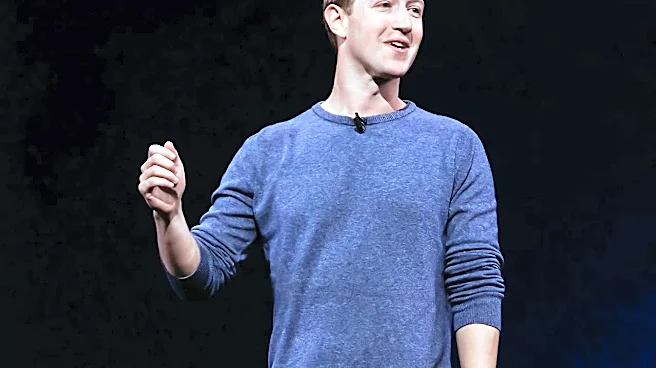
The centerpiece of Meta's strategy is its family of Llama AI models. Unlike competitors such as OpenAI, which charge for access to their most powerful systems like GPT-4, Meta has chosen to open-source its models. This means any developer, researcher, or company can download, modify, and use these advanced AI systems for free. The goal, as stated by CEO Mark Zuckerberg, is to foster innovation and prevent the concentration of AI power in the hands of a few companies. By releasing models that are competitive with the best closed-source alternatives, Meta has effectively turned the AI model itself into a commodity, a widely available and low-cost resource for everyone.
The Staggering Price of 'Free'
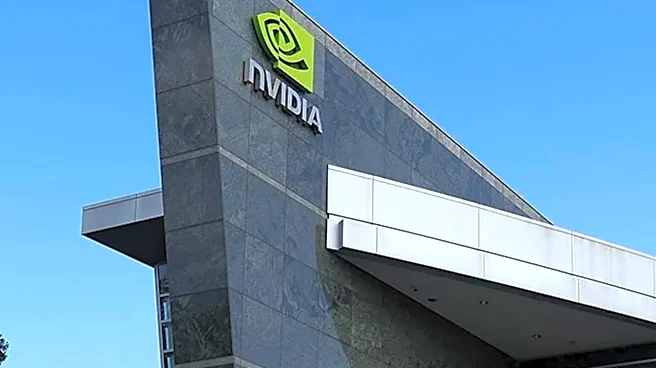
This generosity comes at an astronomical cost. Meta's capital expenditures have skyrocketed, with plans to spend up to $145 billion in 2026 alone, primarily on the infrastructure needed to power its AI ambitions. This includes building massive data centers, some so large they could cover a significant portion of Manhattan, and purchasing millions of high-end GPUs from companies like Nvidia. By late 2025, the company expected to have over 1.3 million GPUs in service, representing a colossal investment in raw computing power. This spending spree is so intense that for a recent quarter, despite record-breaking revenue, the company reported negative free cash flow because its infrastructure spending outpaced its operating cash.
The Strategic Gambit: Commoditize Your Complement
So, why spend a fortune to give away the product? The strategy, known in business circles as 'commoditizing your complement,' is a classic Silicon Valley power play. The idea is to make a product that complements your core business as cheap as possible to drive demand for what you actually sell. For Meta, the core business is, and has always been, advertising and user engagement across its apps like Facebook, Instagram, and WhatsApp. By making powerful AI models free, Meta accomplishes several goals. First, it puts immense pressure on rivals like OpenAI and Google, who rely on selling access to their models as a primary business. It's hard to charge a premium for something your competitor is giving away for free. Second, it fosters a vast ecosystem of developers building new applications on Meta's technology, creating a powerful network effect and attracting top talent. Every app built on Llama further entrenches Meta's AI architecture as an industry standard.
A Bet on Platform Dominance
Ultimately, this isn't about selling AI models. It's about owning the next computing platform. Having spent years at the mercy of Apple and Google's mobile operating systems, Zuckerberg is determined not to let another company control the foundational layer of the next technological shift. The 'free model' strategy is a high-risk, high-reward bet to ensure that the future of AI is built on Meta's terms and on its infrastructure. By absorbing the upfront costs of training and distributing these massive models, Meta is shifting the battleground from who has the best model to who has the most efficient and powerful infrastructure. If the strategy works, Meta won't just be an app company; it will be a fundamental utility for the dawning age of artificial intelligence, monetizing its position through its core advertising business, which becomes stronger with every new AI-powered interaction on its platforms.