




Beyond the Party Tricks
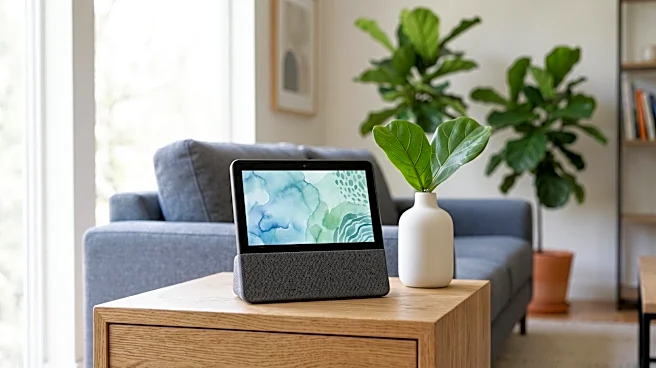
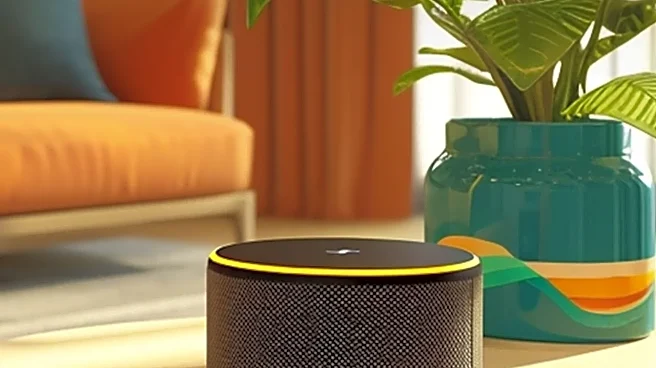
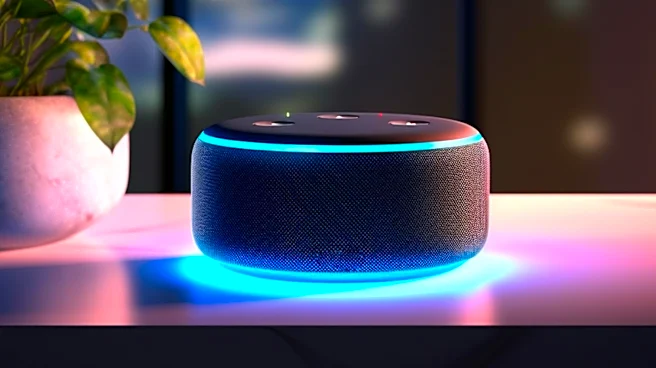
When you unbox a smart speaker or a set of color-changing bulbs, the initial appeal lies in simple commands: playing a specific song, dimming the lights for a movie, or answering a trivia question. These are the functions that dominate marketing and shape
public perception. They're convenient, fun, and easy to demonstrate. However, this focus on immediate, small-scale tasks causes many users to fundamentally underestimate what they've invited into their home. They see the device, not the system. The real value isn't in automating a single action but in connecting multiple devices into a responsive environment. These simple gadgets are merely the on-ramp to a much larger and more impactful technological shift.
The Ecosystem Is the Real Product
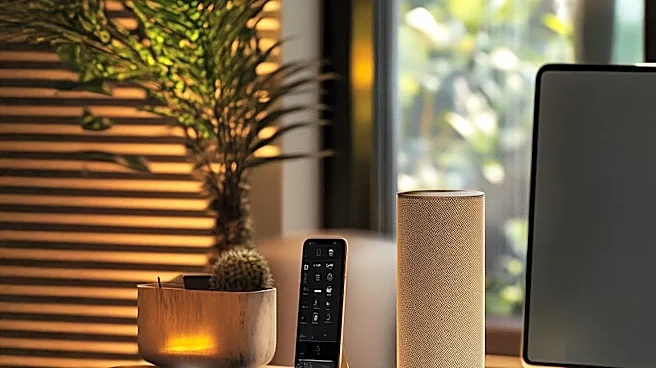
Thinking of a smart speaker as a standalone product is like thinking of an iPhone as just a device for making calls. The real power lies in the app store—the platform that connects hardware to a universe of functions. Similarly, the true product you’re buying into with a Google Assistant or Amazon Alexa device is the ecosystem. The living room is the beachhead for this strategy. It’s the central hub of the home where entertainment, lighting, and climate control converge. When your TV, soundbar, lights, and thermostat can all communicate through a central hub, the home begins to function less like a collection of separate objects and more like a single, cohesive unit that can automate routines and adapt to your presence. A simple command like “movie night” can dim the lights, turn on the TV and soundbar, and even lower the smart blinds—an experience far greater than the sum of its parts.
Your Living Room as an Operating System
This integration is the first step toward what the tech industry calls “ambient computing.” The goal is for technology to fade into the background, anticipating needs rather than just responding to commands. Instead of you actively managing your environment, the environment starts to manage itself for you. Sensors that detect motion, light, and even sound can trigger actions without you saying a word. For example, the lights can brighten automatically as the sun sets, or the thermostat can adjust based on how many people are in the room. This concept transforms your living space from a static area into a dynamic environment that works passively to make life more comfortable and efficient. Some newer sensors can even distinguish between pets and people, making automations more reliable than ever.
The Unseen Benefits: Accessibility and Security
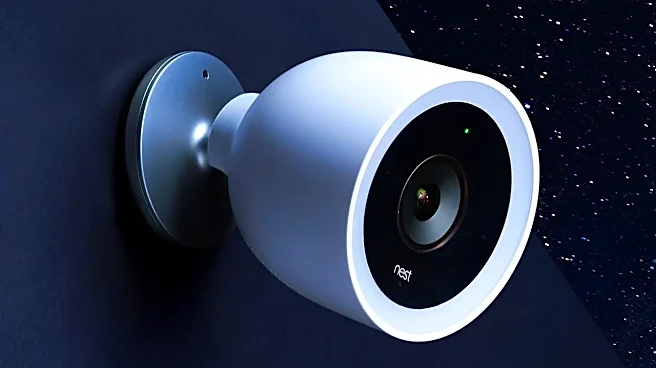
Perhaps the most undervalued aspect of a connected living room is its profound impact on accessibility and peace of mind. For individuals with mobility limitations, the elderly, or people with disabilities, voice-controlled systems are not a convenience; they are a gateway to independence. The ability to control lights, lock doors, adjust the thermostat, and call for help with just a voice command can be life-changing. Likewise, integrating smart security features provides tangible benefits for everyone. A smart TV can show a notification from a doorbell camera, and connected sensors can alert you to unexpected activity whether you're on the couch or across the country. These devices create a home that is not just more convenient, but fundamentally safer and more inclusive.