







What Exactly Is Benioff's 'Privacy Bet'?
For years, Salesforce CEO Marc Benioff has been one of Silicon Valley's most outspoken advocates for data privacy. Long before it was fashionable, he was calling for a U.S. federal privacy law similar to Europe's GDPR. In 2018, he famously declared that
trust was in crisis and compared Facebook to "the new cigarettes," arguing that the industry could not be trusted to self-regulate. Benioff's bet is rooted in the idea that privacy is a fundamental human right and that companies who champion it will earn customer loyalty and a powerful competitive advantage. He's staked his company's reputation on the core value of "Trust," a word plastered all over Dreamforce. This bet assumes that in an increasingly data-driven world, the company that best protects its customers' information will ultimately win.
The AI Paradox at Center Stage
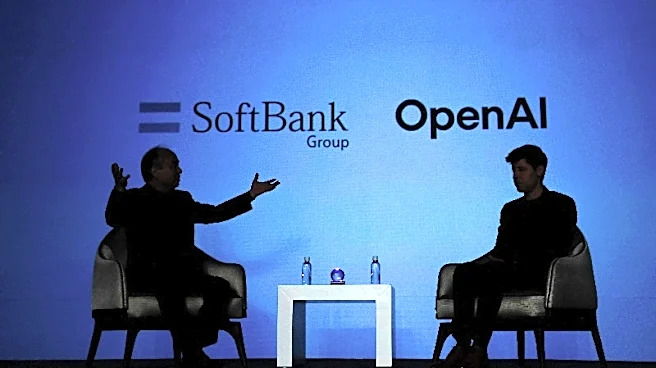
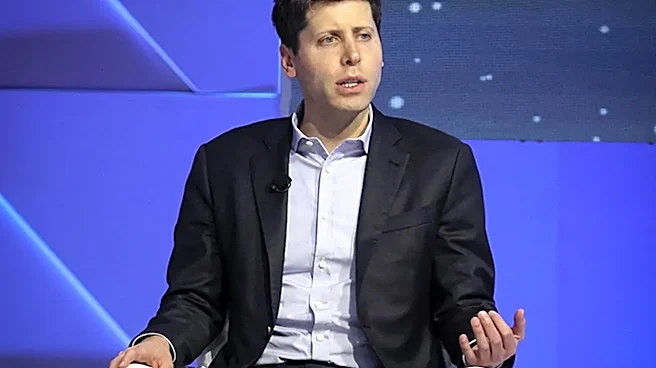
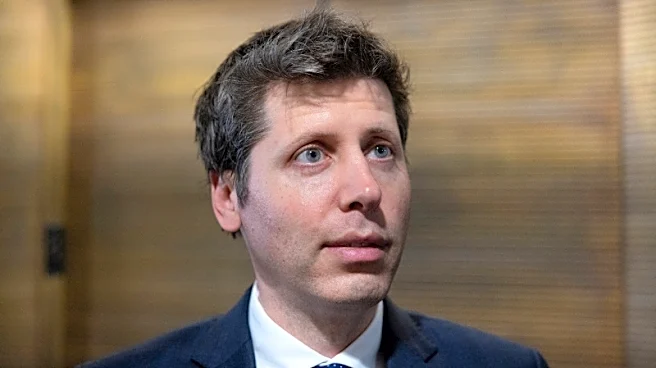
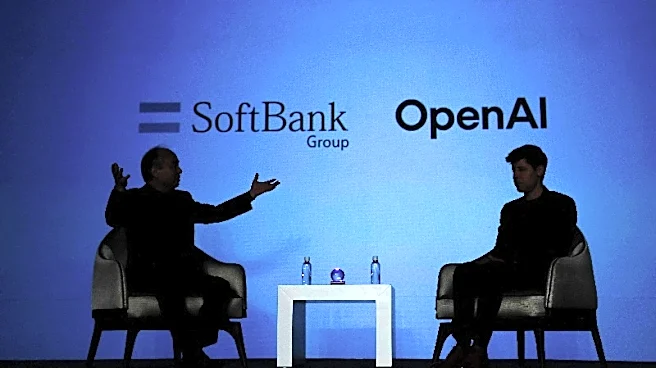
This year, the dominant theme is the "Agentic Enterprise," where autonomous AI agents work alongside humans. With partners like OpenAI's Sam Altman joining Benioff on the main stage, the message is clear: Salesforce is all-in on generative AI. This creates a powerful paradox. AI is notoriously data-hungry; the more information it has, the smarter it becomes. How can a company championing data privacy also lead the charge on a technology that requires unprecedented access to that same data? The tension is palpable. Every announcement about a more powerful AI agent implicitly raises questions about the data fueling it, making Benioff's long-held privacy stance more critical—and more complicated—than ever.
Walking the Tightrope with the 'Einstein Trust Layer'
Salesforce’s answer to this paradox is the "Einstein Trust Layer." It’s a set of technical guardrails designed to let customers use powerful AI models, including those from third parties like OpenAI, without compromising their data. The company promises features like zero-data retention, which means external AI models don't learn from or store sensitive customer information, and data masking to protect personally identifiable information. The entire security keynote at Dreamforce 2026 is dedicated to proving that the company can accelerate AI initiatives with "ironclad trust, visibility, and guardrails." This technological layer is Salesforce’s attempt to walk the tightrope: leveraging the best of AI innovation while assuring customers that their data isn't paying the price. The messaging is squarely aimed at proving the privacy bet isn't just talk.
Is It a Strategy or a Slogan?
As Dreamforce buzzes with talk of AI agents and a new "Headless 360" architecture, the ultimate question for customers is whether this commitment to trust is a core operating principle or a sophisticated marketing slogan. In a complex regulatory environment with nearly 20 different state privacy laws in the U.S. alone, a unified privacy framework is a significant selling point. By offering customers the ability to choose data residency and providing tools for compliance, Salesforce is turning privacy into a product feature. However, the real test will come not in the keynotes, but in the fine print of contracts and the quiet reliability of its systems. The company's recent push of significant security changes, which drew some criticism from developers for its rocky rollout, shows just how difficult it is to enforce security at scale. For Benioff's bet to pay off, trust has to be more than a value; it must be an unwavering feature of the user experience.