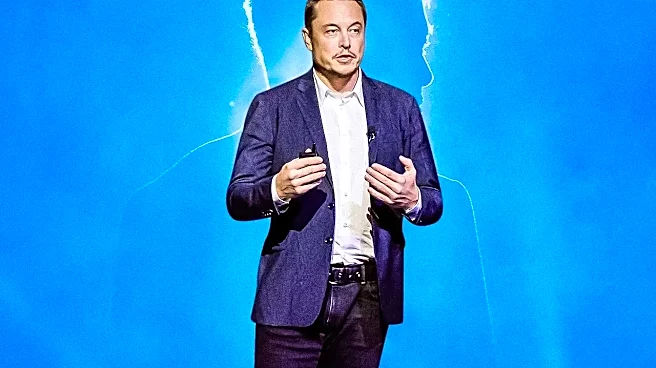







The Sizzle on Stage
TechCrunch Disrupt is Silicon Valley’s premier showcase for ambition, where startups compete for attention from investors and the world. Lately, the stage has been dominated by artificial intelligence. Founders promise to revolutionize everything from drug
discovery to legal research and coding. The common thread is a powerful, often proprietary, AI model that can generate text, images, or insights at a scale previously unimaginable. They pitch a future of unparalleled efficiency and creativity, and for a moment, it feels like anything is possible. Investors are drawn to the potential for massive returns, and the most promising startups can attract significant funding. Yet, the impressive demos often obscure a fundamental business challenge that emerges only after the applause fades.
The Bill: A Tale of Two Costs
The engine powering this AI revolution is a vast, expensive infrastructure of specialized computer chips, primarily GPUs, rented from cloud providers like Amazon Web Services (AWS), Google Cloud, and Microsoft Azure. The costs come in two main forms. First is 'training', the one-time, multi-million dollar process of teaching an AI model by feeding it enormous datasets. Think of it as sending your AI to college; it’s a massive upfront investment. OpenAI's GPT-4, for instance, had estimated training costs of $78 million. But the real killer for many startups is 'inference'—the ongoing cost of running the trained model to generate answers for users. Every time a customer asks a question or generates an image, it requires significant computing power. This is like the AI's cost of living, and it scales directly with success. A viral app can see its monthly cloud bill jump from a few thousand dollars to tens or even hundreds of thousands, turning growth into a liability.
The Landlords of the AI Boom
This dynamic has made the major cloud providers the undisputed landlords of the AI boom. They are not just vendors; they are strategic gatekeepers. To fuel the ecosystem, AWS, Google, and Azure offer generous 'cloud credits'—free infrastructure spending that can be worth hundreds of thousands of dollars to a fledgling startup. These credits are essential, allowing founders to build and launch products without going broke immediately. However, this support comes with a catch. The credits eventually run out, and by then, a startup is often deeply integrated into a specific provider's ecosystem, making it difficult to switch. This vendor lock-in ensures that as AI startups scale, their revenue is inextricably linked to their cloud provider's bottom line. In this gold rush, the ones selling the picks and shovels are guaranteed to win.
Beyond the Model: The Search for a Sustainable Business
The immense cost of inference means that simply having a powerful AI model is not enough to build an enduring business. If your product is easily replicated and your main expense is compute, you don't have a competitive moat—you have a leaky bucket. Investors are increasingly wary of companies whose only innovation is a thin wrapper around a costly third-party API. The startups that thrive will be those that solve a specific customer problem and build a defensible business around it. This could mean focusing on a niche industry, creating a unique user experience, or developing proprietary data that no competitor can access. Some are exploring smaller, more efficient open-source models or even investing in their own hardware to manage costs. The key is to shift the focus from technological spectacle to sustainable unit economics, ensuring that each new customer adds more to revenue than to the cloud bill.