





More Than a Phone, It's a Golden Handcuff
In business, a “moat” is a competitive advantage that protects a company from rivals, much like a castle’s moat protected it from invaders. For years, people assumed Apple’s moat was its beautiful hardware or its premium brand. But the real moat—the one
that keeps customers loyal with a staggering 92% retention rate—is the ecosystem. It’s the seamless, almost magical integration of hardware, software, and services that makes leaving for a competitor feel like a downgrade. It’s the iMessage green bubbles that ostracize Android friends, the effortless way AirPods switch between your Mac and iPhone, and the fact that your Apple Watch only works with an iPhone. These aren't just features; they are carefully laid bricks in a wall that makes switching platforms a genuine, intentional, and often costly hassle. Once you’re in, you’re in deep.
The Three Pillars of the Fortress
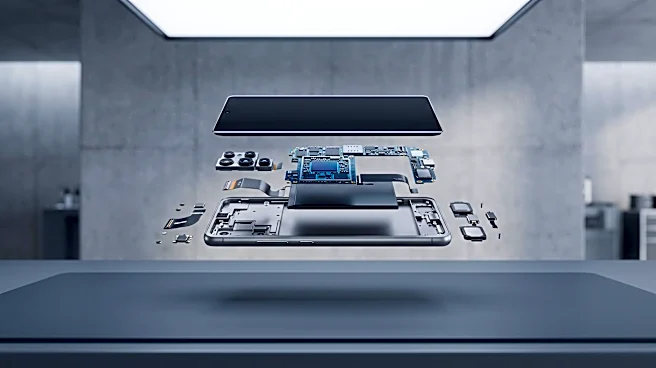
Apple’s ecosystem stands on three interlocking pillars that competitors have found nearly impossible to replicate. The first is hardware. Apple designs its own devices—iPhone, Mac, iPad, Watch, and Vision Pro—to work together in perfect harmony. The second is software. By controlling the operating systems (iOS, macOS, visionOS), Apple ensures a consistent, secure, and user-friendly experience that Android, with its fragmented landscape of different manufacturers, can't match. This allows for features like Universal Control, where a single mouse and keyboard can glide between a Mac and an iPad, or Handoff, which lets you start an email on your phone and finish it on your laptop. The third, and increasingly important, pillar is services. iCloud, Apple Music, Apple Pay, and the App Store are woven into the fabric of the devices, creating recurring revenue and adding another layer of convenience that locks users in. This virtuous cycle—innovate premium hardware, integrate it with exclusive software, and monetize it with services—is the engine of Apple's dominance.
Why Can't Rivals Just Build Their Own?
It’s not for lack of trying. Google has a world-class services and software ecosystem but lacks a vertically integrated hardware business to match Apple's polish. Samsung is a hardware giant, even supplying displays for iPhones, but it relies on Google's Android for its software, creating a less cohesive experience. No single competitor controls the hardware, software, and services with the same iron fist and design-centric vision as Apple. Building such an ecosystem requires decades of strategic focus, massive capital investment in R&D, and a willingness to create a "walled garden"—a closed system that prioritizes a seamless user experience over open compatibility. While this approach draws criticism and regulatory scrutiny for stifling competition, its effectiveness is undeniable from a business perspective. Rivals are left to compete on individual features, while Apple competes with a holistic experience.
The View From the iPhone 18
Looking ahead, this moat is only getting deeper and wider. The hypothetical iPhone 18 won't be just a phone; it will be the nerve center of an increasingly intelligent and personal ecosystem. Imagine Apple Intelligence, the company's privacy-focused AI, working across all your devices, learning your habits to proactively manage your life. The Apple Vision Pro, or its lighter successor, will integrate more deeply, blending your digital world with your physical space, all orchestrated by your iPhone. Your health data from the Apple Watch will offer even more predictive insights thanks to smarter AI analysis. Each new product and service doesn’t just add a feature; it adds another reason to stay. This is the argument rivals truly fear: it’s no longer about building a better phone. It’s about building a better, more integrated life—and Apple is years, if not decades, ahead.