








For over a decade, Amazon Web Services (AWS) was a simple, brilliant business: rent out computing power and watch profits soar. Now, a seismic shift toward artificial intelligence is forcing Amazon to rewrite its own profitable playbook.
The Cloud King’s Original Throne
Amazon Web Services
became a dominant force in technology by popularizing the concept of the cloud. Its original model was revolutionary in its simplicity. Instead of buying and managing their own physical servers, companies could rent computing power, storage, and databases from AWS on demand. This turned massive upfront capital costs into manageable operating expenses, fueling a generation of startups and allowing large enterprises to become more agile. The business was a cash cow, with high profit margins that funded Amazon's other ambitious projects. For years, AWS was the undisputed leader, holding roughly a third of the cloud market. Its success was built on being a reliable, general-purpose utility for the digital world.
Why the AI Gold Rush Changes Everything
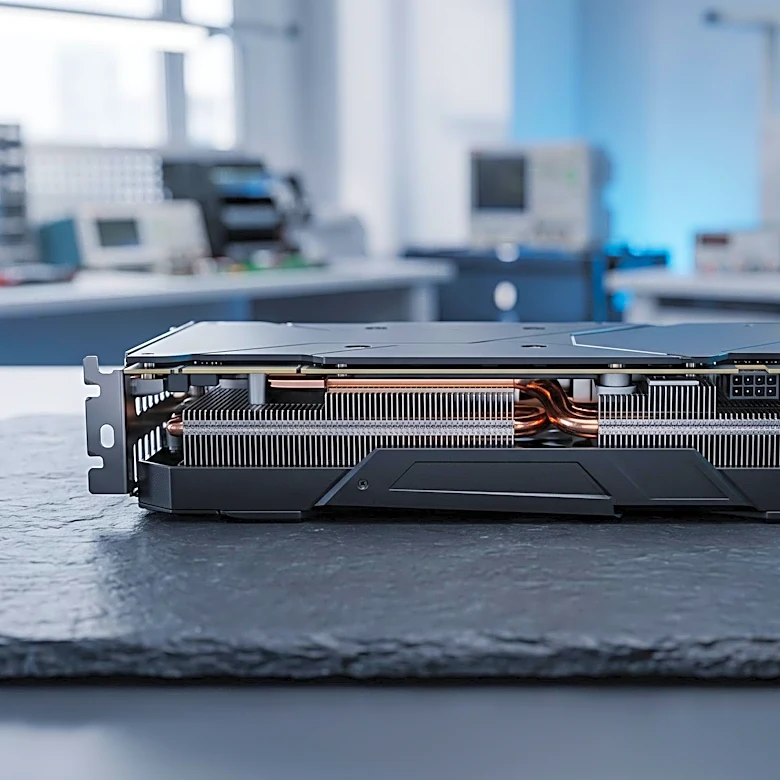
The generative AI boom has fundamentally altered the demands on cloud infrastructure. Training and running large AI models, like those that power advanced chatbots or create images from text, require a different and much more intense kind of computing power. Standard servers are not equipped for the task. This new reality requires specialized, power-hungry hardware, particularly graphics processing units (GPUs), which excel at the parallel processing AI workloads demand. This isn't just a new feature; it's a new foundation. The surge in demand for AI computing has been described by Amazon CEO Andy Jassy as a 'once-in-a-lifetime opportunity' with unprecedented growth, forcing a strategic realignment.
A Multi-Billion-Dollar Wager on AI Infrastructure
In response, Amazon is making an enormous financial bet. The company has laid out a capital expenditure plan of approximately $220 billion for 2026, with plans for 'meaningfully more' in 2027, almost entirely dedicated to building out its AI infrastructure. This spending spree involves two key strategies. First, Amazon is buying up massive quantities of high-end GPUs from partners like Nvidia, with plans to deploy millions of new chips in the coming years. Second, and perhaps more importantly, Amazon is heavily investing in its own custom-designed AI chips. Its 'Trainium' chips are built for training AI models, while 'Inferentia' chips are optimized for running them efficiently. This dual approach aims to reduce dependency on third-party suppliers and offer customers a more cost-effective option, a critical factor as the cost of running AI models is a major concern for businesses.
A New Business Model Emerges
This massive investment is transforming the AWS business model. The company is evolving from a high-margin, general_purpose utility into a more capital_intensive, specialized infrastructure provider for the AI age. While its traditional cloud business continues to grow, the focus is now on winning the AI arms race against competitors like Microsoft Azure and Google Cloud. Recent earnings reports show the strategy is paying off in terms of growth, with AWS revenue accelerating to its fastest pace in nearly five years, largely driven by AI demand. However, this has come at a cost, pushing Amazon's free cash flow into negative territory due to the staggering upfront investments. The new model relies on securing long_term, large_scale commitments from customers who are building their entire businesses around AI, effectively locking them into the AWS ecosystem. Amazon is no longer just renting out digital real estate; it's building the foundational factories for the AI economy.