


The Foundation: A Bet on Custom Silicon
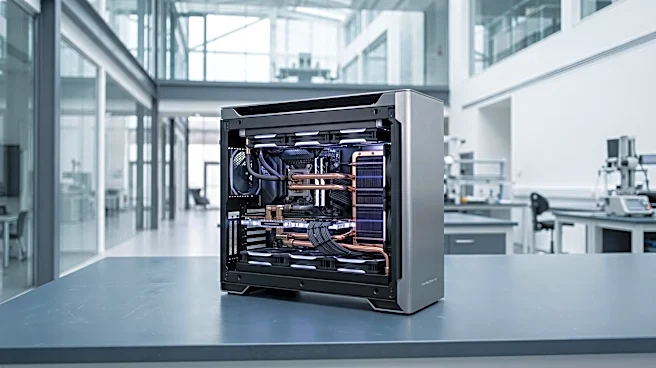
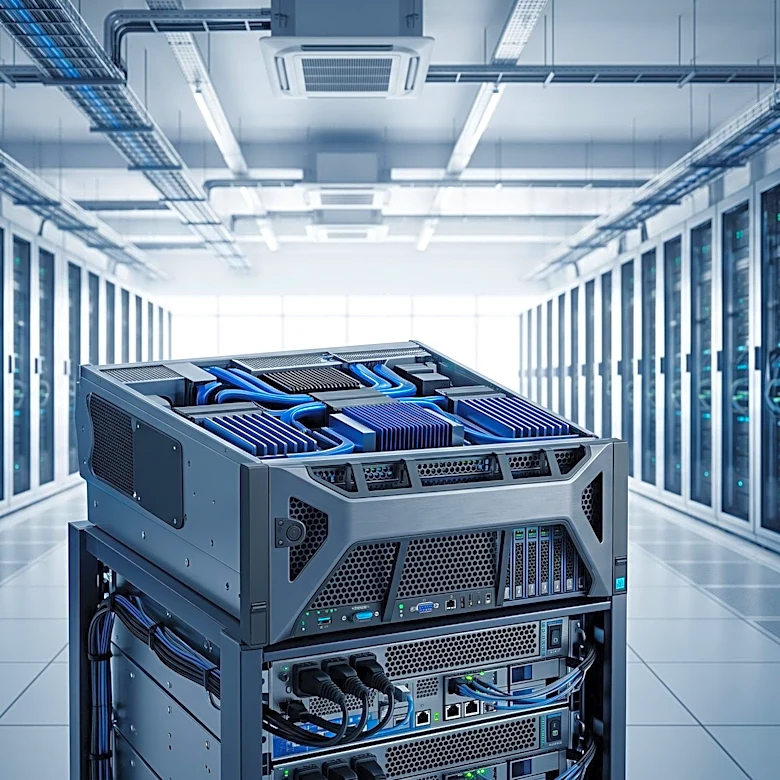
Long before you can ask an AI to summarize a meeting, the request is processed by powerful, specialized hardware. Microsoft is increasingly designing its own chips for this purpose. The company has been vocal about its custom 'Maia' line of AI accelerators,
designed to run AI models more efficiently and cost-effectively. At Ignite, partners like Intel and Microsoft showcased how they are advancing silicon for AI, focusing on performance per watt. This move isn't just about saving money or reducing reliance on chip giant Nvidia; it's a strategic play to build a more efficient and powerful foundation for Azure, Microsoft's cloud platform. By controlling the hardware, Microsoft can optimize the entire AI experience, from the data center rack to the response that appears on your screen, a critical advantage as AI workloads become more complex.
The Engine Room: Unifying Data with Microsoft Fabric
An AI is only as smart as the data it can access. For businesses, that data is often scattered across countless databases, spreadsheets, and applications. Microsoft's answer is Fabric, a unified platform designed to bring all of an organization's data together. Several Ignite sessions focused on making this data 'AI-ready' and scaling Fabric for enterprise use. The goal is to create a single, reliable source of truth that AI agents can use to make decisions. This is where concepts like 'Fabric IQ' and data 'ontology' come in, which help the system understand the context and relationships within the data. It's less glamorous than a chatbot, but for a business wanting to use AI for more than just simple queries, having a governed, unified data estate is non-negotiable. It’s the plumbing that makes enterprise-wide AI possible.
The New Workforce: Rise of the 'Agentic' AI
The next evolution beyond chatbots is 'agentic AI'—autonomous systems that don't just answer questions but actively perform multi-step tasks. Think of an AI that can monitor sales data, identify a problem, draft a solution, and seek approval, all with minimal human intervention. Microsoft and its partners are heavily focused on this, with sessions at Ignite covering everything from building these agents with Microsoft Foundry to developing the infrastructure needed to run them. This push toward agents explains the focus on other, less-visible layers. These autonomous systems require enormous computing power (custom silicon) and pristine, contextual data (Fabric) to function reliably and safely.
The Guardrails: Governance and Security Take Center Stage
As businesses move from experimenting with AI to deploying it at scale, questions of security, governance, and cost control become paramount. Acknowledging this, a significant portion of the Ignite 2026 agenda was dedicated to these practical challenges. Sessions covered how tools like Microsoft Purview can help secure data before it's ever used by an AI, preventing sensitive information from being exposed. Other discussions centered on 'Agent 365,' a proposed governance layer to manage AI agents, set cost policies, and ensure human oversight. There was even talk of new usage-based billing models for Copilot, reflecting a maturing market where customers demand more direct control over spending. This focus on enterprise-grade controls shows Microsoft understands that for most companies, trust and safety are just as important as capability.