



The Garage and the Big Break
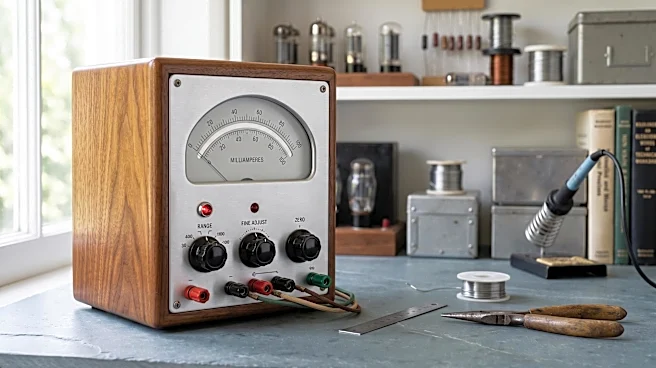
Hewlett-Packard, founded in 1939 by Bill Hewlett and Dave Packard, is the quintessential Silicon Valley startup story—right down to the one-car garage in Palo Alto. Their first successful product, the Model 200A audio oscillator, was an engineering marvel.
It was a high-quality, low-cost device for testing sound equipment. Their big break came when Walt Disney Studios bought eight of a modified version, the 200B, to help produce the groundbreaking soundtrack for the film Fantasia. This single order put the fledgling company on the map and set the stage for its rapid expansion as World War II created a massive demand for electronic testing equipment.
The Perils of Rapid Growth
Success, however, came at a price. As government contracts poured in during the war, HP grew at a breakneck pace. Revenue soared, and the employee count jumped from just a handful to over one hundred. But this explosive growth masked a critical problem familiar to many startups: a severe cash-flow crisis. They were spending money to build the products—buying materials and paying salaries—long before the government payments came through. The company was profitable on paper, but it was running out of actual cash. This is the classic trap of a fast-growing business: being choked by your own success because you don't have the working capital to fund the next order.
The Moment of Truth
The situation came to a head during the war. With Bill Hewlett serving in the army, Dave Packard was left running the company. He realized they were on the verge of not being able to make payroll. The company's future depended on securing a line of credit from a bank, something that was far from guaranteed for a small, unproven electronics firm. Packard, a famously frugal and straightforward man, went to the bank and laid out his problem honestly. He explained that HP was a sound, profitable business that was simply growing too fast for its cash reserves. He managed to secure the loan, pulling the company back from the brink of insolvency.
Forging the 'HP Way'
This near-bankruptcy experience was a formative trauma for the founders. It instilled in them a deep-seated fiscal conservatism and a determination to never again lose control of the company's destiny by relying on outside financing. From this crisis, the core principles of what would become the legendary "HP Way" were born. This management philosophy emphasized avoiding debt, funding growth from profits, and maintaining financial discipline at all costs. It also included a profound respect for employees, recognizing that their collective effort had saved the company. This led to pioneering practices like profit-sharing and catastrophic health insurance, which were virtually unheard of at the time.