






An Architect of Silicon Valley
To understand the magnitude of Luke Nosek’s departure, you have to understand the world he helped build. As a co-founder of PayPal, he was part of the legendary “PayPal Mafia”—a group of alumni who went on to create or fund a staggering number of tech
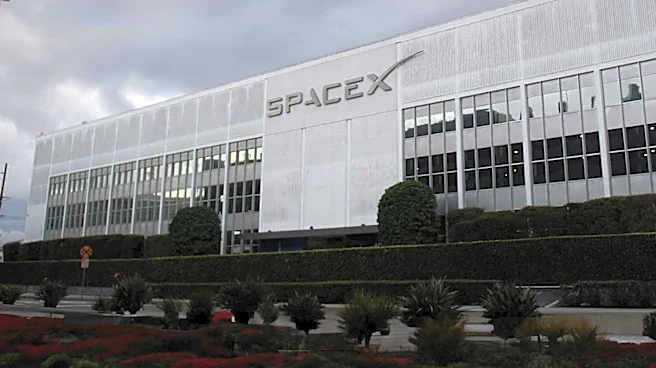
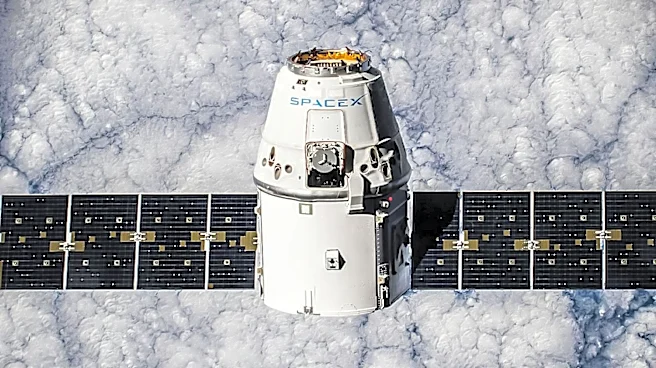
giants, including YouTube, LinkedIn, and Yelp. After PayPal’s sale to eBay for $1.5 billion, Nosek didn’t rest. In 2005, he co-founded Founders Fund with Peter Thiel and Ken Howery. It wasn’t just another VC firm. Founders Fund became synonymous with a specific brand of high-risk, high-reward investing, backing ambitious, world-changing ideas that others deemed too audacious or scientifically complex. Their portfolio came to include giants like Facebook, Palantir, and Airbnb. Nosek himself was the first institutional investor in a then-fledgling rocket company called SpaceX, joining its board in 2008.
Leaving the Mothership
Founders Fund championed a contrarian philosophy: they weren't interested in incremental improvements. They wanted to fund breakthroughs. The firm prided itself on providing patient capital to founders with radical, long-term visions. This makes Nosek's decision to leave in 2017 all the more puzzling. Why walk away from a firm that not only embodied his investment ethos but was also one of the most successful in the world? He wasn't cashing out or retiring. Instead, he was doubling down, making a bet so concentrated that it couldn't be contained within the already-flexible structure of Founders Fund.
The Gigafund Revelation
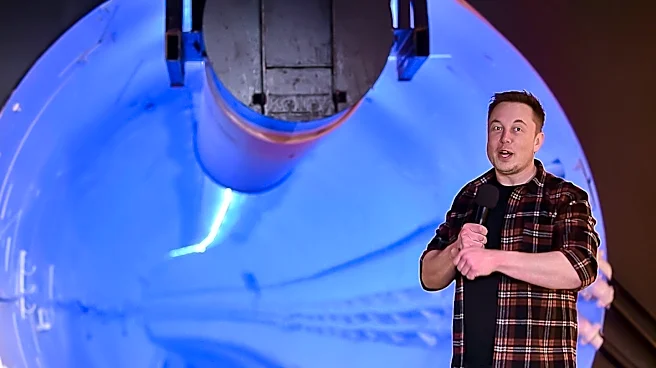
Nosek left to start Gigafund with fellow Founders Fund alum Stephen Oskoui. Initially, the new firm’s focus was almost singular: raising capital for SpaceX. This was the hidden bet. It wasn't just about believing in one company, even a company as ambitious as SpaceX. It was a bet on a new model of venture capital itself. Instead of a portfolio of diverse (but still contrarian) bets, Gigafund would make extremely concentrated, long-term investments in what it identified as the world's most transformative companies. Since its founding, Gigafund has poured over $1 billion into SpaceX alone, while also backing other Elon Musk ventures like Neuralink and The Boring Company.
A Bet on Conviction Over Diversification
The traditional venture capital model is built on diversification. The assumption is that most startups will fail, a few will do okay, and one or two will deliver massive returns that cover all the losses. Nosek’s move with Gigafund flips that script. It’s a thesis built on extreme conviction, positing that a tiny number of generational companies will create the vast majority of value. Gigafund’s model argues for identifying those companies early and providing them with sustained, massive support over a much longer time horizon—20 years or more, rather than the typical 10. It’s a rejection of the quick-exit mentality in favor of becoming a truly long-term partner in building enterprises that solve fundamental problems for humanity.