






The Perfect Storm of 2008
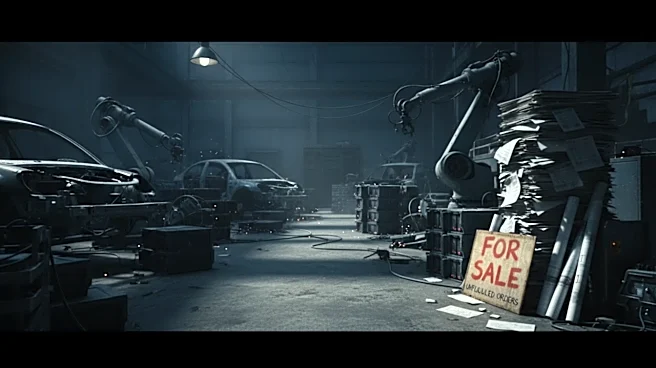
By 2008, Tesla was hemorrhaging cash. The development of its first vehicle, the revolutionary Roadster, was far more expensive than anticipated. Initial cost projections of $25 million had ballooned to nearly $140 million. The car was a niche luxury item,
and the company was struggling with production, burning through about $4 million a month. This high burn rate collided head-on with the global financial crisis, which froze credit markets and made it nearly impossible for a high-risk startup to raise money. While Tesla was trying to invent the future of transportation, established giants like General Motors were collapsing, highlighting the brutal nature of the auto industry.
Betting the Entire Farm
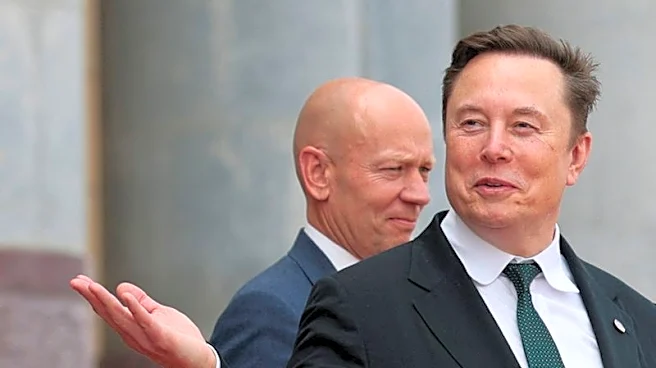
With the company's survival in question, Elon Musk, who had taken over as CEO, was forced into a desperate position. Having made a fortune from the sale of PayPal, he funneled his remaining personal wealth into his two high-risk ventures: SpaceX and Tesla. By late 2008, Musk had invested his last dollars into the companies and was reportedly so low on personal funds that he had to borrow money from friends to pay rent. He faced a terrible choice: split his remaining money between both companies with the risk of losing both, or save one and let the other die. He chose to gamble on saving both.
A Christmas Eve Miracle
The situation became critical in December 2008. Tesla was just days away from being unable to make payroll. A crucial funding round was in jeopardy, with a key existing investor resisting the plan. In what has become a legendary part of Tesla's history, Musk managed to close a $40 million financing round on Christmas Eve, just hours before the company would have gone bankrupt. According to Musk, the deal closed at 6 p.m. on the last possible day, as investors were preparing to leave for the holidays. This last-minute reprieve gave Tesla the oxygen it needed to survive the immediate crisis.
The Government Lifeline
While the Christmas Eve funding round saved Tesla from immediate death, its long-term survival was still uncertain. The company needed a much larger capital infusion to get its next car, the Model S, into production. That lifeline came in June 2009. Tesla was approved for a $465 million low-interest loan from the U.S. Department of Energy's Advanced Technology Vehicles Manufacturing (ATVM) program. This loan, distinct from the auto industry bailouts of the time, was designed to support the creation of fuel-efficient vehicles. The funds were earmarked specifically for the engineering and assembly of the Model S sedan and the construction of a powertrain manufacturing plant. This federal support provided the stability Tesla required to scale its operations and transition from a niche sports car maker to a mass-market contender. The company ultimately repaid the loan in 2013, nine years ahead of schedule.