



The 2022 collapse of TerraUSD (UST) and its sister token LUNA erased $40 billion from the crypto market. The public story was a classic bank run. But the real story involves a secret deal that concealed a fatal flaw long before the final crash.
The Promise: A 'Stable' Coin Built on Code
First,
let’s talk about what TerraUSD was supposed to be. Unlike stablecoins backed by actual dollars in a bank, UST was an 'algorithmic' stablecoin. It was designed to maintain its $1 peg through a clever relationship with its sibling token, LUNA. Think of it like a seesaw. If UST’s price dipped below $1, users could 'burn' (destroy) UST in exchange for $1 worth of newly created LUNA, pocketing a small profit and reducing UST's supply to push its price back up. If UST went above $1, the process worked in reverse. This automated arbitrage was pitched as a decentralized, self-correcting marvel. The system’s founder, Do Kwon, famously touted its resilience. This mechanism, combined with a lending platform called Anchor that promised an eye-watering 20% annual yield on UST deposits, fueled a massive rush into the ecosystem.
The Public Story of the Death Spiral
The official narrative of the May 2022 collapse is one of a sudden, catastrophic market panic. On May 7, several massive sales of UST hit the market, pushing its price down to about 98 cents. This initial dip spooked investors. As panic spread, more people rushed to sell their UST. They tried to use the arbitrage mechanism, swapping their failing UST for LUNA. But the selling pressure was too immense. The algorithm frantically minted trillions of LUNA tokens in a desperate attempt to prop up UST's price. This hyperinflation caused LUNA's own value to plummet from over $80 to fractions of a cent, destroying the very asset that was supposed to back UST. It was a classic 'death spiral,' and in a matter of days, the entire $40 billion ecosystem was worthless.
The Hidden Detail: The Secret Bailout of 2021
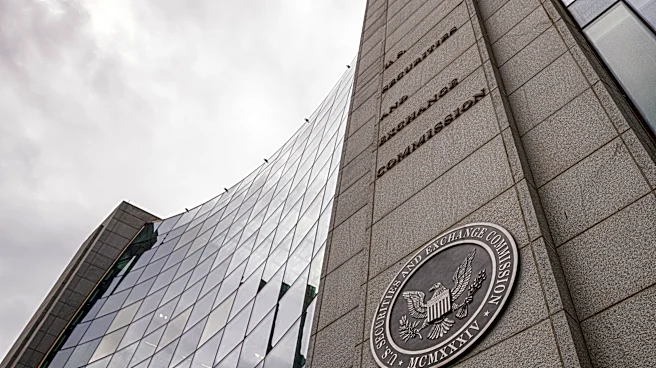
Here’s the hidden detail that changes everything. The catastrophic collapse in May 2022 was not the first time UST lost its peg. A similar, smaller de-pegging event happened a full year earlier, in May 2021. But the public barely noticed. Why? Because, as the U.S. Securities and Exchange Commission (SEC) later alleged in a lawsuit, Terraform Labs and Do Kwon secretly arranged for a third-party trading firm to save the day. According to the SEC, Terraform covertly enlisted high-frequency trading firm Jump Crypto to buy up huge amounts of UST to restore its $1 price. The intervention worked. The peg was restored, and Do Kwon publicly celebrated it as a triumph of the algorithm's inherent stability, calling it a successful 'stress test' without ever mentioning the secret bailout.
Why This Secret Deal Was the Real Story
This secret intervention is crucial because it proves the system's 'robustness' was a lie. The algorithm didn't save itself; it was bailed out by a secret, centralized deal. According to the SEC, Jump Crypto was rewarded handsomely for its help, receiving discounted LUNA tokens that it later sold for a reported profit of over $1 billion. This quiet arrangement gave investors a false sense of security, leading many to pour billions more into what they believed was a resilient system. The stability that attracted so much capital wasn't the product of a brilliant algorithm, but of a backroom deal designed to conceal a fundamental weakness. When the next major crisis hit in May 2022, there was no secret savior big enough to stop the bleeding, and the death spiral that was narrowly averted in 2021 played out for all to see. The SEC ultimately charged Terraform Labs and Kwon with orchestrating a massive fraud, leading to a settlement of over $4.5 billion.