







The Hype Meets A Harsh Reality
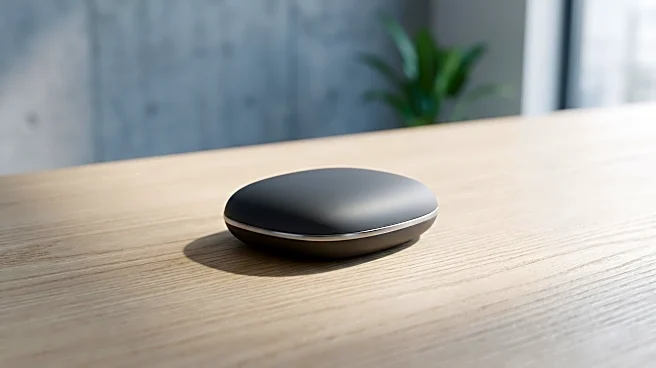
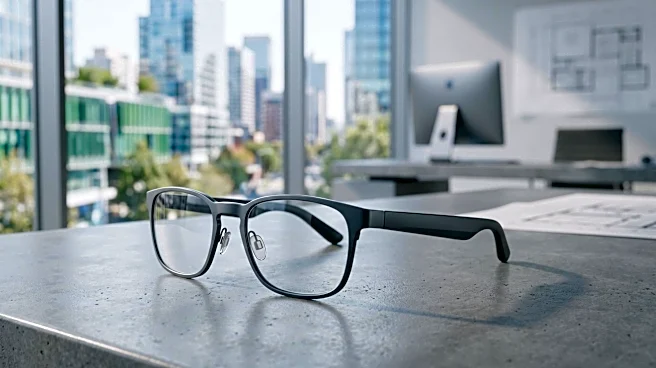
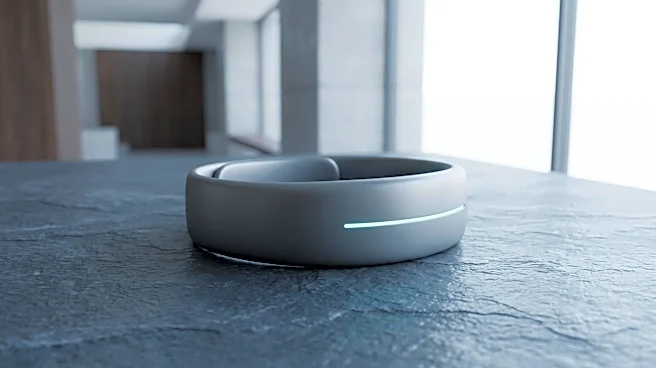
Devices like the Humane Ai Pin and Rabbit R1 captured the tech world's imagination. They presented a vision where artificial intelligence could be summoned with a tap or a word, freeing us from our smartphone screens. But early users and reviewers quickly
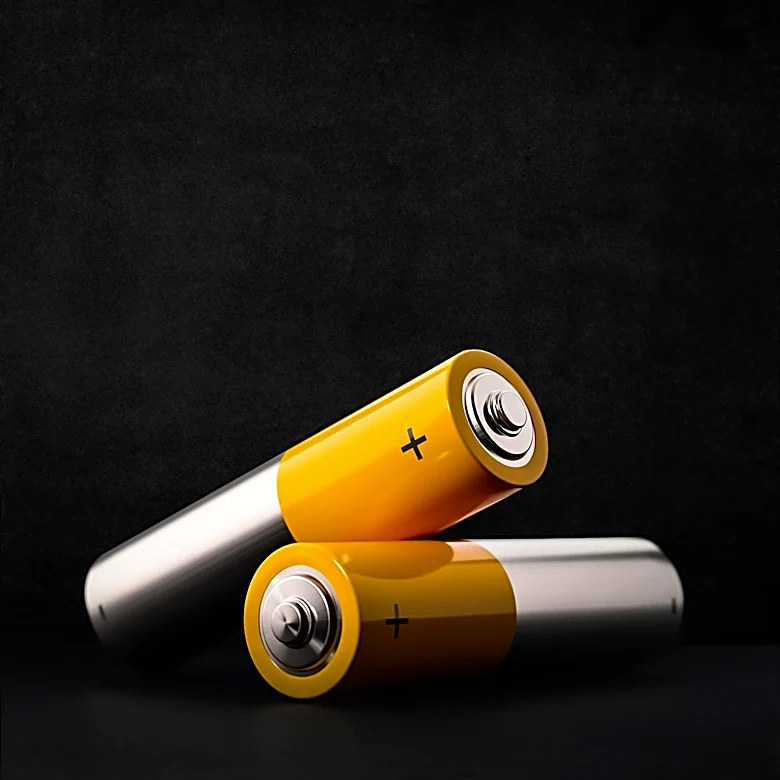
collided with a frustrating reality: these gadgets often die after just a few hours of use. In some cases, they would overheat and become unresponsive under the strain of their core functions. This isn't just a minor inconvenience; it's a fundamental flaw that renders the product category almost unusable for its intended purpose. It reveals that the biggest obstacle to the AI wearable dream isn't the software, but the power source keeping it alive.
We've Been Praising the Wrong Metric
For years, the gold standard for battery improvement has been energy density. Think of it as the size of a gas tank in a car. Measured in watt-hours per kilogram (Wh/kg), it tells you how much total energy can be stored in a given weight or volume. For devices with predictable, relatively low power needs like a smartphone playing video or a fitness tracker counting steps, energy density is king. It dictates how long the device can last on a single charge. It’s why your phone can now last a full day while having a brighter screen than ever. But AI wearables don’t sip power; they gulp it in intense, unpredictable bursts.
Meet Power Density: The Real Bottleneck
The single metric that will make or break this new product category is power density. If energy density is the size of the gas tank, power density is the size of the fuel line. It measures how fast the battery can deliver its stored energy. A battery can have a massive energy density but a low power density, like a huge water jug with a tiny pinhole. You have a lot of water, but you can only get a slow trickle out. Conversely, a battery with high power density is like a fire hose; it can unleash a torrent of energy instantly. This is vital for tasks that require a sudden, massive surge of processing power, which is the exact definition of running a generative AI query. The engineering challenge is that these two metrics are often in conflict; design choices that boost one tend to harm the other.
Why Generative AI Is So Power-Hungry
Unlike a traditional app, an AI assistant isn't just retrieving stored information. When you ask it a question, it's performing a complex computational task in real time. It’s processing your voice, connecting to a vast language model (either on the device or in the cloud), generating a unique response, and then speaking it back to you. Each of these steps requires a short, intense burst of electricity that far exceeds the demand of checking a notification or tracking your heart rate. A single AI query can use up to 10 times more power than a simple Google search. When a device is constantly listening for a wake word, using its camera to analyze the world, and frequently firing off these power-intensive queries, it puts an enormous strain on the battery's ability to deliver power quickly, leading to poor performance and rapid heat buildup.
The Search for a Solution
Solving the power density problem is the key to unlocking the potential of wearable AI. Simply making the battery bigger isn't an option for a device meant to be clipped to a shirt or worn discreetly. One path forward is a breakthrough in battery chemistry. Researchers are exploring new materials and nano-structures that can better balance the trade-off between energy and power density, allowing for both long life and high performance. The other, parallel path is to make the AI itself more efficient. By optimizing AI models to run locally on hyper-efficient chips—a concept known as 'edge AI'—devices can reduce their reliance on power-hungry cloud connections and perform tasks using a fraction of the energy. The ultimate winner in the wearable AI race won't just have the smartest AI, but the one that can answer your questions without killing its battery before lunchtime.