




The Engine of the AI Revolution
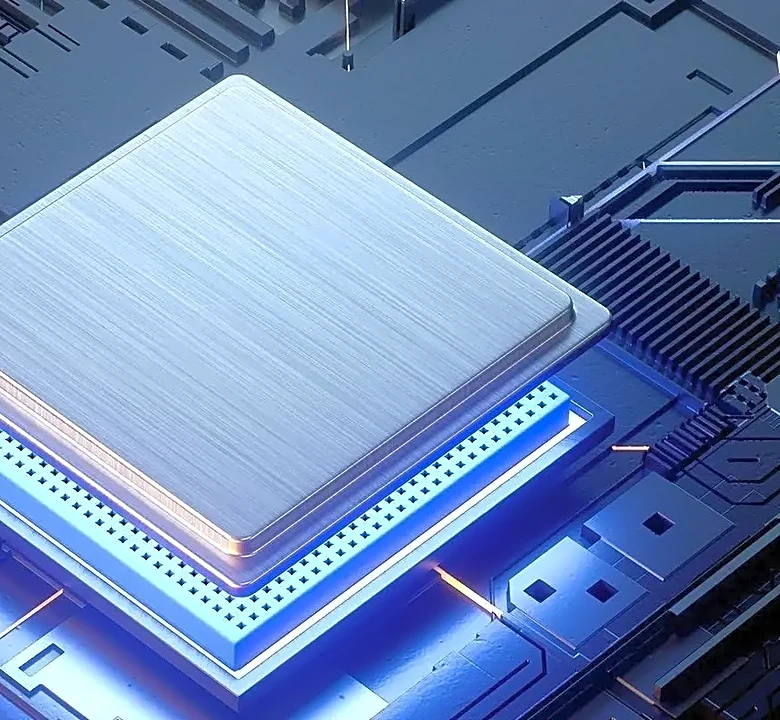
To understand the AI boom, you have to understand the hardware that powers it. At the heart of today’s most advanced artificial intelligence systems are Graphics Processing Units, or GPUs. Originally designed to render graphics for video games, these
chips proved to be exceptionally good at the kind of parallel processing needed to train large language models. Think of it this way: if a regular processor is a single, highly-skilled chef, a GPU is a massive kitchen filled with hundreds of cooks working on different parts of a recipe at the same time. This parallel power is what allows companies like OpenAI to process vast datasets and create models like GPT. As a result, demand for high-end GPUs has exploded. Altman himself has repeatedly emphasized that access to computing capacity is likely to be the scarcest resource for the AI industry over the next several years. This intense demand puts the primary supplier of these chips, Nvidia, in a uniquely powerful and challenging position.
Nvidia's Golden Bottleneck
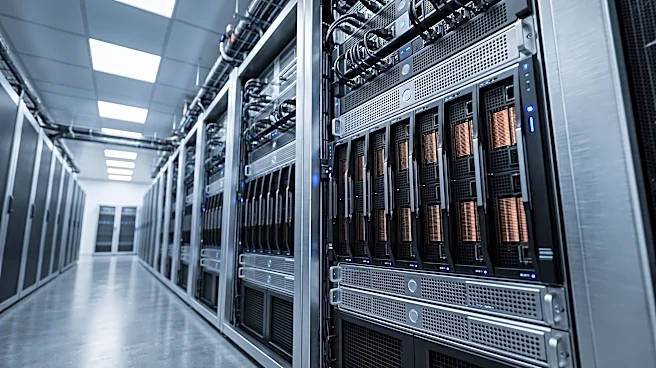
Nvidia isn’t just a player in the AI hardware market; for high-end training, it essentially is the market. The company’s CUDA software platform created a powerful ecosystem that is difficult for competitors to replicate, giving it a massive head start that it has yet to relinquish. This dominance means Nvidia has become the gatekeeper of the AI revolution. Its revenue has soared, with the company posting staggering growth as demand for its AI-focused chips continues to climb. However, this demand is now bumping up against the physical limits of production. Manufacturing advanced chips is a complex, resource-intensive process. Building a new fabrication plant takes years and billions of dollars. Key components, like the high-bandwidth memory (HBM) that feeds data to the processors, are also in short supply, with major producers reportedly sold out years in advance. This creates a bottleneck: the world wants more AI, but there’s a finite number of chips available to build it.
An Appetite for Trillions of Tokens
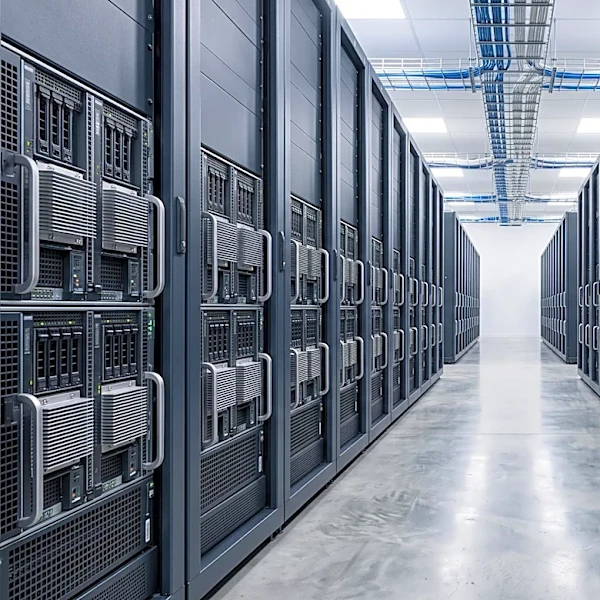
Sam Altman’s vision for the future of AI goes far beyond chatbots. He speaks of a future with artificial general intelligence (AGI), systems that can think and reason like humans, and personal AI agents for everyone. He has noted that the amount of compute a single person can consume is astonishing, with usage by top users skyrocketing from thousands to billions of 'tokens'—the units of information processed by AI models. To power this future, OpenAI has launched Project Stargate, an initiative to secure immense data center capacity, and Altman has even floated ideas of using AI-controlled robots to build the chip fabs and power plants of the future. He has identified the chip supply chain and data center infrastructure as the biggest constraints on AI's expansion over the next few years, a sentiment echoed by others in the industry. One estimate puts the cost of a single gigawatt of AI computing capacity at around $70 billion.
When Ambition Meets Supply
This is where the two stories collide. Altman is sketching out a future that requires a tidal wave of new computing power, while Nvidia and its supply chain can currently only provide a river. This dynamic has a few potential outcomes. It could intensify the race for alternatives, pushing companies to invest in competing chip designs or more efficient software. It also gives Nvidia incredible leverage, allowing it to essentially steer the direction of the industry through its partnerships and 'AI factory' business models. Recently, Altman has even cautioned that chipmakers might be overestimating near-term demand, as many suppliers seem to be planning their production assuming they will sell most of their chips to a very small number of buyers like OpenAI and Anthropic. This 'double counting' could create volatility, but the long-term trend remains clear: the hunger for compute is insatiable. The race to build AGI is also a race to build the physical world that can support it.