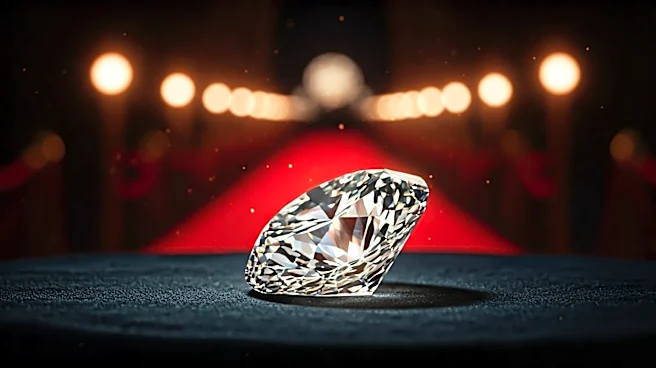








The Heist That Shocked the Riviera
Imagine this: It’s a sunny July morning in Cannes in 2013, just weeks after the film festival has wrapped. A lone man, wearing a baseball cap and a scarf over his face, walks into an exhibition of priceless jewels at the ultra-luxurious Carlton Hotel. He brandishes a semi-automatic pistol, stuffs a bag with 72 pieces of jewelry—including fist-sized diamonds and other gems—and walks out. The whole operation takes less than a minute. The estimated value of the haul? A staggering $136 million. This wasn't a scene from a movie being promoted at the festival; it was a real-life heist, one of the biggest in history. The stolen jewels belonged to the Israeli billionaire Lev Leviev. While the headline might suggest a single diamond, the reality is often
far more dramatic. This incident, along with a string of other high-profile thefts, exposed the incredible vulnerability lurking beneath the festival's polished exterior.
Why Bring Millions to the Beach?
The obvious question is: why would anyone bring jewelry worth more than a Monet painting to a crowded, chaotic festival on the French Riviera? The answer is pure business. For luxury jewelers like Chopard (the festival’s official partner), De Grisogono, and Cartier, Cannes is the world’s most effective advertising platform. Having an A-list star wear your necklace on the red carpet generates millions of dollars in media value and instantly elevates the brand. These aren't just loaner pieces for a photo op; they are marketing assets deployed in a high-stakes campaign. The festival is a concentrated hub of ultra-high-net-worth individuals, making it a prime location for private viewings and sales. The jewels are there to work, not just to sparkle.
Insuring the Uninsurable
When you’re dealing with assets that can be worth tens of millions of dollars apiece, standard insurance policies don’t apply. This is the world of specialty insurance, often brokered through Lloyd’s of London, where syndicates of insurers band together to underwrite risks too massive for any single company to handle. These are “all-risk” policies, meaning they cover everything except what is specifically excluded. After the 2013 heists, those exclusions became a major point of contention. Insurers began looking closely at a clause for “unexplained loss” or negligence. Was leaving $136 million in jewels in a hotel showroom, however upscale, with minimal security an act of negligence? The insurer for the Leviev heist initially refused to pay the full claim, arguing just that. The premiums for these policies are astronomical—often a significant percentage of the insured value—and they come with strict requirements, known as warranties, detailing everything from the type of safe used to the number of security guards required for transport.
The Fallout: GPS Trackers and Skyrocketing Premiums
The wave of thefts in the 2010s sent a shockwave through the intertwined worlds of luxury goods and insurance. The consequences were swift and expensive. Insurance premiums for covering fine jewelry at major events like Cannes and the Oscars skyrocketed. Underwriters began demanding security measures that sound like they're straight out of a spy thriller: armed guards for every transport, 24/7 surveillance, and the use of decoys. Some jewelers now embed GPS trackers inside less-valuable “sacrificial stones” within a collection, hoping that if a thief strikes, they’ll lead authorities to the entire stash. The days of a single person being responsible for a fortune in diamonds are over. Now, a complex, expensive, and largely invisible security and insurance apparatus underpins every single red carpet moment. The cost of that security and insurance gets baked into the price of every piece, a hidden tax on glamour paid by the end consumer.