

First Off, What's the Byline?
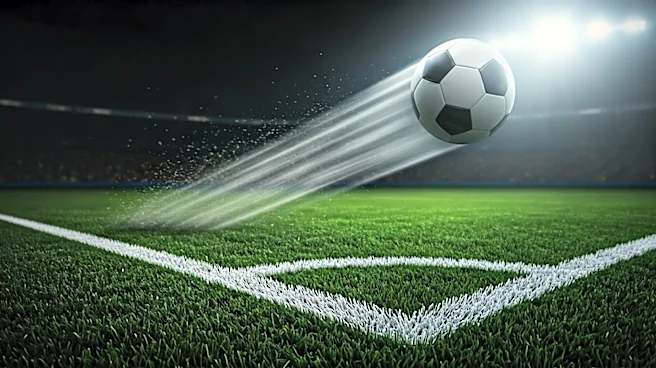
Let’s get the terminology straight. In soccer, the field is bordered by two touchlines (the long sides) and two goal lines (the short sides where the goals sit). The “byline” is simply another name for the goal line, specifically the portion of it running from the goalpost to the corner flag. When commentators talk about a player “getting to the byline,” they mean an attacker has successfully carried or received the ball in that narrow, deep channel right at the very edge of the playing area. It may look like a dead end, a place where the attacker has run out of options. In reality, it’s one of the most dangerous and strategically important zones on the entire field. Getting there is a primary objective for any elite attacking team, a sign that the defense
is about to be put under immense pressure.
The Defender’s Worst-Case Scenario
For a defender, an attacker with the ball on the byline is a nightmare. The entire defensive game plan is built on staying organized, keeping attackers in front of you, and protecting the central corridor leading to the goal. A player on the byline shatters that structure. Suddenly, defenders are forced to turn their bodies and face their own goal, a cardinal sin in defending. This simple act of turning creates several problems at once. First, they momentarily lose sight of both the ball and the other attacking players making runs into the penalty box. Second, it pulls them out of their disciplined defensive line, creating gaps for others to exploit. A center-back dragged wide to confront a winger on the byline is a center-back who isn’t in the middle to block a shot. The byline forces defenders to react, and a reacting defense is almost always a step behind an attacking one.
Putting the Goalkeeper in an Impossible Spot
The geometry of the situation is just as problematic for the goalkeeper. From the byline, the attacker has a very tight angle for a shot, but it’s not impossible. The keeper has to respect the near-post threat, positioning themselves to prevent being beaten by a surprise blast into the roof of the net. However, the primary danger isn't the shot; it's the pass. By committing to the near post, the keeper opens up the vast expanse of the six-yard box for a cross or, more lethally, a pass pulled back toward the penalty spot. They are caught in a classic bind: protect the post and leave the center open, or cheat toward the center and risk getting embarrassed by a direct shot. This split-second indecision is exactly what attackers are trying to create. The byline forces the keeper to guess, and in a game of inches, a guess is often wrong.
The Art of the Devastating Cutback
This leads to the single most effective play from the byline: the cutback. Instead of looping a high cross into a crowded box where defenders have a chance to head it clear, the attacker on the byline drills a hard, low pass backward, away from the goal and into the path of an onrushing teammate. Think of the chaos this creates. The defenders and goalkeeper are all retreating toward their own goal, their momentum carrying them in one direction. The cutback pass goes in the opposite direction, finding an attacker who is running onto the ball with a clear view of the goal. These are some of the highest-quality chances in all of soccer. The receiver is often unmarked, facing the goal, and shooting at a keeper who is out of position. Players like Raheem Sterling and Kevin De Bruyne built careers on the timing and precision of their byline cutbacks, turning a seemingly harmless position into a guaranteed goal-scoring opportunity. It’s a simple move born from a complex tactical advantage.