







The High-Stakes Illusion of Comfort
Every May, the world’s most famous actors, directors, and producers descend upon a relatively small corner of the French coast. The entire event is a performance of effortless elegance. From the premieres inside the Grand Théâtre Lumière to the marathon press junkets, the environment must be perfect. But perfection is anything but effortless. The festival's main venue, the Palais des Festivals et des Congrès, becomes an island of controlled climate battling a sea of heat. Outside, it’s the sunny Côte d'Azur. Inside, thousands of bodies, millions of watts from cinematic lighting, and acres of heat-generating equipment conspire to turn the world’s most glamorous building into a giant oven. For a film premiere to feel magical, the audience can't
be thinking about how sticky their seat is. This is where the unsung hero of Cannes comes in: a sprawling, meticulously engineered HVAC system.
The Three Impossible Demands
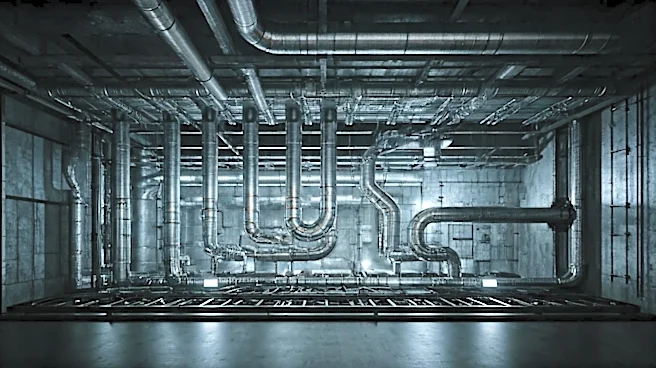
Keeping the Palais comfortable isn't as simple as cranking up the AC. The engineers behind the scenes are juggling a trio of challenges that would be a nightmare for any facility manager. First is the sheer thermal load. Imagine a 2,300-seat theater packed for a premiere. That’s 2,300 human beings, each generating the heat of a 100-watt lightbulb, plus the massive heat output from the stage and projection equipment. The system has to neutralize all that energy without creating a distracting arctic blast. Second, and perhaps more critically for a film festival, is the demand for silence. The HVAC system must be powerful enough to cool a small city, but quiet enough not to ruin the delicate sound design of a film. You can’t have the hum of a condenser unit drowning out a whispered line of dialogue in a potential Palme d'Or winner. This requires an incredible feat of acoustic engineering, with insulated ducts, vibration dampeners, and airflow designs that move massive volumes of air without making a sound. Finally, there's precision. The needs of the building change by the minute. A packed theater requires maximum cooling, while a nearby, sparsely populated press room needs a gentler touch. The system must be dynamic, with thousands of sensors feeding data back to a central command, allowing technicians to adjust temperatures zone by zone, ensuring A-listers in a private suite and journalists in a crowded hall are equally comfortable.
More Than Just Keeping Cool
Modern climate control at this scale is about far more than just temperature. It's about total environmental management. The air inside the Palais isn't just chilled; it's filtered, scrubbed, and precisely humidified. With thousands of people from all over the world congregating in enclosed spaces for two weeks, air quality becomes a public health issue. Advanced filtration systems are essential for removing dust, allergens, and airborne pathogens, creating a healthier and more pleasant environment for attendees who are often running on little sleep and a lot of stress. Humidity control is another subtle but crucial factor. Too much humidity makes the air feel sticky and oppressive, regardless of the temperature. Too little can lead to dry eyes and scratchy throats. Maintaining that perfect balance—typically between 40-60% relative humidity—is key to the feeling of invisible comfort that defines a luxury experience. It's an atmospheric sleight of hand; the best system is the one you never notice.
The Unsung Star of the Show
The Palais des Festivals has undergone significant renovations over the years, many of them focused on upgrading its environmental and energy performance. Today, it’s a high-tech “smart building” where sustainability and comfort go hand-in-hand. The modern system is designed to be as energy-efficient as possible, using sophisticated heat recovery and variable-speed technology to minimize its environmental footprint—a growing concern for an event of its global stature. It’s a world away from the simple air conditioners of the past. The system is a complex network of chillers, air handling units, and intelligent controls that represents the pinnacle of building science. It’s the invisible infrastructure that allows the multi-million dollar business of cinema, celebrity, and glamour to function without a hitch.