






The War for Every Inch
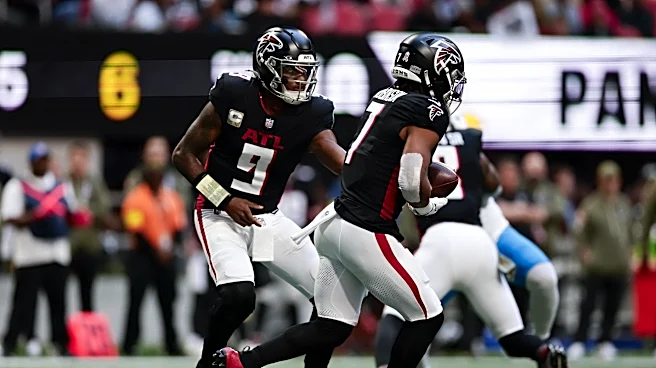
In a high-scoring football game, a punt is a commercial break. In a defensive slugfest, it’s a weapon. The true drama of a low-scoring game is often found not in the end zone, but between the 20-yard lines. Every play carries immense weight. That third-and-2 stop that forces a punt isn't a minor event; it's a colossal momentum shift. Watch the offensive and defensive lines. It's a violent, technical chess match on every single snap. A defensive end who consistently forces a quarterback to step up a half-second early is subtly dominating the game, even if he doesn't have a single sack. A punter who can consistently pin the opposing offense inside its own 10-yard line is a strategic genius, forcing them to play on a field tilted steeply against
them. These aren't failures of the offense; they are triumphs of the defense that create suffocating pressure.
The Midfield Chess Match
Nowhere is this truer than in soccer. A 0-0 score doesn't mean nothing is happening; it often means *everything* is happening at once, with two perfectly matched teams canceling each other out in a furious battle for control. Forget watching the ball for a minute and focus on the space. See how the midfielders move in concert, anticipating passes, closing down lanes, and denying the other team room to breathe. A perfectly timed slide tackle that snuffs out a budding counter-attack is as beautiful and impactful as a 30-yard goal. The constant probing, the shifting formations, the attempts to pull a single defender out of position—it’s a high-speed chess match played with feet and lungs. The tension comes from knowing that one slip, one moment of brilliance, will break the deadlock that both sides have spent the entire match fortifying.
The Goalie’s Psychological Duel
In hockey or soccer, a 1-0 game is often the story of two goaltenders engaged in a profound psychological war. Every save isn't just a physical act; it's a message. It tells the shooter, “Not today.” It tells their own team, “I’ve got you.” With each spectacular save, the goalie seems to grow larger in the net, while the goal itself seems to shrink for the opposing shooters. They start aiming for smaller spots, gripping their sticks a little tighter, second-guessing their shots. This is the hidden drama: watching a goalie single-handedly demoralize an entire offense. They are not just defending the net; they are defending the team's spirit. The lone figure weathering a storm of shots during a penalty kill is one of the most heroic sights in sports, a master of positioning, nerve, and sheer will.
The Crushing Weight of One Mistake
Perhaps the most intense aspect of a low-scoring game is the razor-thin margin for error. In a 45-42 basketball game, a single turnover is a footnote. In a 2-1 baseball game in the bottom of the ninth, a walk, a fielding error, or a wild pitch is the entire story. This is where the human drama thrives. Every player on the field is operating under the crushing knowledge that their one mistake could be *the* mistake that costs their team the game. This psychological burden creates an almost unbearable tension. It elevates the importance of focus, discipline, and execution. When the score is low, you're not just watching a game; you're watching a test of nerve. The team that wins is often the one that bends the least under the immense pressure of demanded perfection.