




The Vibe: Global Tradeshow vs. Indie Showcase
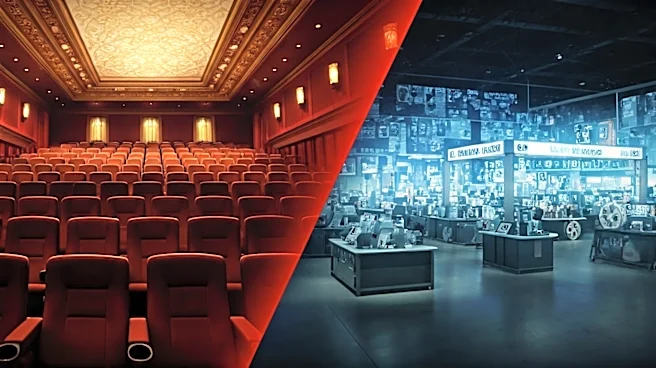
First, let's set the scene. The Cannes Film Festival, held in May on the glamorous French Riviera, feels like a massive, sun-drenched global summit. The business side, the Marché du Film, is one of the largest film markets in the world, with thousands of industry professionals from over 120 countries descending on the Palais des Festivals. It's a bustling, multilingual tradeshow where deals are done over rosé on yachts. Sundance, by contrast, takes place in January in the freezing, snow-covered mountain town of Park City, Utah. The dress code is parkas and snow boots. While it has a market, the festival’s primary identity is as a showcase for discovery. The vibe is less corporate tradeshow and more high-stakes treasure hunt, with everyone searching
for the next breakout independent film.
The Product: Unmade Ideas vs. Finished Films
This is the most crucial difference. The Cannes market is fundamentally a B2B platform for selling films at every stage of production. A huge part of the business at Cannes involves “pre-sales”—selling the distribution rights to a film that hasn’t even been shot yet. Producers arrive with a script, a famous director, and a movie star or two attached (a “package”). They use this package to sell rights to distributors in different countries, and that money then helps finance the actual movie. You can buy finished films at Cannes, but you can also buy the *idea* of a film. Sundance is the opposite. Its market is almost entirely focused on completed films. These are movies that are premiering for the first time at the festival. Filmmakers arrive with a finished product, hoping the buzz from a world premiere screening will ignite a bidding war among buyers.
The Deal: Proactive Packages vs. Reactive Bidding Wars
Because of the different products, the deal-making itself is completely distinct. At Cannes, the process is proactive and fragmented. A producer might spend two weeks in meetings, selling the German rights to one company, the Japanese rights to another, and the Latin American rights to a third. It’s a patient, complex jigsaw puzzle of international financing. Deals are often announced for films that won’t be seen for another year or two. Sundance is pure, frantic reaction. A small indie film might premiere on a Friday night to a standing ovation. By Saturday morning, acquisitions executives who were in the audience are on the phone, and a bidding war erupts. Deals are often struck overnight in high-pressure negotiations. The goal isn’t to finance a future film; it's to acquire a hot, finished product that everyone is suddenly talking about, like when Apple paid a record $25 million for "CODA" after its premiere.
The Players: International Distributors vs. U.S. Streamers
The buyers at each festival reflect their respective missions. Cannes’ Marché du Film is dominated by international distributors—the companies that buy films to release in theaters and on TV in their specific home countries. You’ll see executives from Germany, South Korea, the UK, and Brazil all looking for content that will work for their local audiences. While American companies are there, the market is truly global. At Sundance, the biggest sharks in the water are the U.S.-based distributors and, increasingly, the global streaming giants. Buyers from Netflix, Apple TV+, Amazon Prime Video, HBO, and specialized studio arms like Searchlight Pictures and A24 are all hunting for the next indie hit to populate their platforms or awards campaigns. Their focus is primarily on acquiring North American and worldwide rights, turning a small Utah premiere into a global streaming event.