






Myth: It's All Hostile Rivalry
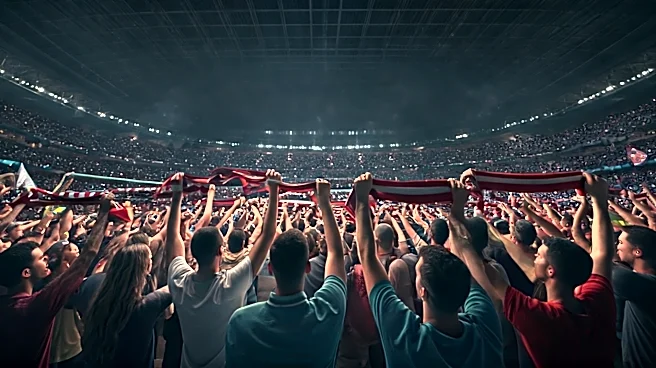
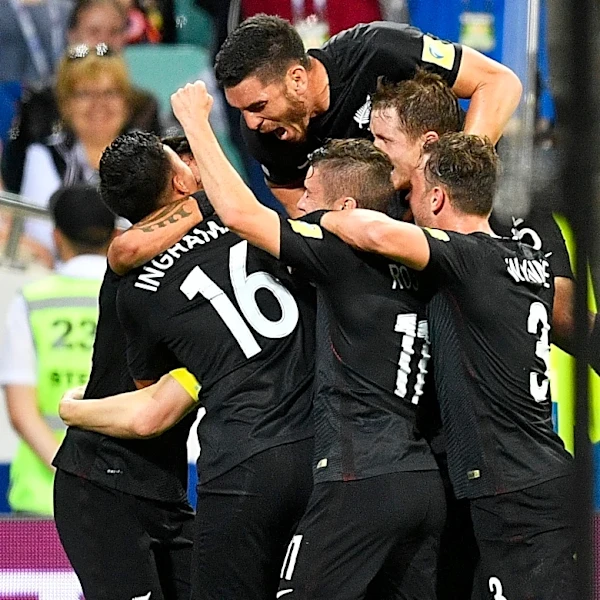
The enduring image of football fandom for some Americans is the specter of hooliganism—violent, hyper-nationalist mobs spoiling for a fight. While isolated incidents and intense rivalries certainly exist, this stereotype is woefully outdated for the modern World Cup. The reality is that a World Cup is a heavily securitized, globally televised mega-event. The atmosphere in and around the stadiums is overwhelmingly festive, not fearsome. Opposing fans routinely mingle, pose for photos together, swap scarves, and share a mutual respect born from the shared pilgrimage. The most common sound isn't a brawl; it's a mix of competing chants from fans of two nations, followed by a shared beer after the match, celebrating the simple fact they both made
it there. For every story of tension, there are a thousand untold stories of camaraderie.
Myth: Everyone Is a Die-Hard Native
We assume the fan in the Argentina jersey is from Buenos Aires and the one in the German kit is from Berlin. The truth is far more complicated. A significant portion of any World Cup crowd is made up of what you might call 'event tourists' or 'neutral fans.' These are global soccer aficionados, wealthy travelers, and corporate guests who have the money and desire to experience the world's biggest spectacle, regardless of who is playing. FIFA's ticketing system and the astronomical cost of travel and accommodation often price out the very working-class, die-hard fans from participating nations that we imagine make up the entire crowd. You're just as likely to meet an accountant from Ohio who loves the game or a tech worker from Singapore who booked a package deal as you are to meet a lifelong supporter from the actual country on the field.
Myth: The Atmosphere Is One Giant Party
The broadcasts certainly sell a non-stop carnival. While there's an undeniable energy and plenty of celebration, framing it as just a 'party' misses the deep emotional currents running through the crowd. For many, attending is the culmination of a lifelong dream, a quasi-religious pilgrimage that involves immense financial sacrifice and emotional investment. The mood isn't always joyous; it's thick with tension, anxiety, hope, and, frequently, crushing despair. A single goal can swing the collective atmosphere from agony to ecstasy in a second. Furthermore, the 'party' is heavily influenced by the host nation. The beer-soaked celebrations of Germany 2006 were a world away from the more controlled, alcohol-restricted environment of Qatar 2022, proving that the culture of the crowd is never static and always adapts to its surroundings.
Myth: The Fans Are Either Authentic or Corporate Props
There’s a cynical view that modern crowds are increasingly inauthentic, composed of corporate suits who got free tickets, or even 'paid fans' hired to create a manufactured atmosphere. On the flip side is the romantic notion of a purely organic, grassroots crowd. The reality lies in a fascinating middle ground. Corporate influence is undeniable, and swathes of the best seats do go to sponsors. However, the most vibrant and visually stunning elements of crowd culture—the massive coordinated banners (tifos), the relentless chanting, the seas of color—are often the work of highly organized, but entirely genuine, supporter groups. These are not paid actors; they are dedicated fans who spend months planning and fundraising to create the very spectacle that broadcasters and corporations then happily monetize. They are the engine of the atmosphere, a volunteer army of cultural creators operating within a heavily commercialized space.