





So, What Is It, Exactly?
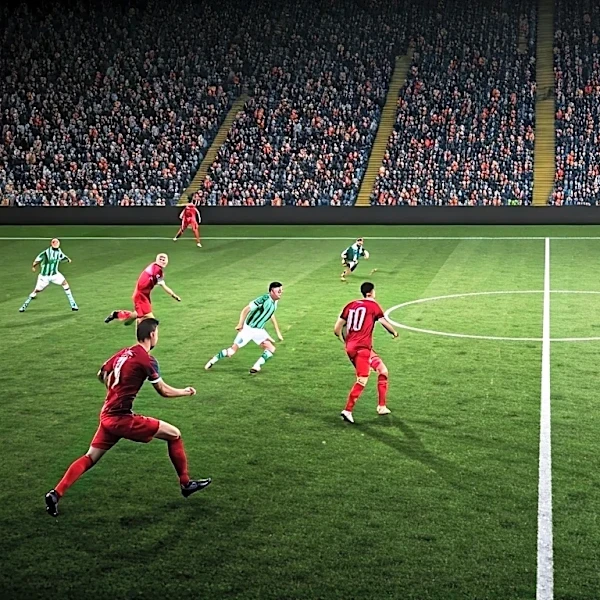
At its core, build-up play is the process of moving the ball from your defensive third of the field toward the opponent's goal in a controlled, deliberate manner. Think of it like a methodical, no-huddle drive in football. Instead of a quarterback launching a Hail Mary on the first down, the team uses a series of short, calculated passes to move the chains. In soccer, this involves defenders and midfielders passing the ball to one another, often starting with the goalkeeper, with the goal of advancing up the field as a cohesive unit. It’s the opposite of “hoofing it” long and hoping your star striker can win a 50/50 ball against two towering defenders.
The Goal Isn't Just Passing
If you only watch the ball, build-up play can look slow, boring, or even pointless. But the real
action is happening off the ball. The primary purpose of build-up play is to manipulate the other team. As the attacking team passes the ball, they force the defending team to shift, press, and react. The goal is to pull defenders out of their organized shape, creating pockets of space in more dangerous areas of the field. A successful build-up might involve ten passes at the back that do nothing but lure one or two opponents forward, opening up a passing lane to a creative midfielder who now has time and space to turn and attack. It’s a strategic game of cat and mouse, designed to create a high-quality scoring chance, not just any chance.
Playing Out From the Back
One of the most common—and riskiest—forms of build-up play is “playing out from the back.” This is when the goalkeeper, instead of booting the ball downfield after a save or on a goal kick, plays a short pass to a nearby defender inside their own penalty box. For a new fan, this can look like absolute madness. The ball is just a few feet from their own goal, with opposing forwards swarming in to pressure them. But this is the ultimate risk-reward tactic. If the defenders can successfully pass their way through this high press, they will have bypassed the opponent’s first line of defense and will find themselves with acres of space in the midfield to launch a devastating attack against an outnumbered and disorganized defense.
The High-Stakes Chess Match
Coaches who insist on this style, like Manchester City's Pep Guardiola, are essentially making a bet. They are betting that their players' technical skill and tactical understanding are high enough to overcome the opponent’s pressure. When it works, it’s beautiful to watch—a symphony of movement and precision that cuts through the opposition and results in a tap-in goal. But when it fails, it’s catastrophic. A single misplaced pass or a moment of hesitation in your own penalty area can lead directly to the other team scoring an easy goal. This is the drama of build-up play: it represents a team's core philosophy, a high-stakes commitment to control and creativity, where the line between genius and disaster is razor-thin. It’s a test of nerve as much as a test of skill.