







The Price Tag and the Place
Let’s get the number out of the way. Yes, a hotel suite overlooking the famed Boulevard de la Croisette in Cannes can cost upwards of $40,000 to $50,000 per night during the film festival. Hotels like the Carlton, the Martinez, and the Majestic see their rates multiply by ten or more. A room that costs $800 in the offseason can easily fetch $8,000 during the festival’s peak. Even a modest, non-sea-view room miles from the action can command four-figure prices. This isn't a new phenomenon. It's the result of a simple, brutal law of economics: supply and demand. Cannes is a small city with a finite number of hotel rooms. For twelve days, the global film industry—tens of thousands of producers, directors, actors, agents, distributors, publicists,
journalists, and hopefuls—descends upon it. Everyone needs a place to stay, and everyone wants to be as close to the Palais des Festivals, the festival’s nerve center, as possible. Proximity isn’t a convenience; it’s a currency.
It's Not a Vacation, It's an Office
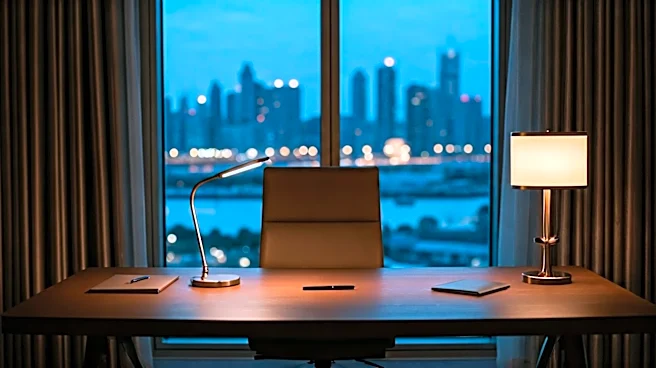
The key to understanding the pricing is realizing that for the people paying top dollar, the hotel room is not primarily for sleeping. For a major film studio or a powerful sales agency, a sprawling suite at the Carlton isn't a luxury; it's a strategic asset. It's a mobile headquarters, a high-impact billboard, a series of confidential meeting rooms, and a soundstage for press junkets all rolled into one. The balcony overlooking the Mediterranean isn't just for sipping rosé; it's the backdrop for an exclusive interview with Variety or The Hollywood Reporter that will be seen by millions. The living room hosts back-to-back meetings where multi-million-dollar distribution deals are hammered out. The ability to host a powerful producer or an in-demand actor in an impressive space, just steps from the red carpet, is part of the cost of doing business. When you’re trying to launch a film that cost $100 million to make, a $50,000 hotel bill starts to look like a rounding error in the marketing budget.
The Two Festivals: Art and Commerce
Many people think of Cannes as the glamorous, art-focused festival with its red carpets and Palme d'Or prize. But running concurrently, and in many ways driving the entire enterprise, is the Marché du Film—the film market. It is the largest and most important film market in the world, a frantic, global bazaar where movies are bought and sold. Producers arrive with scripts or short promos, seeking financing to get their movies made. Distributors arrive with checkbooks, looking for the next indie hit or international blockbuster to release in their home country. The Marché is where the commercial gears of the film industry grind at their loudest. The thousands of attendees for the market are the ones filling up the vast majority of hotels, apartments, and even yachts. They need to be there to make deals, and the price of admission starts with securing a place to operate.
A Pyramid of Price and Access
The Cannes economy is a rigid pyramid. At the top are the major studios and streaming giants (Netflix, Amazon) who book out entire floors of the best hotels, sometimes years in advance. Below them are the powerful independent companies and sales agents who secure prime suites for dealmaking. Further down are the mid-level producers and publicists staying in smaller rooms or apartments a short walk from the Croisette. At the bottom of the pyramid are the aspiring filmmakers, students, and journalists, often sharing tiny Airbnb rentals in neighboring towns like Antibes or Juan-les-Pins and taking the train in each day. Your address during the festival becomes a subtle, but clear, indicator of your status in the industry pecking order. The price of the room isn't just for a bed; it's for a spot on the ladder.