






The End of the Old Uniform
Let’s be honest: for as long as anyone can remember, male celebrity red carpet style has been a masterclass in playing it safe. The unspoken uniform for A-listers consisted of a beautifully tailored tuxedo, polished dress shoes, and one single, acceptable piece of flair: a staggeringly expensive timepiece. The watch was the ultimate masculine accessory—a symbol of precision, wealth, and classic taste. It was less a style choice and more a status signifier, a quiet nod to the luxury brands that keep the Hollywood ecosystem humming. Anything more—a flashy ring, a noticeable chain—risked being labeled gaudy or ostentatious. This rigid code ensured that, while their female co-stars underwent weeks of high-stakes fashion planning, the men could practically
roll out of bed, pick a tux, and be camera-ready. It was reliable, it was respectable, and frankly, it was becoming profoundly boring.
A Red Carpet Renaissance
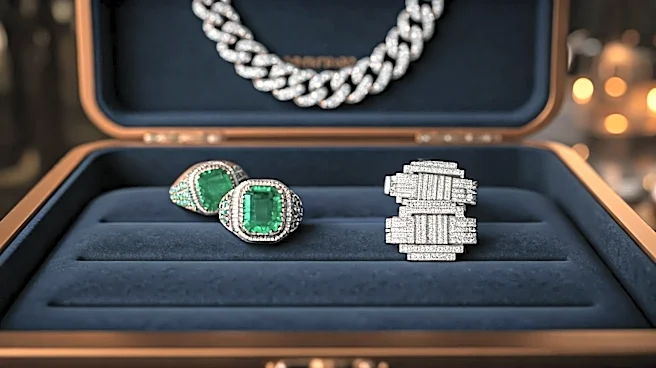
This year's stroll down the Croisette felt different. The memo seemed to have gone out: subtlety is out, and statement jewels are in. Suddenly, lapels, necks, and fingers were alive with personality. Chris Hemsworth, an actor typically associated with rugged masculinity, adorned his Tom Ford look with a dazzling trio of diamond brooches from Chopard. “Saltburn” star Barry Keoghan, a consistent red carpet disruptor, sported a vintage-inspired Burberry chain necklace that felt both punk and deeply elegant. French actor Raphaël Quenard pinned a stunning diamond and platinum bird brooch from Tiffany & Co. to his lapel, a piece so intricate it was a work of art in itself. These weren't just accessories; they were conversation starters. They were bold, often archival, and chosen with the same curatorial eye that a stylist typically reserves for a couture gown. The unexpected turn wasn't just *that* men were wearing jewelry, but the *kind* they were wearing: expressive, elaborate, and unapologetically front-and-center.
The Brooch Makes Its Comeback
If one piece of jewelry had a breakout moment, it was the brooch. Once relegated to your grandmother’s jewelry box or the regalia of state officials, the brooch has been staging a quiet menswear rebellion for a few years, championed by style icons like Timothée Chalamet. But at Cannes, it went fully mainstream. What makes the brooch so perfect for this new era? It’s a focal point. On the vast, dark canvas of a tuxedo lapel, a diamond, gold, or enamel brooch provides a singular point of interest and personality. It’s a nod to history—men have worn brooches for centuries—while feeling completely modern. For actors who want to signal a sophisticated, slightly adventurous sense of style without resorting to a brightly colored suit, the brooch is the perfect weapon. It’s a flash of brilliance that says, “I thought about this, and I have a point of view.”
Why Now? Blame the Culture Shift
This glittering transformation didn’t happen in a vacuum. It’s the culmination of several converging cultural trends. Firstly, the lines between “masculine” and “feminine” fashion have been joyfully blurring for years, thanks in large part to pop stars like Harry Styles and Bad Bunny, who have made pearls and pendants part of their everyday uniform. Their influence is trickling up to the more conservative world of A-list actors. Secondly, luxury brands are finally waking up to the fact that men represent a massive, underserved market for fine jewelry. By partnering with leading men, brands like Cartier, Boucheron, and Tiffany & Co. are reframing their products not as “women’s jewelry” but simply as beautiful objects for stylish people. Finally, in a hyper-visual, social media-driven age, a memorable red carpet moment is more valuable than ever. A unique piece of jewelry guarantees press, gets people talking, and helps an actor craft a distinct personal brand beyond their on-screen roles.