





The Coquette Invasion of the Croisette
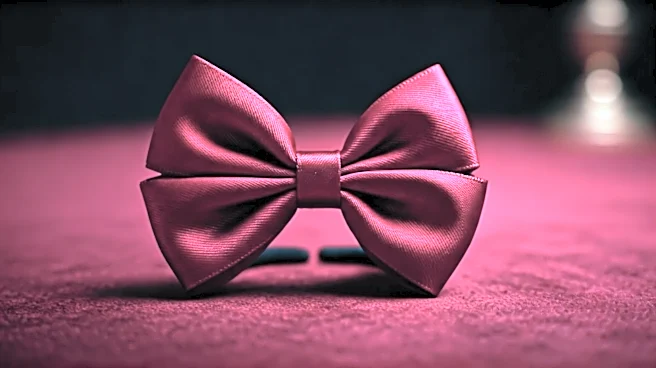
You couldn’t miss it. On the iconic red-carpeted steps of the Palais des Festivals, the hair bow was suddenly, overwhelmingly everywhere. Anya Taylor-Joy, a perennial style laureate, sported a perfectly placed ribbon. Hunter Schafer incorporated one into her avant-garde look. From established A-listers to rising stars, the accessory, long associated with schoolgirls and porcelain dolls, became the defining motif of the festival. It was the physical manifestation of “coquette-core,” the hyper-feminine, TikTok-fueled aesthetic that has dominated online fashion for the past year. But seeing it migrate from social media mood boards to the world’s most formal red carpet felt like a cultural crossover event. It was cute, it was viral, and for a moment,
it seemed like a refreshingly organic and accessible trend amidst the usual display of unattainable luxury.
From Organic Trend to Marketing Tactic
Of course, in 2024, nothing that viral stays organic for long. Behind every major celebrity’s red-carpet look is a small army: a stylist, a makeup artist, and, crucially, a hairstylist. And behind many of those hairstylists are lucrative contracts with major haircare brands. As soon as the bow trend began bubbling up, you can bet marketing teams at L’Oréal, Kérastase, and their competitors saw a golden opportunity. Cannes is a content goldmine. The brief is simple: get your product—be it a hairspray, a shine serum, or the bow itself—onto a celebrity, have the stylist tag your brand in an Instagram post, and reap the rewards of reflected glory. This is “sponcon” (sponsored content) in its most glamorous form. The plan was likely to seed specific, branded bows with key stylists, turning a charming trend into a measurable marketing campaign. On paper, it was flawless.
The Unexpected Problem of Too Much Success
Here’s where the turn nobody expected happened. The hair bow trend didn’t just simmer; it exploded. The aesthetic became so ubiquitous, so quickly, that it created a unique marketing paradox. When everyone from Anya Taylor-Joy to a C-list French actress to a gaggle of TikTok influencers are all wearing bows, how can any single *sponsored* bow stand out? A brand’s carefully placed, meticulously tagged satin ribbon was instantly lost in a sea of other, nearly identical ribbons. The organic wave was so massive it completely drowned out the manufactured ripples. For a brand that paid a top stylist thousands of dollars to feature their specific accessory, the return on investment became muddled. Instead of owning the moment, they became just another face in the crowd. The trend’s runaway success was, ironically, the sponcon’s biggest failure.
A Lesson in Modern Influence
The great Cannes bow-pocalypse of 2024 serves as a fascinating case study in the limits of top-down marketing in a bottom-up culture. In the past, a brand could create and control a trend. Today, trends move at the speed of the internet, often becoming too big for any single entity to own. The public, armed with their own feeds and algorithms, collectively decides what’s cool. Marketers are no longer the conductors of the orchestra; they’re just frantically trying to play an instrument loud enough to be heard over the glorious noise. The attempt to neatly package and sell the coquette aesthetic on the red carpet revealed a fundamental truth: authenticity, or at least the appearance of it, still wins. The most successful “bow moments” at Cannes felt personal and charming, while the ones that might have been sponsored simply blended into the background, becoming expensive, silky wallpaper.