
Myth: A Goalkeeper’s Job is 90 Minutes of Action
We remember the spectacular, physics-defying saves. Tim Howard’s record-breaking 16 stops against Belgium in 2014. Guillermo Ochoa’s superhuman dive against Brazil. These moments become iconic, defining
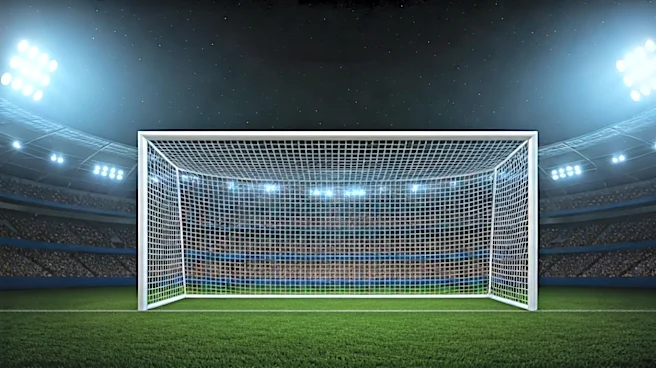
a keeper’s tournament. But the reality is that a goalkeeper’s game is 90% concentration and 10% action. For long stretches, they are the most isolated player on the field, a spectator with the best view in the house. The true pressure isn’t in the constant flurry of activity; it’s in the silence between the chaos. It's the ability to remain hyper-focused when the ball is 100 yards away, organizing the defense, reading the opponent's shape, and anticipating a threat that might not materialize for another ten minutes. Then, in a split second, they must switch from passive observer to explosive athlete. A lapse in concentration is more fatal for a keeper than for any other player. An outfielder can misplace a pass and recover; a keeper’s mistake is a goal.
Myth: Keepers Have the Easiest Physical Job
From a distance, it looks simple. They don’t have to cover seven miles a game like a midfielder. But the physical demands are of a different, more brutal kind. Goalkeeping is about explosive power. It’s about launching your body sideways with enough force to cover eight yards of goal, then instantly recovering to face a rebound. It’s about the courage to dive at the feet of a charging striker, knowing a collision with boots and bodies is inevitable. The training is a grueling cycle of plyometrics, reaction drills, and repetitive impact on joints. Every corner kick is a physical battle in a six-yard box crowded with giants. And while they may not run as much, the cognitive load is exhausting. Every second, they are calculating angles, judging flight paths, and making high-stakes decisions. This mental fatigue is just as draining as physical exertion, and at the World Cup, it’s unrelenting for weeks on end.
Myth: A Penalty Shootout Is a 50/50 Lottery
For the fan, a penalty shootout is pure, unadulterated tension—a coin flip. For the keeper, it’s a psychological chess match where they are the underdog expected to perform miracles. The odds are stacked against them; from 12 yards, a well-struck penalty is virtually unsavable. The pressure is almost entirely on the shooter, who is *expected* to score. This is where the keeper’s true mind games begin. They study shooters’ tendencies for days. They might point one way, delay their dive, or stand slightly off-center to play with the taker’s head. The goal is to introduce a sliver of doubt into the shooter’s mind. If the keeper saves one, they’re a hero. If they let in five, nobody really blames them. This strange, no-lose-but-everything-to-gain dynamic gives them a unique psychological platform. They are not just guessing; they are waging a one-on-one war of nerves, and a single save can immortalize them in their country’s history.
Myth: A Keeper’s Mistake Is Just a Moment
In the narrative of a World Cup, a goalkeeper’s error is never just a moment; it's a legacy-defining catastrophe. Think of Moacir Barbosa, the Brazilian keeper blamed for the 1950 World Cup final loss, who said he was punished for a single mistake for 50 years. Or England's Rob Green, whose fumbled shot against the USA in 2010 became a national punchline. Strikers can miss a dozen shots and redeem themselves with one goal. Defenders can get beaten and make a saving tackle later. But a keeper's blunder is final. It lives on in replays, in headlines, and in the collective memory of a nation. This is the ultimate weight they carry. Every time they claim a cross or face a one-on-one, they are not just playing against the opponent; they are playing against the possibility of a mistake that will follow them for the rest of their lives. It requires a specific, almost unnatural mental resilience to accept that risk and still perform with confidence.