







The Dress Comes First
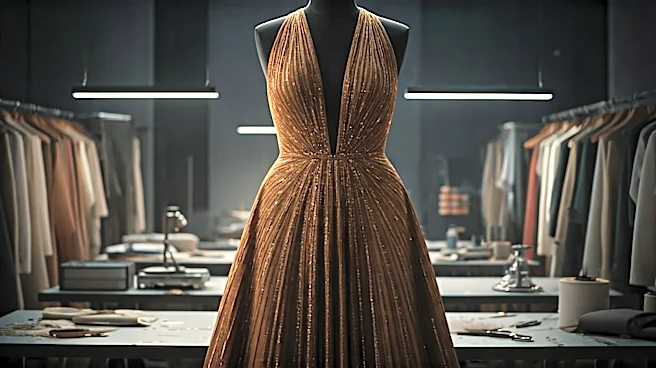
For the average person, shopping for a formal event means finding a dress that fits your body. For an A-list actress heading to Cannes, the process is often inverted: the body must be made to fit the dress. The journey frequently begins not with measurements, but with a single, priceless couture gown loaned from a major fashion house. These dresses, often one-of-a-kind pieces straight from the runway, are created in a standard “sample size”—typically a US size 0 to 4. This single garment becomes the anchor for a massive logistical effort. The actress doesn’t choose a dress that fits; she and her team accept the challenge of fitting into the dress chosen for her, a garment that represents a powerful branding opportunity with a global audience.
The Red Carpet Industrial Complex
Once a gown is secured, an entire ecosystem springs into action. This isn’t just about a last-minute diet; it’s a highly coordinated, professionally managed project. The team includes a powerful stylist who brokered the dress deal, a personal trainer tasked with sculpting the body to meet the gown’s specific demands, a nutritionist who designs a precise meal plan to reduce bloating and inflammation, and often dermatologists and facialists to ensure skin is flawless. Every element is controlled. The weeks and even months leading up to the festival are a tightly scheduled regimen of workouts, fittings, and restrictive eating. It's less about health and more about hitting a set of physical specifications dictated by a piece of fabric.
The Tyranny of the Sample Size
The sample size is the ghost in the machine of red carpet glamour. It’s a relic of the runway, where designers create a single prototype to showcase a look on a specific model archetype. When these gowns are loaned for red carpets, that same restrictive sizing often applies. While some designers are famously accommodating, many of the most coveted European fashion houses offer very little wiggle room. Alterations on a multi-thousand-dollar piece of couture are minimal and risky. The result is an industry standard that forces even naturally slender women into extreme measures. Stylists have spoken about the pressure to find actresses who fit the samples, and actresses have spoken about the pressure to contort their bodies to fit the clothes, creating a cycle where an unrealistic ideal is continuously reinforced.
The Physical and Mental Toll
While the end result is a stunning photograph, the process can be grueling. Actresses have alluded to pre-event diets that are less about nutrition and more about deprivation, sometimes involving little more than steamed fish and vegetables for weeks on end. Water-loading—a technique used by bodybuilders involving drinking vast amounts of water then stopping abruptly to achieve a “drier,” more defined look—is not unheard of. The intense focus on the body can take a mental toll, reducing an artist’s work to a single physical image. Every curve, angle, and perceived imperfection is scrutinized not just by the public, but by the team whose job it is to perfect the final “product” for the red carpet.
A Quiet Rebellion
Fortunately, cracks are appearing in the pristine facade. A growing number of actresses and stylists are pushing back. Stars like Florence Pugh have used fashion to make powerful statements about body autonomy, refusing to bow to criticism or hide their natural shape. Stylists who champion a wider range of body types are gaining prominence, and designers like Christian Siriano have built empires on the premise that beautiful clothes should be made for all women, not just a size 2. By either demanding custom pieces or choosing designers who celebrate different silhouettes, these figures are slowly challenging the unwritten rule that a woman’s body is the thing that needs to be altered. They are reminding the industry that the dress should serve the woman, not the other way around.