/images/ppid_a911dc6a-image-176847327253370696.webp)


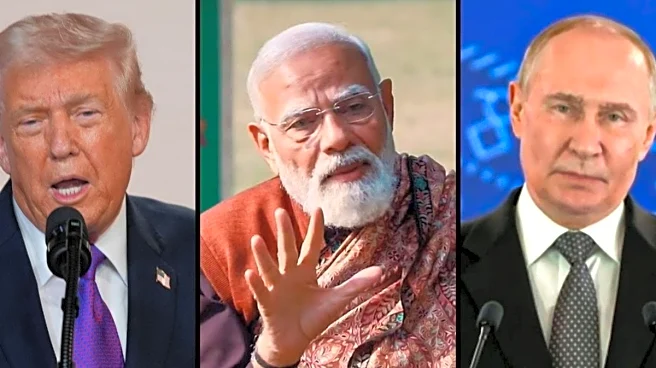
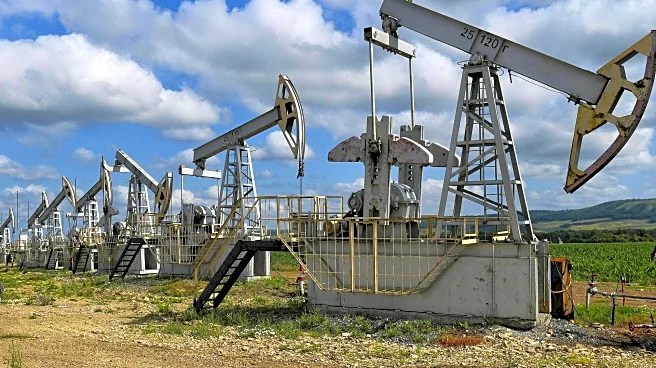
India’s purchases of Russian crude oil are expected to stabilize or decline further in January, raising the risk that more cargoes will remain stranded at sea as refiners adjust to mounting geopolitical
pressure and higher compliance risks.Ship-tracking data and people familiar with the matter suggest imports could remain below recent peaks after falling to a three-year low in December. Last month’s intake was roughly one-third lower than the June high, signaling a significant pullback by the world’s third-largest oil importer.The slowdown follows months of pressure from the US, which has accused India of indirectly supporting Russia’s war in Ukraine through oil purchases. Washington recently imposed punitive tariffs of up to 50% on Indian goods, and negotiations have yet to yield a trade agreement. The US is also weighing legislation that would impose sanctions on countries continuing to buy Russian hydrocarbons.As a result, India’s vast refining sector is reducing its reliance on discounted Russian crude. With fewer buyers willing to take sanctioned barrels, tankers carrying Russian oil are increasingly idling offshore. Vessel-tracking data shows at least a dozen tankers loaded with Russian crude anchored near Oman, some waiting since mid-December.“Russia remains a key part of India’s crude slate for now,” said Sumit Ritolia, lead analyst for refining and modeling at Kpler. “But procurement is becoming more opportunistic, more diversified and more compliance-sensitive as geopolitical risks intensify.”India imported about 1.3 million barrels per day of Russian crude in December, according to data from Kpler and Vortexa. January volumes are under pressure, with purchases likely to plateau at lower levels. Kpler estimates imports could range between 1.2 million and 1.4 million barrels per day this month, though actual volumes may fall short of that range.To offset reduced Russian supply, Indian refiners are turning to costlier alternatives from the Middle East, West Africa and Latin America. Saudi Arabia’s shipments to India are higher than usual this month, while Indian Oil Corporation has made rare purchases of Ecuadorian crude for late March delivery. The company has also issued tenders seeking sour crude grades similar to Russia’s Urals blend.Refiners are also holding back from Venezuelan crude purchases until there is clarity on sanctions compliance, according to people familiar with the matter.India’s foreign ministry said the country’s energy strategy is shaped by global market dynamics and the need to ensure affordable supplies for its population of 1.4 billion. Officials emphasized that these factors will continue to guide India’s engagement with international energy markets.With Russia’s largest oil producers under sanctions, the fate of floating Urals cargoes remains uncertain. Outside of China, few buyers are willing to openly challenge US-led restrictions. Despite being priced at roughly an $8-a-barrel discount to Brent, the risk attached to the grade is proving increasingly difficult to justify for many refiners.
/images/ppid_a911dc6a-image-177069103696049438.webp)



/images/ppid_59c68470-image-177060253296527544.webp)

/images/ppid_59c68470-image-177044752816631003.webp)
/images/ppid_59c68470-image-177060506336869108.webp)

/images/ppid_59c68470-image-177064754954424074.webp)
/images/ppid_59c68470-image-177046255390026736.webp)