New
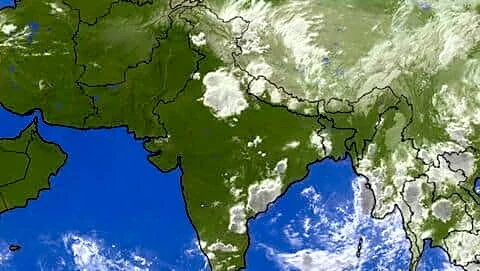
Delhi: Already dealing with energy issues caused by the crisis in West Asia, India’s economy is facing another major threat: a 'below normal monsoon.' The India Meteorological Department (IMD) on Friday lowered its previous forecast, warning that there is a high chance of "deficient" rainfall - essentially a drought year.
The Forecast in Simple Terms
The IMD now expects monsoon rainfall between June and September to be just 90% of the Long Period Average (LPA), down from the 92% they predicted in April. There is now a 60% chance that rainfall will drop below 90% of the LPA.
Also Read: Will It Rain In Delhi This Weekend? IMD Issues Latest Weather ForecastThis lack of rain won't just hurt farming. It will also:
- Drain water reservoirs
- Lower groundwater levels
- Reduce hydro-power electricity production
The Blame Lands on "El Niño"
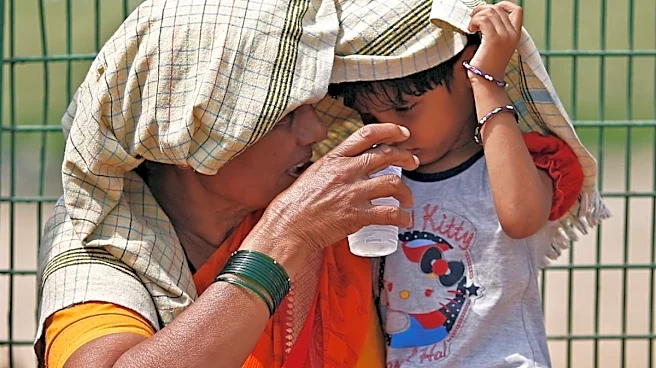
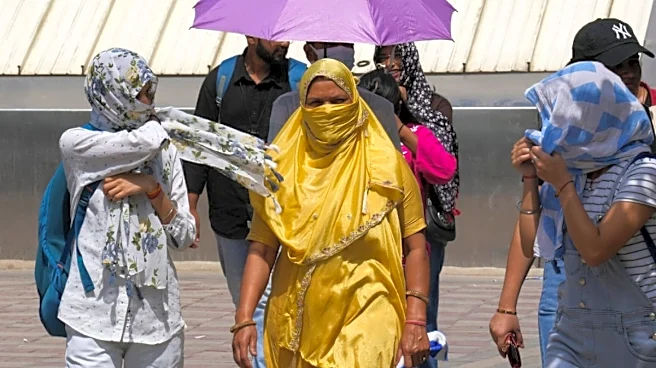
The IMD blames this shift on El Niño - a climate pattern where ocean waters in the Pacific warm up, usually bringing scorching summers and weak monsoons to India.Because of this, June is expected to be incredibly hot. The IMD predicts "above normal" heatwave days for several states, including Uttar Pradesh, Haryana, Punjab, Bihar, Odisha, Chhattisgarh, Gujarat, Andhra Pradesh, Maharashtra, Telangana, Himachal Pradesh, and Tamil Nadu. On the bright side, Rajasthan and Jharkhand might see fewer heatwaves than usual."The latest climate model forecasts indicate that El Niño conditions are likely to develop during the southwest monsoon season," said IMD chief Mrutyunjaya Mohapatra.He noted that El Niño will start weak in June, become moderate in July and August, and turn strong by September, affecting the entire rainy season.
Delayed Rains, Delayed Crops
The monsoon might also be late. While the IMD previously thought the rains would hit Kerala by May 26, they now expect it to arrive sometime within the next week.A delayed monsoon, combined with poor rainfall, means farmers will have to wait to plant their crops. This is a massive problem because more than half of India’s farmland relies entirely on rain. The "monsoon core zone" - which covers central and western India - is expected to bear the brunt of the dry spell, which will drastically cut down crop planting and final harvests.The timing couldn't be worse. The ongoing conflict in West Asia has already made essential farming supplies like diesel and fertilizers expensive and hard to get. Combined with a weak monsoon, these rising costs are putting immense pressure on rural communities, threatening to slow down India’s overall economic growth this year.
/images/ppid_a911dc6a-image-178011082631315877.webp)

/images/ppid_59c68470-image-17799875350212177.webp)


/images/ppid_a911dc6a-image-178003286555380592.webp)