


/images/ppid_59c68470-image-178454006303676013.webp)

/images/ppid_a911dc6a-image-178460363008378607.webp)
The Growing Problem of Space Junk
Imagine a highway with no speed limits, no exits, and where broken-down cars are left to drift forever, traveling at over 28,000 kilometres per hour. That’s the reality of low-Earth orbit (LEO). For decades, we have been launching objects into space,
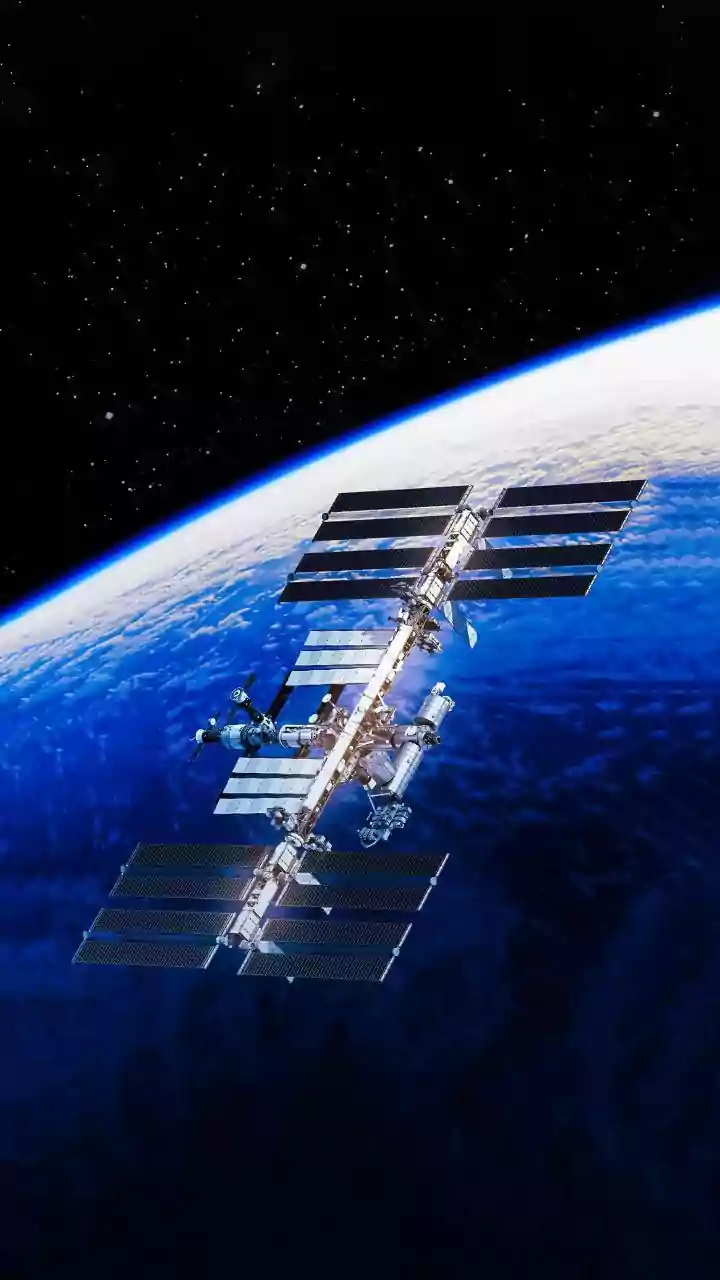
and many of them, from defunct satellites to spent rocket stages, remain there. This orbital debris poses a catastrophic risk to active satellites, future launches, and even the International Space Station. A collision with a piece of junk no bigger than a marble could disable a multi-million-dollar spacecraft. As companies like SpaceX build mega-constellations with thousands of satellites, the problem is set to accelerate exponentially, turning vast regions of space into a high-speed minefield.
Designed for Disposal
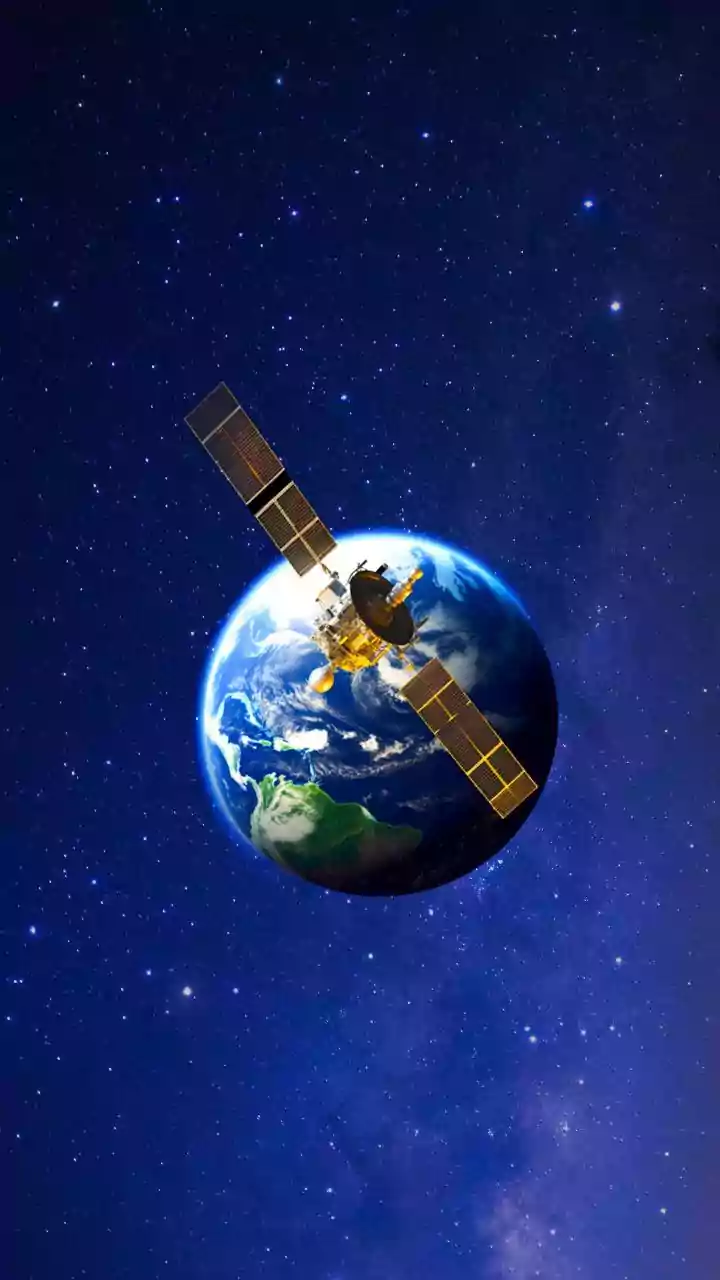
From the very beginning, SpaceX's Starlink project, which aims to provide global internet coverage, was designed with the end in mind. The satellites have a planned operational lifespan of about five to seven years. This is not a flaw but a feature, allowing for rapid technological upgrades. Critically, each satellite is built for what engineers call “demisability.” This means it is designed to completely burn up and disintegrate upon re-entering Earth’s atmosphere, leaving no large pieces to hit the ground. Furthermore, every satellite is equipped with its own propulsion system—Hall-effect thrusters using krypton or argon gas—which gives SpaceX the ability to control its altitude and, crucially, to command it to come home at the end of its life.
The Controlled Descent
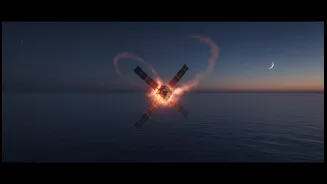
When a Starlink satellite is retired, it doesn't just fall out of the sky. Operators on the ground send a command to initiate the deorbiting sequence. Using its last reserves of propellant, the satellite fires its thrusters to lower its orbit, beginning a months-long, carefully managed descent. As it gets closer to Earth, the planet’s atmosphere begins to do the heavy lifting. The thin air at high altitudes creates drag, which gradually slows the satellite down, causing its orbit to decay faster. In the final stages of its descent, SpaceX can even use the satellite's large solar arrays like wings, adjusting their angle to increase or decrease atmospheric drag to steer the craft with remarkable precision. This active control is maintained to a very low altitude, ensuring the re-entry is predictable.
Aiming for the Spacecraft Cemetery
While Starlink satellites are designed to fully vaporise, SpaceX employs a “belt-and-suspenders” safety approach. The company aims the re-entering satellites at a specific, remote location in the South Pacific Ocean. Known informally as the “spacecraft cemetery,” this region is centered on Point Nemo, the oceanic pole of inaccessibility—the place on Earth farthest from any land. This area is clear of shipping routes and human populations, making it the safest place for any potentially surviving fragments to splash down. This is the same watery graveyard used for enormous spacecraft like the Russian Mir space station and is the planned final resting place for the International Space Station. By targeting this zone, SpaceX goes beyond regulatory requirements to minimise risk.
A Proactive Approach to a Crowded Sky
SpaceX’s strategy of active deorbiting stands in stark contrast to the legacy problem of space junk. Many older satellites from other operators were launched without any propulsion for disposal. When they fail, they become uncontrollable debris, doomed to orbit for decades or even centuries until their orbits naturally decay. SpaceX, which deorbits hundreds of its satellites annually, is actively preventing its massive constellation from contributing to this long-term problem. The company’s disposal reliability rate exceeds 99%, far surpassing the 90% benchmark some regulators have suggested. This proactive lifecycle management is becoming a crucial selling point, demonstrating to regulators and other space actors that operating a mega-constellation can be done responsibly.
Lingering Questions for a Cleaner Future
Despite these measures, the rapid growth of mega-constellations is not without concern. While controlled re-entry prevents solid debris, the process of vaporising thousands of satellites injects particles, including aluminum oxides, into the upper atmosphere. Scientists are actively studying how this atmospheric pollution could affect the ozone layer and the planet's climate over the long term. The sheer number of active satellites—even with automated collision avoidance—also increases traffic in LEO, requiring constant vigilance. As the space economy grows, the balance between innovation and environmental stewardship, both in orbit and in our atmosphere, will remain a critical conversation.
/images/ppid_a911dc6a-image-178470506326656394.webp)

/images/ppid_a911dc6a-image-178471444785776853.webp)





/images/ppid_a911dc6a-image-178473123962318276.webp)



/images/ppid_a911dc6a-image-178473622784135638.webp)