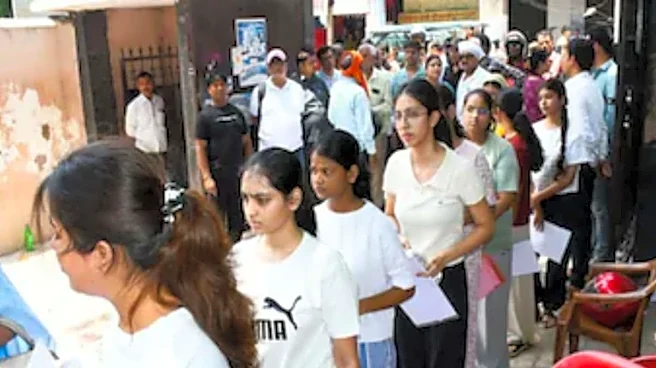
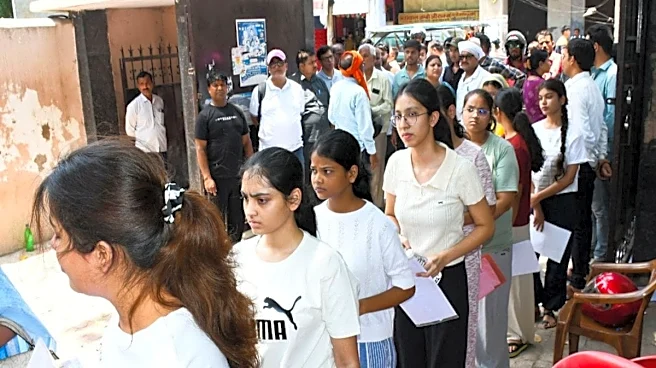
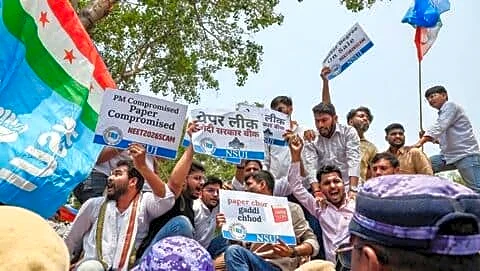
The cancellation of NEET-UG 2026 has once again pushed India’s examination system into crisis mode. On Tuesday, the National Testing Agency (NTA) scrapped the medical entrance exam conducted on May 3 after allegations of a paper leak surfaced, triggering protests, political attacks and a fresh CBI probe. For lakhs of students, it was deja vu.Just two years after the NEET-UG 2024 controversy and the abrupt cancellation of UGC-NET 2024, another national-level examination has collapsed under the weight of alleged malpractice. Questions that students, parents and courts were asking in 2024 are back in 2026: How are papers leaking despite “high-security” systems? Why are exam mafias still thriving? And why does accountability remain elusive?India
has witnessed four major national-level entrance examinations being cancelled or re-conducted due to mass cheating allegations since 2000:
- 2015: AIPMT cancelled after large-scale cheating racket
- 2024: UGC-NET cancelled over integrity concerns
- 2024: NEET-UG controversy triggered nationwide protests and legal scrutiny
- 2026: NEET-UG cancelled over alleged paper leak
Notably, all four incidents occurred during the current Union government’s tenure.The latest NEET cancellation comes amid growing criticism over the handling of competitive examinations. Students and opposition leaders have pointed to a string of disruptions in the medical examination ecosystem itself:
- NEET UG 2026: Cancelled due to alleged paper leak
- NEET PG 2025: Eligibility percentile reportedly reduced to zero across categories
- NEET SS 2025: Counselling process delayed for months
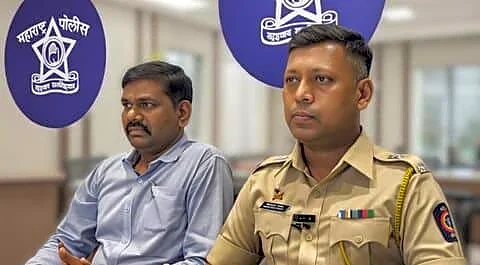
The pattern has intensified fears that India’s examination infrastructure is becoming increasingly vulnerable.According to the NTA, the NEET-UG 2026 cancellation followed inputs from central agencies and findings shared by law enforcement authorities suggesting that “the integrity of the examination process may have been compromised.” The government has now handed the matter to the CBI for a comprehensive probe. The crisis mirrors what happened in June 2024, when the Centre abruptly cancelled UGC-NET just a day after the examination. The Education Ministry had then cited inputs from the Indian Cyber Crime Coordination Centre indicating that the exam’s integrity “may have been compromised.” Ironically, a later CBI investigation reportedly found that the evidence behind the alleged UGC-NET leak had been doctored. That contradiction exposed a deeper problem: even suspicion of a leak is now enough to collapse trust in India’s examination system.
The Rise Of The 'Exam Mafia'
Over the last five years, paper leak allegations have spread far beyond elite entrance tests. Recruitment exams, board exams, nursing entrance tests and state-level competitive papers have all faced disruption.
In 2025 alone:
- The UKSSSC graduate-level recruitment exam in Uttarakhand was cancelled after question papers allegedly leaked from a Haridwar centre, affecting over one lakh candidates.
- Assam cancelled remaining HS First Year examinations after reports of leaked question papers and tampered packets.
- Jharkhand cancelled Class 10 Hindi and Science exams after questions reportedly matched leaked papers “word by word.”
- Himachal Pradesh scrapped its Class 12 English examination after sealed packets were allegedly opened before schedule.
- Odisha’s ANM nursing entrance exam was cancelled just hours before commencement following leak allegations.
The recurring pattern has strengthened concerns around organised cheating networks operating across states, often with alleged links to coaching centres, local officials, printing units and middlemen.
The Human Cost
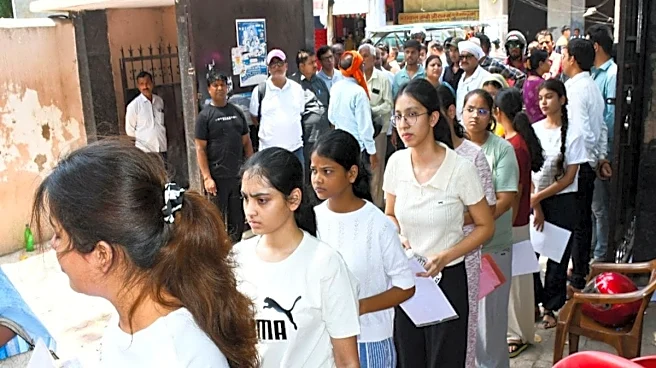
For students, every cancellation means months, sometimes years, of uncertainty. Aspirants often spend entire gap years preparing for a single examination. When papers leak, they are forced back into preparation cycles, delayed admissions, postponed counselling rounds and mental stress.
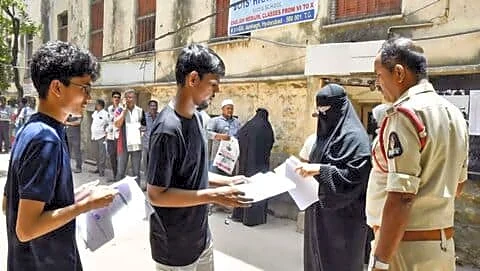
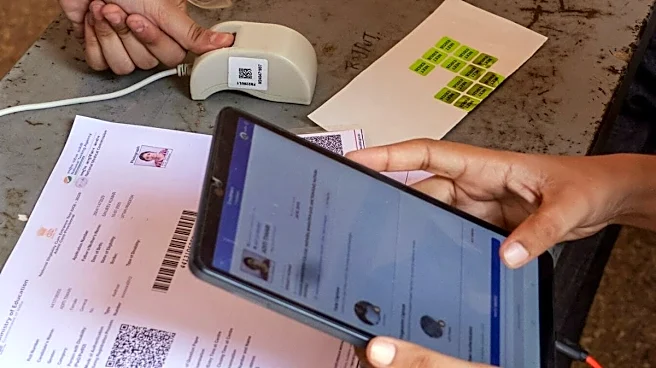
The economic cost is equally massive.Conducting national-level examinations involves thousands of centres, transport logistics, security personnel and digital infrastructure. Re-examinations place an additional burden on government resources while also triggering court cases and investigations.In the case of NEET-UG 2026, lakhs of students who had already endured one of the country’s toughest entrance tests are now staring at another attempt within weeks. India’s hyper-competitive examination culture has also created an enormous black market around question papers. For many families, cracking exams like NEET, UPSC, SSC or state recruitment tests represents a life-changing opportunity. That desperation fuels illegal networks promising guaranteed ranks for huge sums of money.Even as authorities tighten surveillance, leak methods keep evolving, from Bluetooth devices and hidden earpieces to encrypted WhatsApp circulation and solver gangs operating remotely.
A Crisis Of Trust
The bigger crisis now may not just be leaks, but credibility.Each cancellation chips away at public trust in institutions meant to conduct fair examinations. Students increasingly fear that hard work alone may no longer guarantee success in a system repeatedly rocked by irregularities.Social media reactions after the NEET-UG 2026 cancellation reflected that anger, with many users questioning how “high-security” exams continue to leak year after year. For India’s millions of aspirants, the demand is no longer just for re-exams or probes. It is for a system they can trust again.
/images/ppid_a911dc6a-image-177859762831510674.webp)





/images/ppid_a911dc6a-image-177858814433421939.webp)