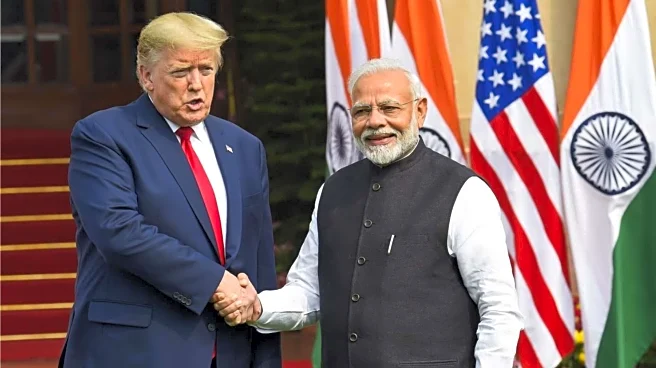
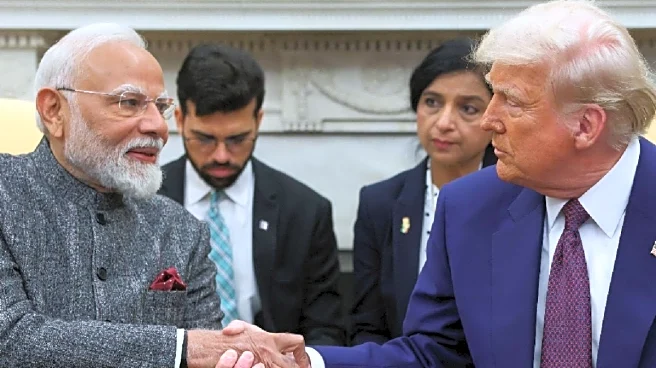
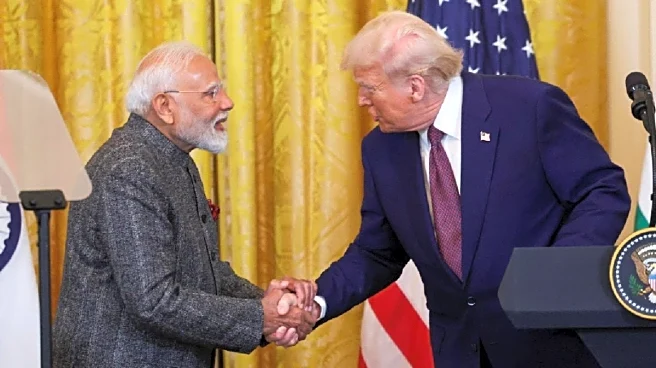
India and the United States on Saturday announced that they have reached a framework for an interim trade agreement. Under this, the US will reduce tariffs on Indian goods to 18 per cent from the earlier 50 per cent. In the agreement, India has fully protected sensitive agricultural and dairy products such as maize, wheat, rice, soya, poultry, milk, cheese, ethanol (fuel), tobacco, certain vegetables and meat, as no duty concessions have been granted to the US on these goods under the trade agreement, said Commerce Minister Piyush Goyal. In other Free Trade Agreements (FTA) also, India has not extended any import duty concessions on sensitive agri and dairy products. India has recently finalised FTAs with the European Union, the UK and Australia."The
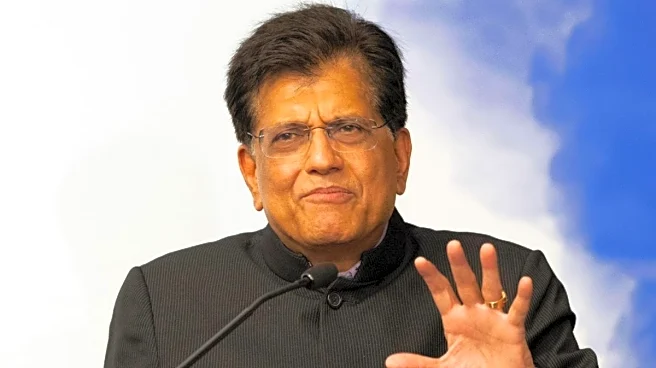
agreement reflects India's commitment to safeguarding farmers' interests and sustaining rural livelihoods by completely protecting sensitive agricultural and dairy products, including maize, wheat, rice, soya, poultry, milk, cheese, ethanol (fuel), tobacco, certain vegetables and meat," Commerce and Industry Minister Piyush Goyal said in a social media post. These goods are sensitive as it involves the livelihood of small and marginal farmers of the country.
India Protects Sensitive Agri Sector
India's agriculture sector is currently protected by moderate to high tariffs or import duties and regulations to shield domestic farmers from unfair competition. India maintains a tariff structure ranging from zero to 150 per cent to protect its agricultural sector. Opening up a sector means reducing import curbs and duties. Let's understand why India has historically protected its agriculture and dairy sector.
Why Agriculture is a Sensitive Sector for India
Agriculture and allied activities such as animal husbandry, form the backbone of India's rural economy, providing employment to over 700 million people. Unlike in developed economies, where agriculture is highly mechanised and corporatised, in India, it is a livelihood issue. Granting import duty concessions in agriculture for companies of developed countries that heavily subsidise their farmers would mean an influx of cheap food grains and products into India. It would severely impact Indian farmers' incomes and livelihoods.According to media reports, over 90 per cent of global food trade is controlled by about five multinational corporations that have historically used predatory pricing strategies. A predatory pricing strategy is a dominant player setting prices below cost to drive out competitors and new entrants, and gaining a monopoly. If India reduces protection, domestic farmers could be at the mercy of these global giants, leading to severe political and economic consequences.
According to a report, in 2024, US agricultural exports stood at USD 176 billion, accounting for about 10 per cent of its total merchandise exports. With large-scale mechanised farming and heavy government subsidies, the US and other developed countries view India as a lucrative market to expand their exports. The US agri exports to India were USD 1.6 billion in 2024. Key exports include -- Almonds (in shell - USD 868 million); Pistachios (USD 121 million), Apples (USD 21 million), Ethanol (ethyl alcohol - USD 266 million).
https://youtu.be/88QfTpXtf3o?si=HujxhrJModa4C83o
Trade experts have stated that the US provides massive subsidies to its farm sector and in fact in some years, the subsidy level exceeded 50 per cent of production value for certain products, such as: Rice (82 per cent), Canola (61 per cent), Sugar (66 per cent), Cotton (74 per cent), Mohair (141 per cent), Wool (215 per cent).
India Eyes Big Export Target
In FY 2025, India's total agricultural exports increased to over USD 51 billion from USD 45.7 billion in 2023-24, with a portion of this going to the US (USD 5 billion). India's total exports in FY25 were USD 437 billion. India aims to reach USD 100 billion in combined exports of agriculture, marine products and food and beverages in the next four years. The main exports include tea, coffee, rice, some cereals, spices, cashew, oil meals, oil seeds, fruits and vegetables.
/images/ppid_a911dc6a-image-177043890097897507.webp)


/images/ppid_a911dc6a-image-177035565485072664.webp)



/images/ppid_a911dc6a-image-177044663332666581.webp)
/images/ppid_59c68470-image-177060506336869108.webp)

/images/ppid_59c68470-image-177060756327762255.webp)

/images/ppid_59c68470-image-177038006760864529.webp)