The
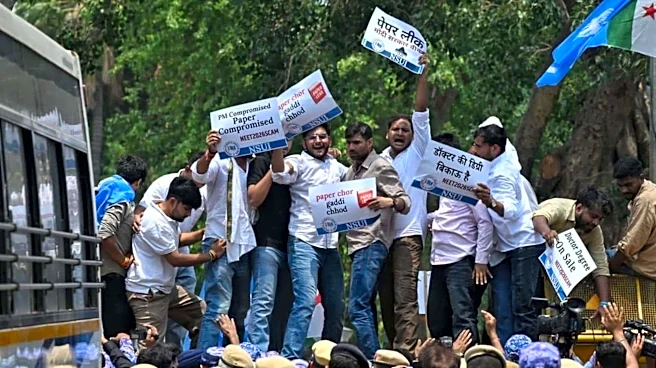
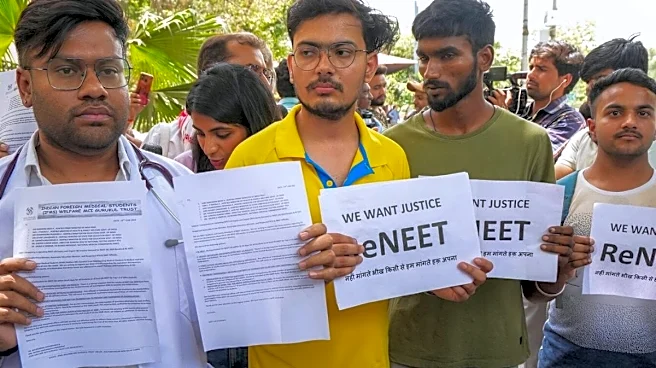
United Doctor’s Front has approached the Supreme Court of India, challenging the functioning of the National Testing Agency in conducting NEET-UG 2026. In its petition, the organisation alleged a “systemic failure” in the examination process and sought directions to the Union government to dissolve the NTA. It has also urged the court to direct Parliament to establish a statutory national testing body with defined legal powers, transparency mechanisms and direct accountability to the legislature.The plea further sought the appointment of a court-monitored committee to oversee the transition of upcoming national examinations and ensure “zero-leak” integrity in the conduct of exams.
Allegations Of Systemic Compromise
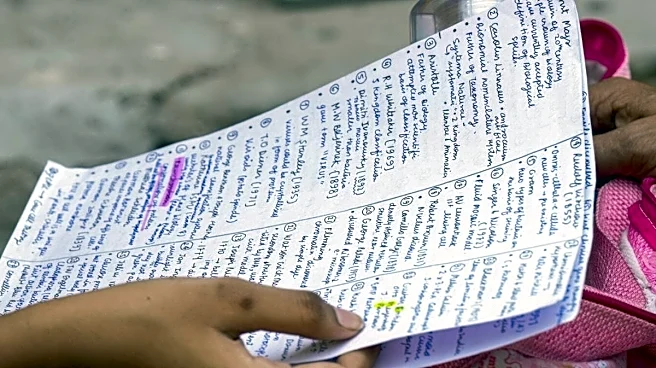
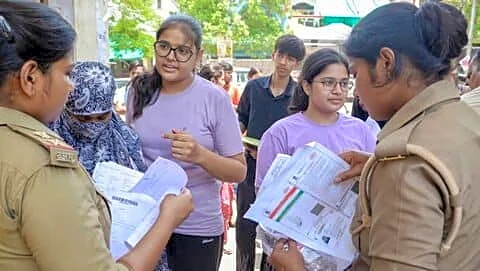
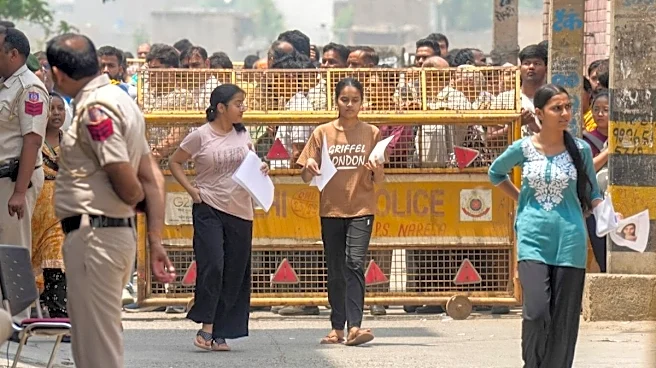
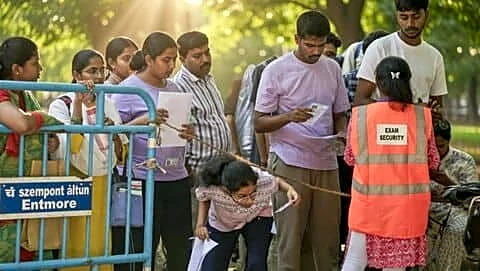
The petition alleges that NEET-UG 2026, held on May 3 for around 22.7 lakh candidates, was compromised by an organised “guess paper” racket operating through WhatsApp and Telegram groups across several states.Citing investigations by the Rajasthan Special Operations Group and a subsequent Central Bureau of Investigation FIR, the plea argues that the integrity of the examination was undermined at a systemic level.
It further claims that despite multiple security measures, including biometric verification, GPS tracking and AI-enabled CCTV monitoring, examination material was leaked nearly 42 hours before the test. According to the petition, the later cancellation of NEET-UG 2026 effectively amounted to an acknowledgement by authorities that genuine candidates could no longer be distinguished from those who allegedly benefited from the leak.
‘Accountability Vacuum’ And Constitutional Concerns
The United Doctor’s Front has argued that the National Testing Agency functions within an “accountability vacuum” because, as a registered society, it is not directly answerable to Parliament like constitutional or statutory bodies such as the UPSC or SSC.
The petition claims that repeated examination leaks violate Articles 14 and 21 of the Constitution by weakening merit-based selection and causing immense stress, uncertainty and mental trauma to students.It also cites observations made by the Supreme Court of India during the 2024 NEET controversy, along with recommendations of the K. Radhakrishnan Committee, which reportedly called for stronger safeguards, reduced outsourcing and a gradual shift towards computer-based examinations.
/images/ppid_a911dc6a-image-1778917429563677.webp)




/images/ppid_a911dc6a-image-177886804526555904.webp)