India's
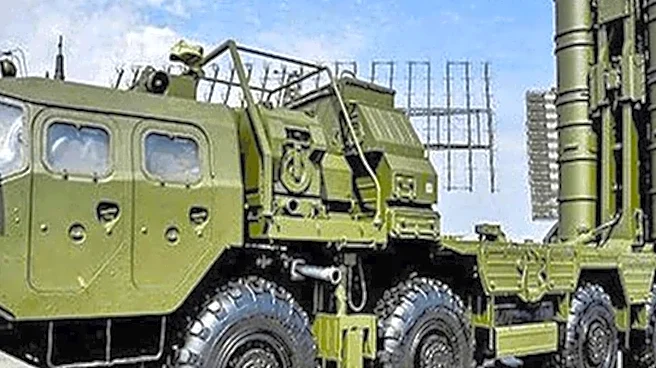
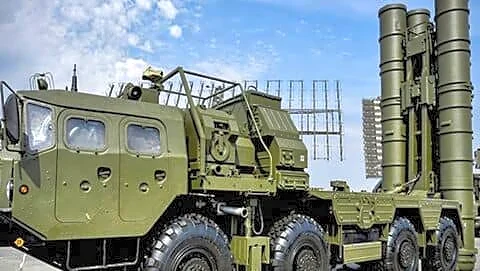
air defence shield has received another major boost with the arrival of the fourth Russian-made S-400 "Sudarshan" squadron, a system designed to detect, track and engage enemy aircraft, drones, cruise missiles and ballistic missiles hundreds of kilometres away.According to defence sources, the new regiment recently arrived by sea and is expected to be deployed in an operational sector shortly. It forms part of the $5.43 billion agreement signed with Russia in 2018 for five S-400 regimental systems. While the delivery itself is significant, the bigger story is how the S-400 is becoming one layer of a much larger Indian air defence architecture that aims to counter simultaneous threats from both China and Pakistan.
Lessons From Operation Sindoor
Defence officials have highlighted the S-400's operational role during Operation Sindoor, where the system was reportedly integrated into India's wider air defence grid. Sources claim the platform contributed to long-range aerial surveillance and engagement operations, including the interception of a high-value Pakistani airborne surveillance asset at an exceptionally long range. While operational details remain classified, the episode has reinforced confidence in long-range integrated air defence systems. Modern warfare increasingly revolves around information dominance. Destroying or forcing back enemy airborne early-warning and surveillance platforms can significantly reduce an adversary's ability to coordinate air operations.
What Makes The S-400 So Powerful?
Often described as one of the world's most capable long-range surface-to-air missile systems, the S-400 can engage multiple targets simultaneously across different altitude bands. The system combines powerful surveillance radars with several missile types, allowing it to create a layered engagement envelope against:
- Fighter aircraft
- Strategic bombers
- Cruise missiles
- Ballistic missiles
- Unmanned aerial vehicles
Its long detection range allows commanders to track aerial threats well before they approach critical military installations or population centres. For India, this capability is particularly relevant given the growing use of drones, stand-off weapons and long-range precision strikes in recent conflicts.
Building The 'Sudarshan Chakra'
The S-400 is only one part of what defence planners increasingly describe as India's emerging "Sudarshan Chakra" air defence ecosystem. The concept involves linking multiple weapon systems through a common command-and-control network, creating overlapping layers of protection. Alongside the S-400, the architecture includes medium-range Barak-8 systems and the indigenous Project Kusha programme currently under development by DRDO. Project Kusha aims to provide India with a homegrown long-range interceptor capability, reducing dependence on foreign suppliers while strengthening strategic autonomy.
Russia-Ukraine War Delayed Deliveries
The arrival of the fourth squadron also signals that supply disruptions caused by the Russia-Ukraine conflict are gradually easing. The war had slowed deliveries under the original contract as Russian defence production shifted towards domestic wartime requirements. Defence officials now expect the fifth and final squadron under the existing agreement to arrive in the coming months. There are also indications that India may consider acquiring additional S-400 systems as it expands its layered missile shield.
Preparing For The Future Air Battle
The wars in Ukraine and the Middle East have demonstrated that modern battlefields are increasingly dominated by missiles, drones and long-range precision strikes. Rather than relying on a single weapon system, countries are investing in integrated air defence networks capable of countering multiple threats simultaneously.With the induction of the fourth S-400 squadron and parallel progress on indigenous programmes like Project Kusha, India appears to be moving steadily towards that objective—building a multi-layered shield designed to protect both its western and northern fronts.
/images/ppid_a911dc6a-image-178055284094579320.webp)


/images/ppid_59c68470-image-178050266252837930.webp)






/images/ppid_a911dc6a-image-178050083776054694.webp)

/images/ppid_59c68470-image-178028253263433528.webp)

/images/ppid_59c68470-image-178046253242552349.webp)
/images/ppid_59c68470-image-178048252783938195.webp)