India
is all set to face significant weather challenges this monsoon season as the Indian Meteorological Department (IMD) warned that several cities are at high risk from the impending super El Niño event. The forecast indicates that rainfall during the southwest monsoon, expected from June to September, will likely be below normal, reaching only 92 per cent of the Long Period Average (LPA).
How El Niño Will Impact Monsoon Rainfall?
El Niño is a climate phenomenon characterised by the warming of surface waters in the central and eastern Pacific Ocean, which disrupts weather patterns globally. In India, this event typically weakens monsoon winds, leading to reduced rainfall and heightened drought conditions. The IMD has raised concerns regarding the probability of deficient rainfall, which has surged to 35 per cent, significantly higher than the historical average of 16 per cent.
Which Indian Cities and Regions Are Most Vulnerable?
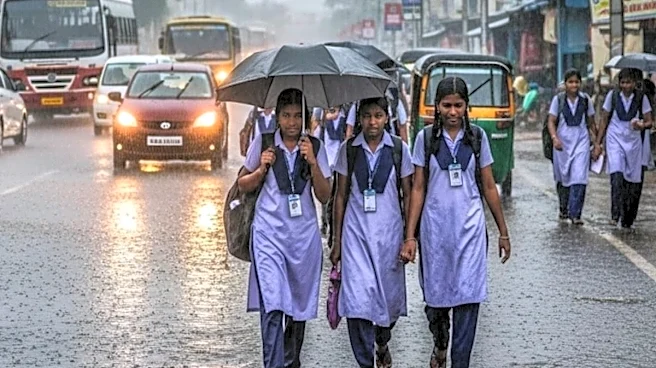
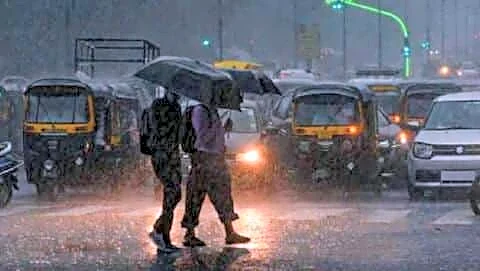
Cities in northern, western, and central India are expected to experience the most severe impacts. The states of Punjab, Haryana, and Rajasthan are particularly vulnerable, with expectations of significant rainfall shortages during August and September. Notably, these regions rely heavily on monsoon rains for agriculture, making them susceptible to drought and crop failures.Madhya Pradesh, encompassing cities such as Indore and Gwalior, is also likely to face below-normal rainfall, further exacerbating agricultural stress. In contrast, southern coastal regions, particularly Tamil Nadu and parts of Andhra Pradesh, may experience excessive rainfall, leading to flooding and urban waterlogging.
Earth Likely To Face Strong El Niño Effect
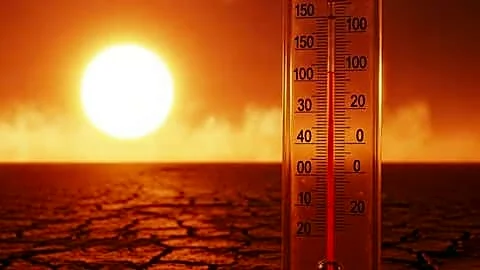
Climate researchers and experts have reportedly issued a warning that Earth could witness a strong El Niño effect, likely to be one of the biggest in the past few decades. These climate forecasts hint that the phenomenon may occur later this year and may bring changes in our weather conditions globally. This also includes rising temperatures, intense heat, and unusual rain showers in India.The data from the European Center for Medium-Range Weather Forecasts reveals that the planet could witness significant or even “super” El Niño changes. The forecast models indicate that ocean and atmospheric signals could begin to align by June, a major development for the phenomenon to take place. The El Niño occurs when the surface temperatures in the central and easter Pacific Ocean rise above usual.
/images/ppid_a911dc6a-image-177887063529150277.webp)










/images/imfZ6nBC-image-177882527593029980.webp)

/images/ppid_a911dc6a-image-177883949765126563.webp)