/images/ppid_a911dc6a-image-177564151496553738.webp)

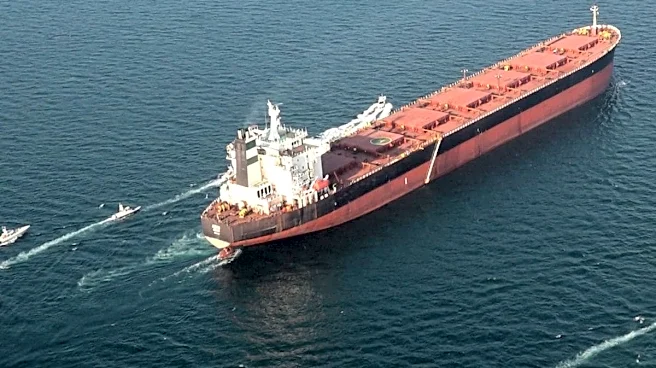


New Delhi: The two-week ceasefire between the US and Iran, announced on April 7-8 has given the world its first real exhale since February 28, when the US-Israel forces launched Operation Epic Fury. Iran has agreed to allow safe passage through the Strait of Hormuz via coordination with its armed forces — the same Strait whose closure triggered the worst cooking gas crisis India has seen in decades.The question most people in India's ‘bastis’, ‘chawls’, and rented rooms are asking is simple: when does my cylinder come back?The honest answer is: Not immediately.Also Read - The LPG Gas Cylinder Election: How Iran War Could Swing Poll Results in 5 StatesThe Strait reopening is conditional and controlled, not unconditional. Iran's 10-point ceasefire framework
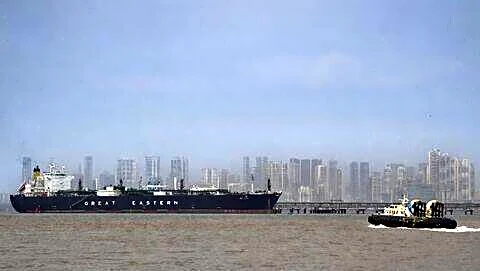
includes a "controlled passage protocol" coordinated through Iran's armed forces – meaning Tehran retains a hand over who moves through and when. That is not the same as a free, open waterway.Even before the ceasefire, India had been moving carefully. Eight Indian-flagged LPG carriers have now crossed the Strait, with vessels loading LPG stranded in the Gulf being prioritised to ease supply constraints. An LPG vessel, Sea Bird, carrying around 44,000 metric tonnes of Iranian LPG, berthed at Mangaluru on April 2 and is currently discharging, as per the Business Standard report. The Ministry of Petroleum confirmed that Indian refiners have resumed purchasing crude oil and LPG from Iran under a 30-day US waiver.These are meaningful steps. But they are drops against a structural deficit. India's domestic LPG production covers only 40 per cent of national consumption. The remaining 60 per cent is imported, with 90 per cent of those imports normally routed through Hormuz, as per OilPrice.com. A pipeline that was blocked for 39 days does not refill in a week.Even with domestic refinery output boosted by 25 per cent under emergency powers, India's total LPG availability was running at roughly 56 units against a normal 100 – before emergency imports and demand compression are factored in, as per ORF Online. The math has improved since tankers began moving again. It has not yet returned to normal.The ceasefire is for two weeks. If talks hold and the Strait of Hormuz stays open, industry estimates suggest a gradual stabilisation of household LPG supply over three to six weeks, with black market activity receding as agency inventories rebuild. If talks collapse and hostilities resume — the ceasefire itself says it is not a permanent cessation — the crisis returns harder.On April 7, the Petroleum and Natural Gas Ministry also doubled the daily allocation of 5kg Free Trade LPG cylinders for migrant labourers in each state to ensure better access and uninterrupted fuel availability amid the ongoing crisis.For now, the ‘chulha’ has a chance of lighting again. Whether it stays lit depends on diplomats in Islamabad, not just tankers in the Gulf.
/images/ppid_a911dc6a-image-177552963554321784.webp)

/images/ppid_a911dc6a-image-177563104006310746.webp)
/images/ppid_a911dc6a-image-177563623418111594.webp)
/images/ppid_59c68470-image-177559003443813889.webp)