Iran's
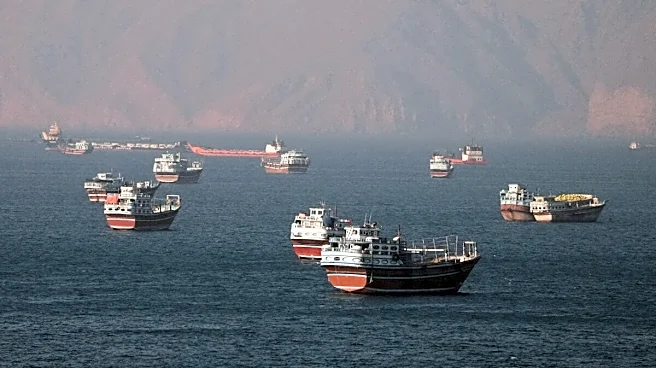
newly formed Persian Gulf Strait Authority (PGSA) has issued fresh rules for vessels seeking to pass through the strategic Strait of Hormuz. The new Iranian authority is charged with overseeing the Strait of Hormuz and has asked ships to register with it, even as transits are free.
What The New Rules Suggest
"In light of the signing of the Islamabad Memorandum of Understanding and the issuance of instructions by the relevant authorities, applicants for passage through the Strait of Hormuz are hereby informed that, during the announced time period, passage will be granted to vessels that submit their passage requests in compliance with the necessary requirements. Conditions and request submission at http://PGSA.ir," the PGSA said in a notice posted on social media platform X (formerly Twitter). The Iranian body said that the only official channels for processing passing requests are its websites and the email address, and has released a form that the vessels need to fill. The form seeks extensive information from vessels, including regular details like name, flag, IMO number, type, dead weight capacity, draft, cargo type, registered owner, ship management firm, and contact details. Also, the vessels seeking to pass through the Strait of Hormuz need to fill the form at least 48 hours before reaching the area.
Iran said that it would not charge any fees to ships seeking passage through the Strait of Hormuz for 60 days, per the agreement signed with the US. Iran also said it will work on clearing mines from the strait, per the agreement.
The Status of the Strait of Hormuz
As per the latest reports, Commercial shipping traffic through the Strait of Hormuz has
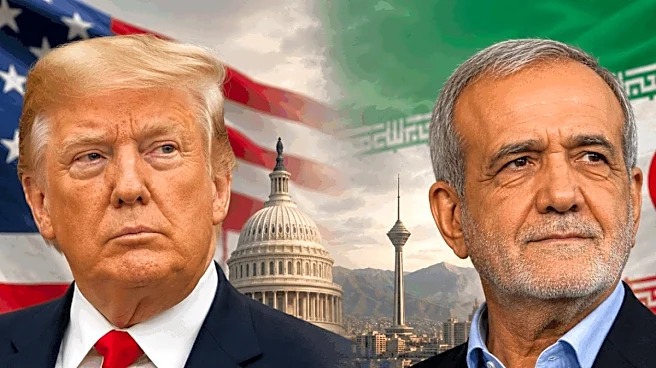
risen to its highest level in two months following the US-Iran agreement. A total of 25 commercial vessels crossed the strategically important waterway on Thursday, the highest daily figure since mid-April, according to data released by maritime tracking firm AXSMarine.The Strait of Hormuz, a narrow waterway connecting the Persian Gulf with the Gulf of Oman, handles roughly 20 per cent of global energy supplies in normal times. Shipping through the waterway was severely disrupted since February 28, when the US and Israel launched joint attacks on Iran. It was reopened after a Memorandum of Understanding, signed by US President Donald Trump and his Iranian counterpart Masoud Pezeshkian to end the war, came into effect.
/images/ppid_a911dc6a-image-178192305182616030.webp)

/images/ppid_59c68470-image-178171503978412104.webp)






/images/ppid_59c68470-image-178181006956866613.webp)

/images/ppid_a911dc6a-image-17818451507423305.webp)
/images/ppid_59c68470-image-178183252644175510.webp)
/images/ppid_59c68470-image-178179010358222418.webp)

/images/ppid_a911dc6a-image-178185807874195549.webp)