India’s
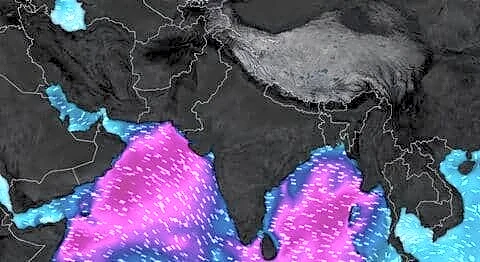
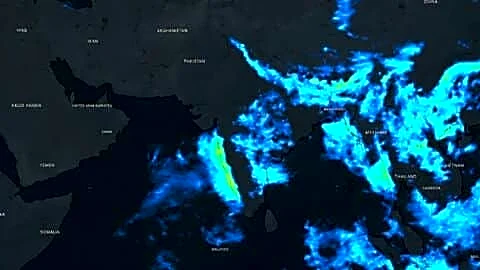
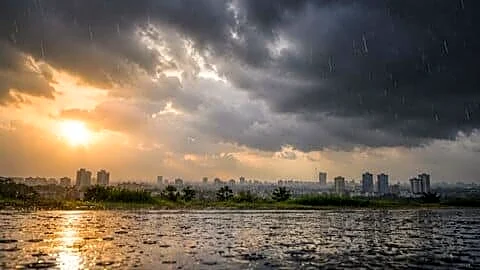
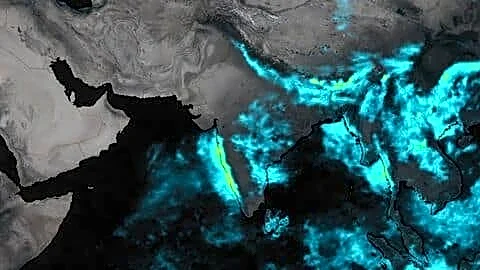
peak monsoon month is set to disappoint this year. The India Meteorological Department (IMD) on Tuesday forecast below-normal rainfall for July 2026, warning that the country’s monthly average could fall below 94% of the Long Period Average (LPA), signalling a potential water stress crisis across large parts of the country.
What the Numbers Mean
July is historically India’s wettest monsoon month, with an LPA of 280.4 mm based on data from 1971–2020. A forecast below 94% of this figure means the country could receive well under 264 mm, a significant shortfall during the most critical irrigation and farming window of the year. The month of June has already ended with a 40% rainfall deficit nationwide, and the monsoon arrived nearly 10 days late in central and northwest India, compounding agricultural concerns.
Heat to Compound the Crisis
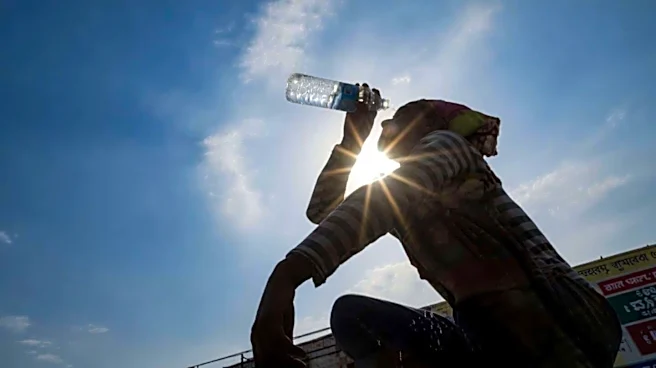
Adding to the strain, IMD has forecast above-normal maximum and minimum temperatures across most parts of India throughout July. Only a few isolated pockets in West-Central India may experience normal to below-normal maximum temperatures, while some areas of Central and Northeast India may see normal minimum temperatures. IMD has additionally issued a heat and high humidity advisory for the coming week, warning of compounded discomfort amid low rainfall.
Delhi-NCR Monsoon Watch
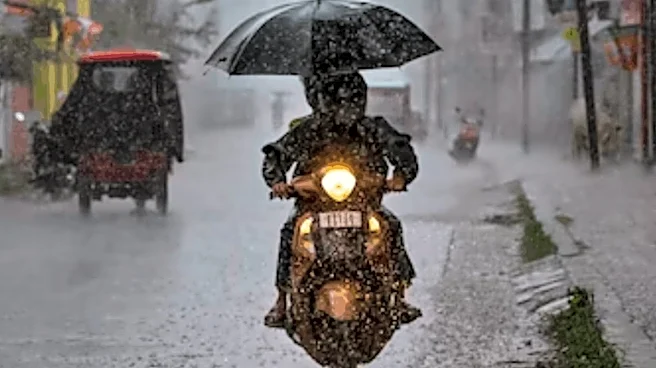
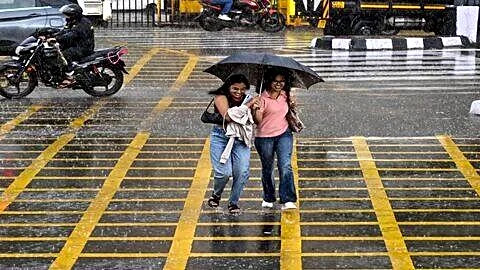
For the national capital region, some relief is near. The monsoon is expected to reach Delhi-NCR within the next 2 to 3 days, albeit delayed from its normal June 27 onset date. The arrival, however, may not bring the prolonged rains the region needs, given the broader below-normal outlook for the month.
El Niño Impact
The IMD attributes this year’s rainfall deficit outlook to developing El Niño conditions over the equatorial Pacific Ocean. Both the Monsoon Mission Climate Forecast System (MMCFS) and other global climate models indicate that weak El Niño conditions, currently prevailing, are likely to strengthen further during the Southwest Monsoon season. Meanwhile, the Indian Ocean Dipole (IOD) remains neutral and is expected to stay that way through the monsoon season, offering no compensatory boost to rainfall.
What Farmers and Planners Should Do
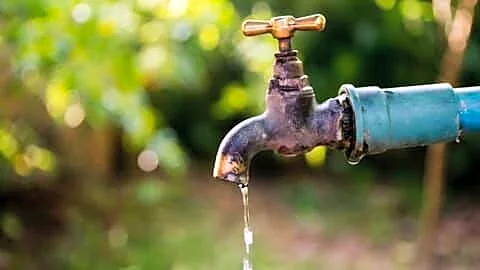
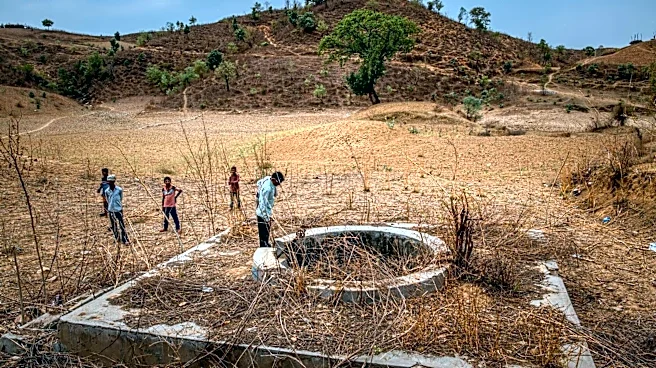
IMD has flagged serious downstream risks from the deficit. Below-normal rainfall can significantly impact agriculture, hydropower, drinking water availability, and ecosystem sustainability. The department has advised farmers and agriculture planners to consider shifting to less water-intensive crops and to undertake water conservation and efficient resource management. IMD’s agro-meteorological advisory services and district-level forecasts remain available to guide farming decisions through the season.
/images/ppid_a911dc6a-image-178284089513813757.webp)





/images/ppid_59c68470-image-178280753559875897.webp)