/images/ppid_a911dc6a-image-178369362791023005.webp)





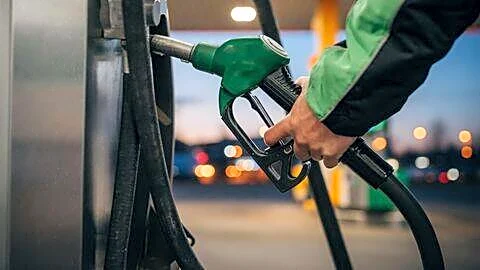
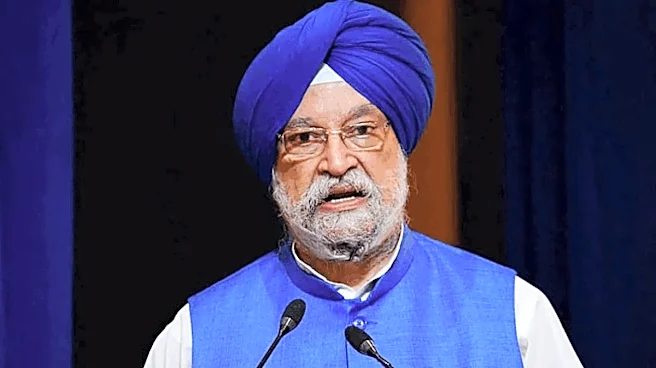
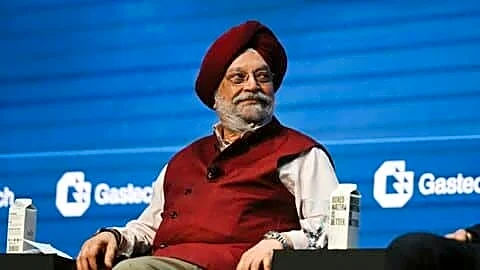
Union Petroleum and Natural Gas Minister Hardeep Singh Puri on Friday defended India’s ethanol blending programme, saying it has significantly reduced the country’s dependence on crude oil imports while dismissing criticism of E20 fuel as "rent-a-cause". Puri's remarks came amid criticism of the mandate for E20 petrol (20 per cent ethanol-blended) sales and widespread complaints about reduced fuel efficiency of vehicles. While speaking exclusively with Times Now, Union Minister Hardeep Singh Puri said that without ethanol blending, India would have had to import nearly 309.98 lakh metric tonnes of additional crude oil. Puri described the Ethanol Blending policy as a key pillar to India's energy security strategy, pointing out that early automobiles
developed by Henry Ford ran on ethanol and countries like Brazil have long relied on high ethanol blends.
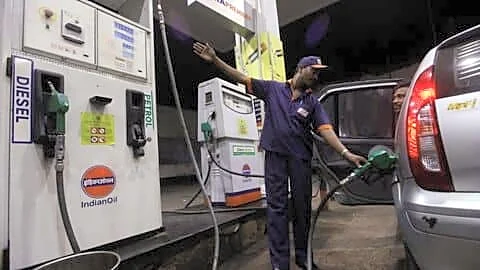
"Ethanol blending isn't new. Henry Ford's early automobiles ran on ethanol. Countries like Brazil have used high ethanol blends for decades," Union Minister Hardeep Singh Puri said. Addressing concerns around E20 fuel, the minister said he does not believe there is widespread public resistance. “What we are witnessing is what I call 'rent-a-cause'. People jump onto trending issues without fully understanding them,” he said. Earlier today, the Oil Ministry, in a detailed question-and-answer document issued to counter criticism of the Ethanol Blended Petrol Programme, said that petrol blended with 20 per cent ethanol (E20) can reduce fuel economy by 3-5 per cent in some vehicles, however, the impact is outweighed by benefits, including a higher octane rating, superior anti-knock characteristics, faster combustion, better pickup, smoother acceleration, cleaner engine operation, and lower lifecycle carbon emissions.India's ethanol blending initiative dates back to pilot projects launched in 2001, with 5 per cent blending introduced in parts of the country by 2006, it said. It also cited feedback from automobile manufacturers, including Maruti Suzuki and Hero MotoCorp, saying they had not reported E20-related corrosion, abnormal wear or component-life damage in vehicles serviced under real-world conditions./images/ppid_a911dc6a-image-178366242402530893.webp)
/images/ppid_a911dc6a-image-17836495003888377.webp)