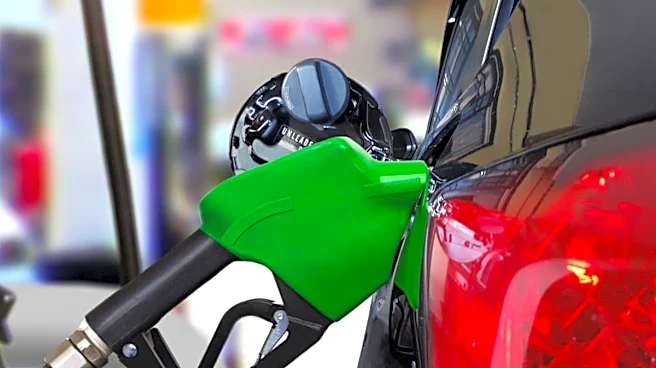
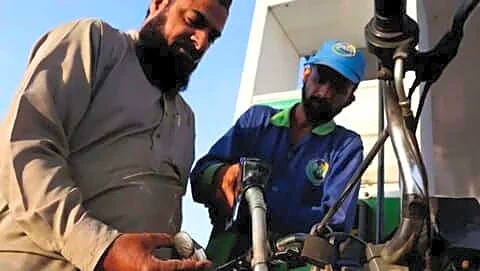
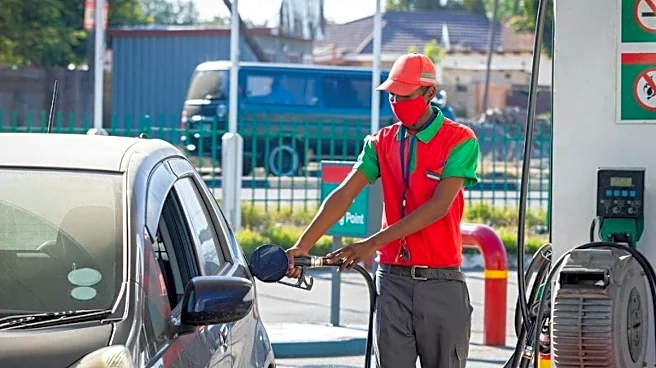
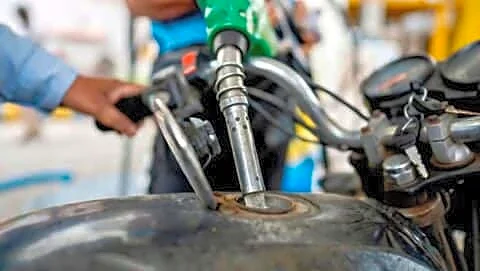
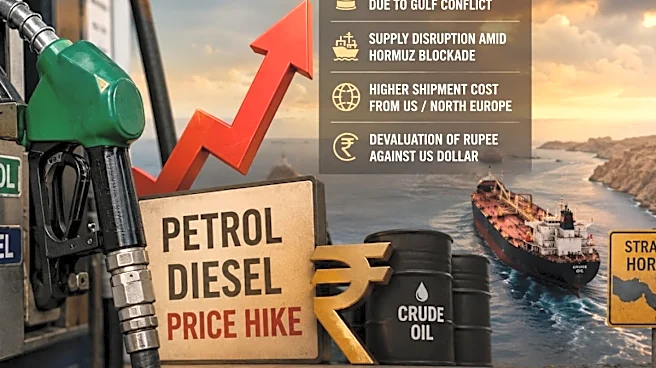
New Delhi: As global crude prices surged following disruptions in the Strait of Hormuz due to the Iran war, countries across the world responded with steep fuel price hikes, emergency rationing, or subsidy cuts. India, however, took a slower and more controlled approach.While petrol and diesel prices in India were finally raised by Rs 3 per litre on May 15 - the first revision in nearly four years - the increase remains among the smallest seen globally.Also Read - Petrol, Diesel Prices Hiked By Rs 3 Per Litre: Check New Prices In Your CityIndia imports nearly 80-85 per cent of its crude oil requirement, making it highly vulnerable to global price shocks. Yet, instead of immediately passing on the burden to consumers, public sector oil companies
reportedly absorbed heavy losses for around 76 days even as crude prices crossed $100 per barrel.Government sources said this was a deliberate strategy aimed at protecting consumers, especially lower-income groups, from a sudden inflation shock.
How Other Countries Responded
Several countries moved quickly to align domestic fuel prices with global crude prices.
- In parts of Europe, fuel prices reportedly rose by 20-30 per cent within weeks as governments reduced subsidies and allowed market-linked pricing.
- Countries in Africa and South Asia, facing currency pressure and rising import costs, implemented sharp increases ranging between 40 and 90 per cent.
- Some nations introduced fuel rationing, restricted fuel sales, or reduced public subsidies to manage supply disruptions.
- Around 82 countries are estimated to have imposed some form of emergency energy restrictions or price correction measures.
India avoided such measures.Instead of rationing or allowing a steep pass-through, the Centre and oil companies absorbed under-recoveries that officials estimate touched nearly Rs 1,000 crore per day.
India’s Limited Fuel Price Hike
Officials estimate that petrol under-recovery had reached nearly Rs 26 per litre, while diesel under-recovery stood at around Rs 82 per litre before the May 15 revision.Despite that, the actual increase was capped at Rs 3 per litre - roughly a 3-3.5 per cent rise on a base price of about Rs 95 per litre.As per estimates, a full pass-through of international prices could have required fuel price hikes of “200-300 per cent”.The Centre also highlighted that it had previously reduced excise duty by Rs 8 on petrol and Rs 6 on diesel to cushion consumers from global volatility.
Why India Chose A Different Path
Experts highlight that fuel demand in India is “price inelastic”, meaning people cannot easily reduce consumption even if prices rise sharply.Farmers depend on diesel pumps for irrigation. Truck operators rely on fuel for transport. Auto and taxi drivers need fuel to earn daily income.A sudden large hike, officials believe, would have disproportionately affected the bottom 20 per cent of the population.India’s annual crude oil import bill is already estimated at Rs 12-15 lakh crore. At the same time, gold imports have surged to nearly Rs 6 lakh crore, creating what officials described as a “massive twin drain” on foreign exchange reserves.Shipping costs through the Strait of Hormuz have also reportedly climbed sharply, touching nearly $2 million per voyage.Even with these pressures, India delayed fuel price hikes for over two months, unlike many economies that revised prices within days or weeks.
/images/ppid_a911dc6a-image-177883686621376243.webp)


/images/ppid_a911dc6a-image-177866786671453268.webp)


/images/ppid_a911dc6a-image-177881869827450930.webp)