/images/ppid_a911dc6a-image-178359222388241813.webp)

/images/ppid_a911dc6a-image-178357662415868971.webp)
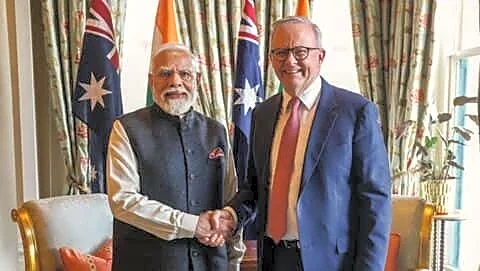



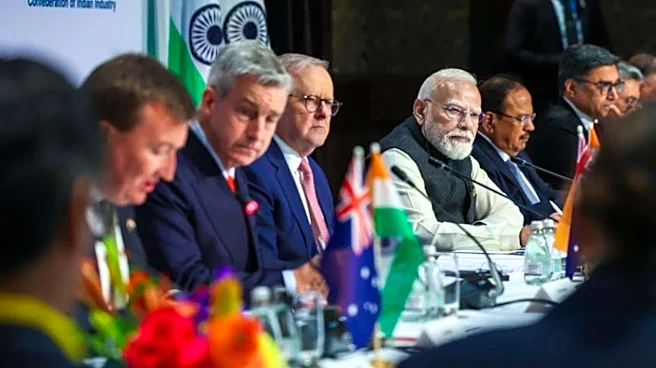
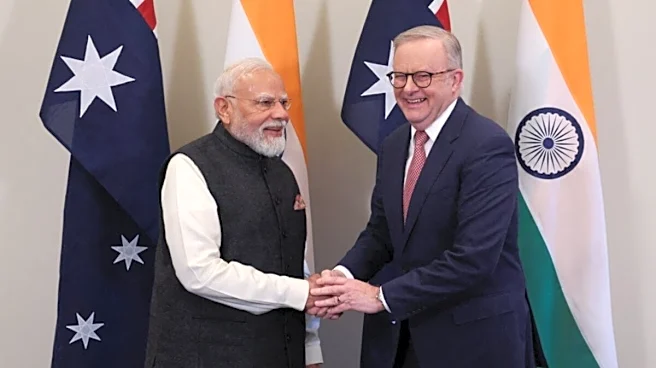
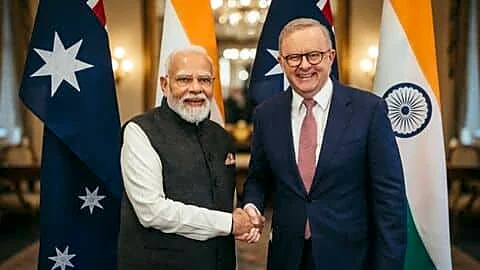
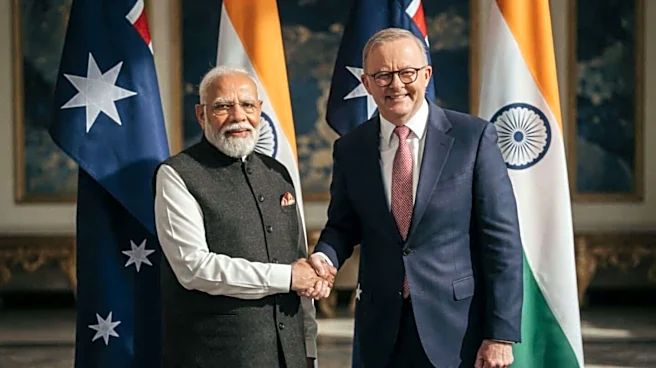
Prime Minister Narendra Modi's visit to Australia culminated in one of the most significant milestones in bilateral ties between the two countries: a long-awaited agreement that will enable Australia to supply uranium for India's civilian nuclear energy programme.Following the announcement, PM Modi described the pact as an "important agreement and said that the Australian uranium would provide "fresh momentum" to India's clean energy ambitions."We have signed an important agreement today on nuclear energy," PM Modi said after talks with his Australian counterpart Anthony Albanese. "This will pave the way for uranium supplies from Australia to India and give our clean energy objectives fresh momentum." Australian Prime Minister Anthony Albanese echoed
the sentiment, stating that the arrangement would support India's efforts to expand its non-fossil fuel energy capacity. Under the agreement, all uranium exports will remain subject to International Atomic Energy Agency (IAEA) safeguards and will be used exclusively for peaceful civilian purposes.While the pact may appear to be a routine energy agreement, its strategic significance for India extends far beyond just fuel supplies as the deal is expected to play a pivotal role in New Delhi's long-term plan to significantly scale up its nuclear power capacity over the next two decades. However, with this, an important question arises: why does India need more uranium?

/images/ppid_a911dc6a-image-178356365858636450.webp)