/images/ppid_a911dc6a-image-178290322043819889.webp)







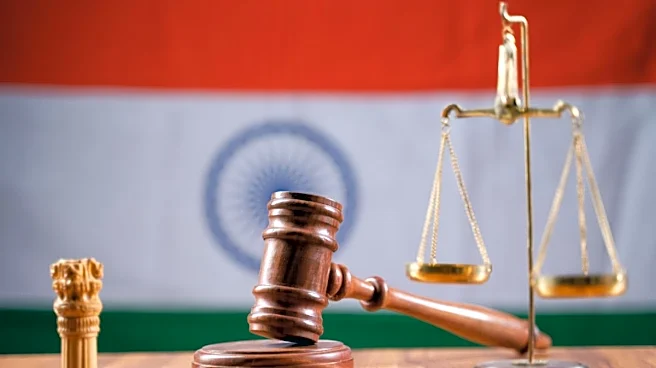
New Delhi: Haryana, Goa, Assam, Chandigarh and Punjab have emerged as the five best-performing states and Union territories in the country in implementing the three new criminal laws that came into force two years ago, officials said.The performance of each state is adjudged on the basis of scores across four parameters– administrative reforms, operational efficiency, information and communication technology (ICT) application, and integration, they said. The weightage of these parameters varies with regular revisions and changes being made, the officials said.The three new criminal laws– Bharatiya Nyaya Sanhita, 2023; Bharatiya Nagarik Suraksha Sanhita, 2023; and Bharatiya Sakshya Adhiniyam, 2023– which replaced the British-era criminal laws,
were implemented on July 1, 2024, marking a watershed moment in the country’s criminal jurisprudence. The new laws aim to complete the process from FIR to a Supreme Court decision within three years, officials said.The laws envisage a common platform, the Interoperable Criminal Justice System (ICJS), which enables “seamless interoperability” among all five main pillars of criminal justice — police, courts, jails, forensics, and prosecution — to achieve a fast-paced criminal justice system.As many as 23 states and UTs have fully integrated into the new version of ICJS 2.0.. Haryana, Goa, Assam, Chandigarh, and Punjab have emerged as the best performers in these categories, the officials said, asserting that most states are above the national average.States like West Bengal and Tamil Nadu also reported progress in implementing the provisions of the new laws, they said. The officials cited one of the oldest jails in the country–the Presidency prison using video conferencing facilities as mandated under the new criminal laws.According to the data provided by the Union Home Ministry, 39.56 per cent of chargesheets were filed within the 90-day mandatory deadline under the new criminal laws in 2024, which has spiralled to 60.96 per cent in 2026. Similarly, the share of chargesheets with mandatory 60-day deadlines rose from 50.92 per cent in 2024 to 67.26 per cent in 2026.According to the data, 44 per cent of chargesheets in sexual offence cases were filed within the mandatory two-month period, which has risen to 75.16 per cent in 2025. During the last two years, 74.66 lakh FIRs have been registered under the BNS, while 63,572 zero FIRs have also been registered.Police across the country generated 46.50 lakh evidence IDs using the e-Sakshya application. Also, eight new Central Forensic Science Laboratories have been sanctioned, bringing the total to 15.



/images/ppid_a911dc6a-image-178281486710745172.webp)